



Achieve your Environmental Goals by Reducing Carbon Footprint
Energy usage and general manufacturing practices can significantly impact patient outcomes and the environment. This is driving pharmaceutical and medical technology companies to articulate corporate sustainability goals. Focusing on net zero manufacturing has other benefits, including quality control, improved energy efficiency, lower emissions and waste, and reduced water usage. Emerson’s broad automation and digitization technologies can help you achieve your environmental and sustainability goals.

Featured Solutions

Optimize Energy Usage to Decrease Your Carbon Footprint
Reach net zero goals by streamlining operations, improving productivity, and lowering energy use with industrial automation. Integrating advanced automation solutions, real-time analytics, and sophisticated control systems will improve operational performance and reduce your carbon footprint.
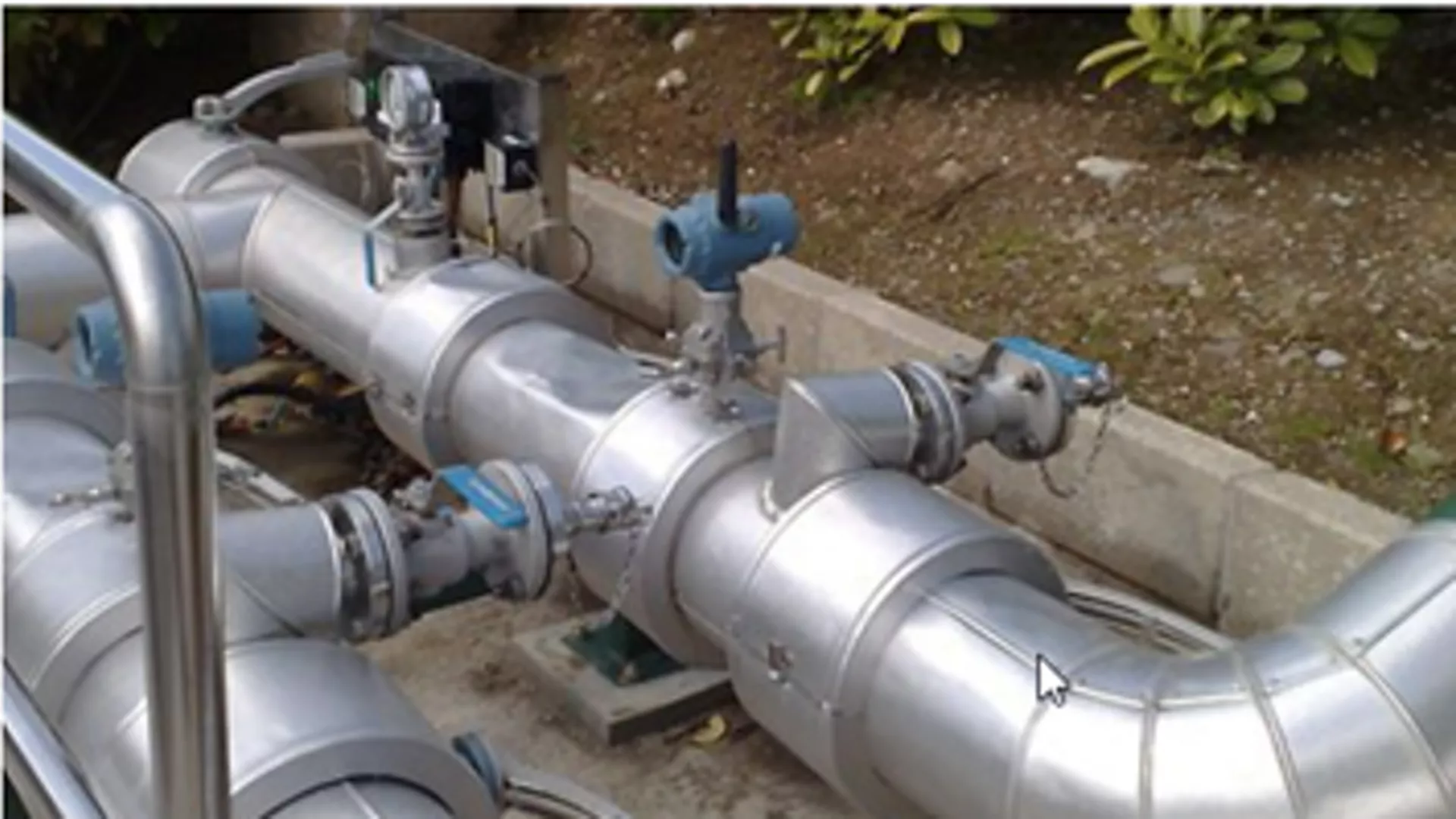

Improve Energy Efficiency by Predicting and Eliminating Energy Waste
Predict and reduce energy consumption with a systematic methodology and utility planning tools integrated within process simulation. With integrated energy analysis, companies can optimize utility costs and consume fewer fossil fuels.
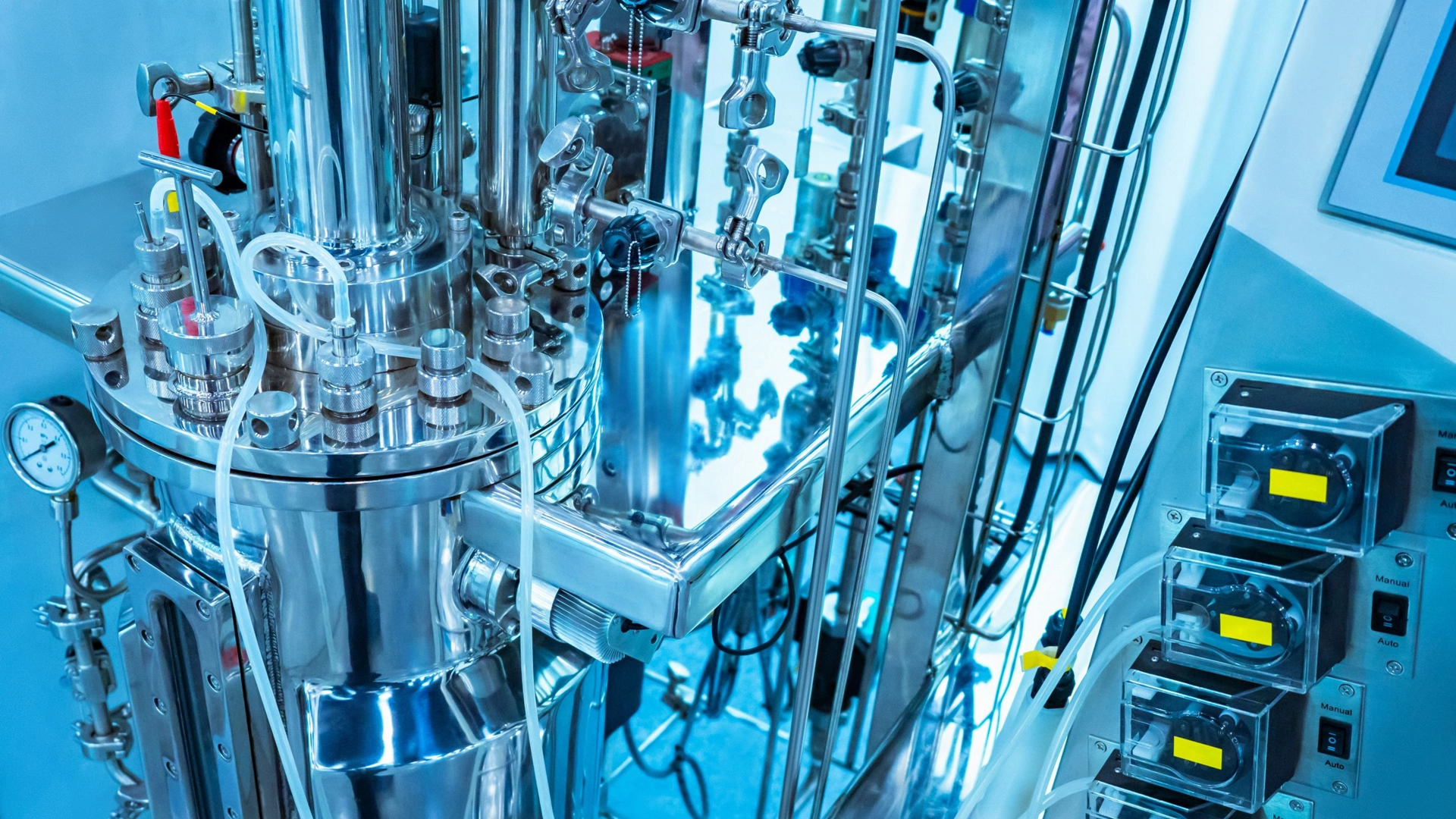

Harness Data for Optimal Process Enhancements
Visualize facility constraints, adapting to variability in real-time, optimizing production output, maximizing steam usage, and lowering energy consumption. Real-time scheduling reflects current production and automatically adjusts future production to optimize cleaning and sterilization processes and minimize delays, ensuring a smaller carbon footprint.
Explore More Solutions