

Optimize Production Equipment and Reduce Material Losses
DeltaV™ Manufacturing Execution System Drives Operational Certainty
Unlock higher productivity and streamlined operations in manufacturing with DeltaV’s cutting-edge MES solutions. Leveraging DeltaV MES, our approach enhances equipment management and accelerates batch record generation, specifically tailored for the Life Sciences sector, ensuring smoother, more efficient production processes.
Attain Reliable Equipment with Real-Time Monitoring
Improve Production Yields and Reduce Downtime
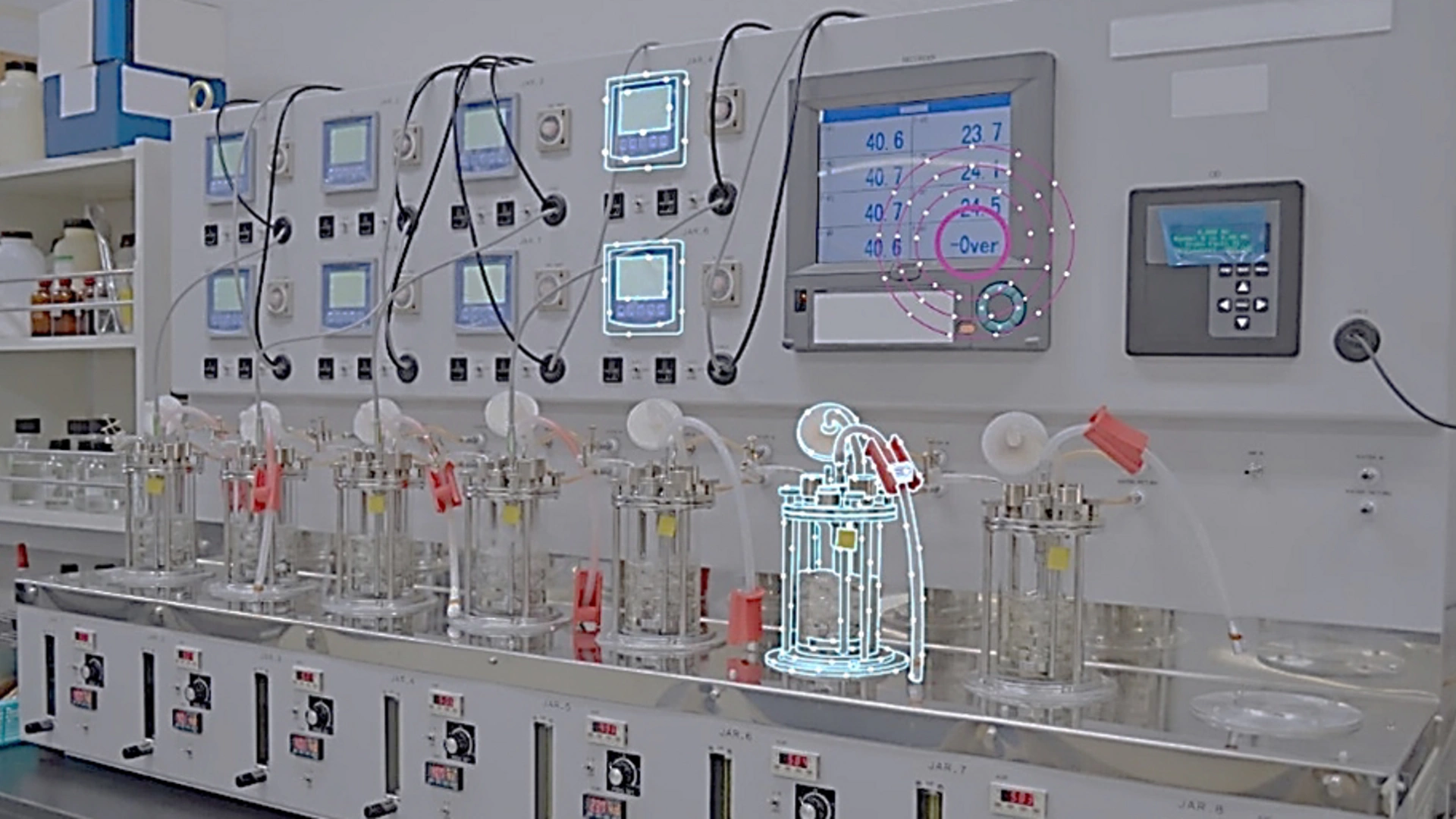
Unexpected equipment failures and breakdowns greatly impact production yields and, facility throughput. Real-time monitoring with intelligent devices, control systems and simulation modeling allows you to detect and fix problems before they become serious and costly. Being proactive will help you to optimize maintenance schedules, find patterns of failures, and perform device and system health monitoring.
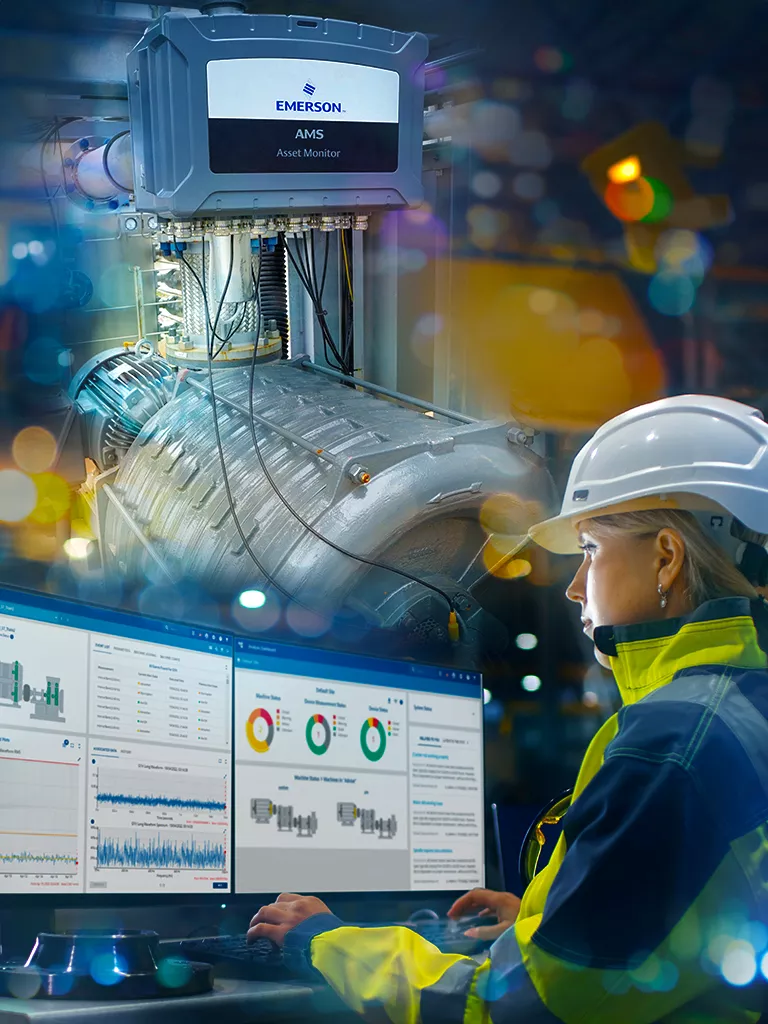
AMS Asset Monitor Edge Analytics
Continuously monitor assets to collect vibration and process data using web-based, native analysis and reporting software.
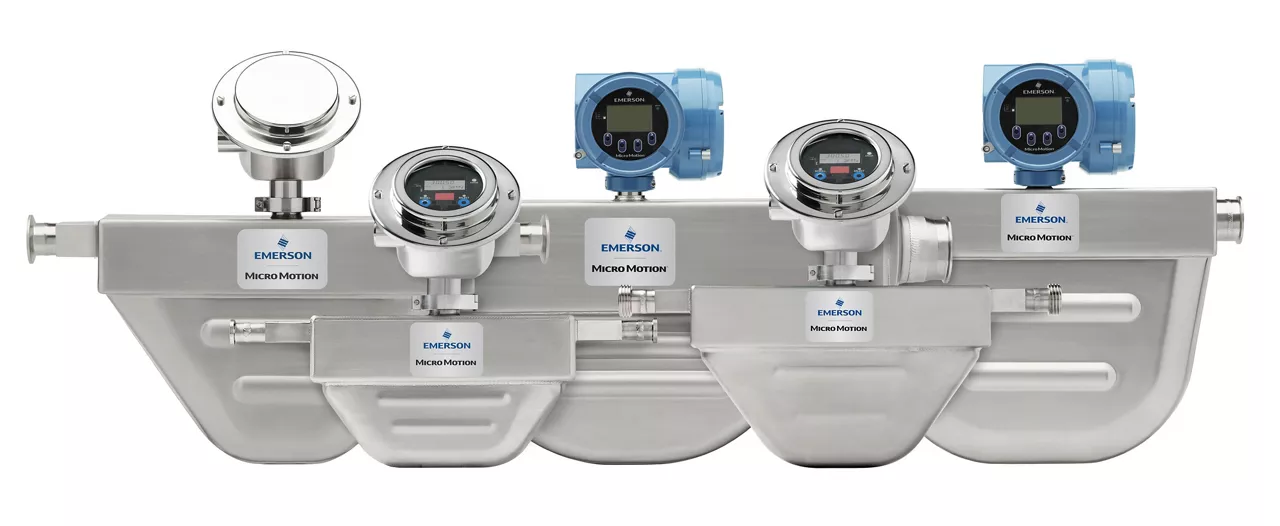
Micro Motion™ H-Series Hygienic Coriolis Flow and Density Meters
Enable faster product changeovers and ensure product consistency, all from a single, compact, and drainable instrument with a cleanable design.
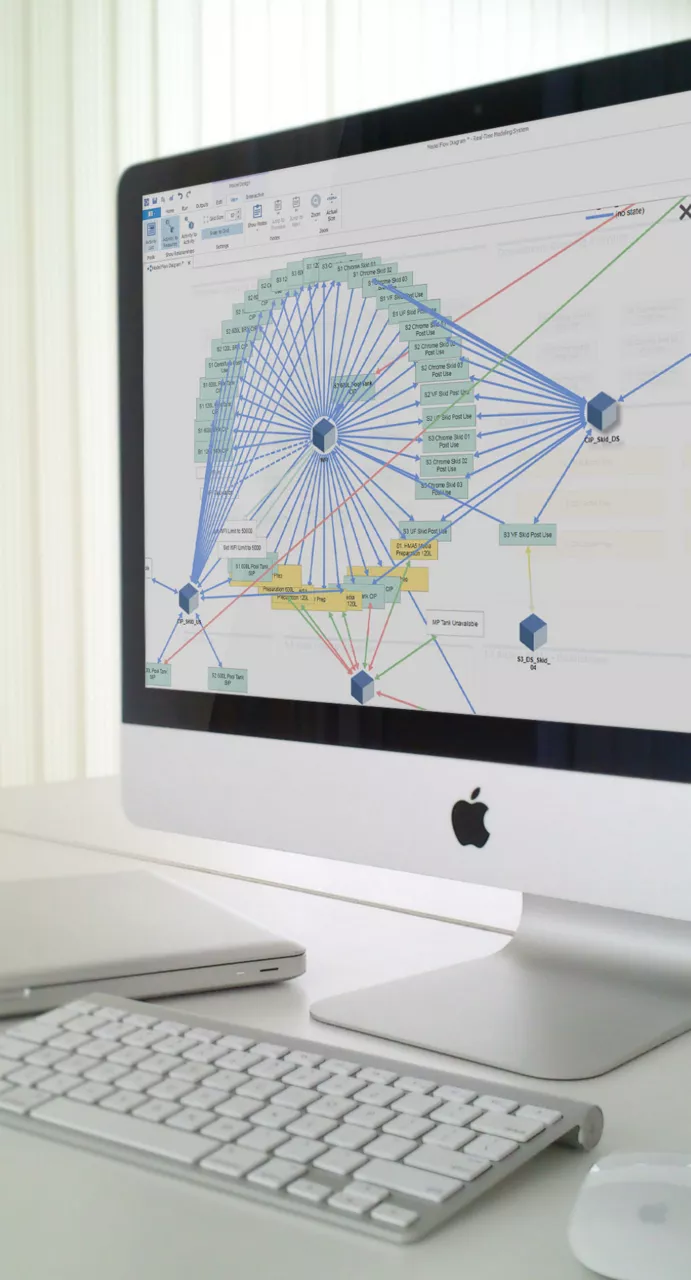
DeltaV™ Real-Time Scheduling
Model any facility, operation, or process to create always-feasible real-time scheduling, to detect bottlenecks and to predict maintenance.
Frequently Asked Questions About Meeting Production Schedules
Predictive maintenance is a strategy that uses data analytics to identify patterns and forecast equipment failures, allowing you to monitor and diagnose equipment issues in real time. This ensures optimal maintenance, lowered costs, and improved uptime.
Scheduled maintenance does not use analytics, and simply schedules a time to perform maintenance. This strategy has a couple of downsides. First, equipment may need maintenance before it is scheduled, so it could malfunction and shut down production, causing large maintenance costs and production disruption. Second, companies could be shutting down for maintenance, only to discover the equipment did not need maintenance, thus causing an unnecessary production shutdown.
Industrial software, such as DeltaV Predictive Maintenance, monitors the condition of equipment in real time, checking important health information and sending notifications to equipment operators when observed health parameters are outside of expected normal operating range. The software diagnoses and identifies health warnings before they escalate into problems – potentially leading to disruptions.
A real-time modeling system is software that can create and run real-time computer models of production facilities and equipment. The model can simulate behavior outcomes of the process as it happens in the real world. Emerson’s Real-Time Scheduling system can model any facility, operation, or process to always create feasible real-time scheduling, detect bottlenecks, and account for variability while also giving real-time visibility into the current state of production schedules and the ripple effects of any schedule changes.
There are many factors that can improve production performance, whether a manufacturing area, a production line, or an individual unit. The top five are:
- Identify bottlenecks of production processes: Limitations in production resources (equipment, operators, physical process limitations, etc.) affect the efficiency of production and cause restrictions. Facility-wide equipment management and integrated workflows can be used to ensure that organizations can adjust schedules based on real-time data. Emerson’s Real-Time Scheduling system effectively manages real-time adjustments to schedules to ensure always feasible scheduling and can be used to analyze bottlenecks and adjust schedules for process upsets.
- Implement a continuous improvement program: Regularly reviewing and improving the process ensures that it is operating at peak efficiency. With the right software, you can consistently improve production performance. For instance, Aspen ProMV creates early and accurate warnings for process health, providing insights to prevent off-spec production, maintain efficiency and rapidly optimize operations.
- Invest in employee training and development: Well-trained employees are more likely to be efficient and understand how to handle deviations. With Emerson’s DeltaV Mimic Foundation, accurate real-time simulation of how the plant behaves with true-to-plant graphics and controls, operators can learn how to manage challenges, minimizing errors on the job.
- Ensure equipment is properly maintained: Regular maintenance of equipment can help prevent breakdowns and ensure that equipment is operating at peak efficiency. And scheduling maintenance only when it is predicted to be needed saves time and costs. Having the right sensors and instruments on equipment that provide real-time data will indicate if and when there may be an issue before it becomes a problem. A solution such as AspenTech Mtell® predicts when maintenance is unavoidable and attaches a root cause analysis so the issue can be permanently resolved in an efficient manner.
- Implement a reliability measurement program: This involves regularly monitoring the production process to ensure products meet specified quality standards. Using wireless devices, such as the Rosemount Wireless Temperature Transmitter, the Rosemount Acoustic Transmitter, Plantweb Insight Applications and AMS Vibration Monitoring provide real-time actionable data about equipment so optimization can occur during production.
Explore More Solutions