

Hydropower Control and Optimization
Modern automation ensures safe and reliable power generation
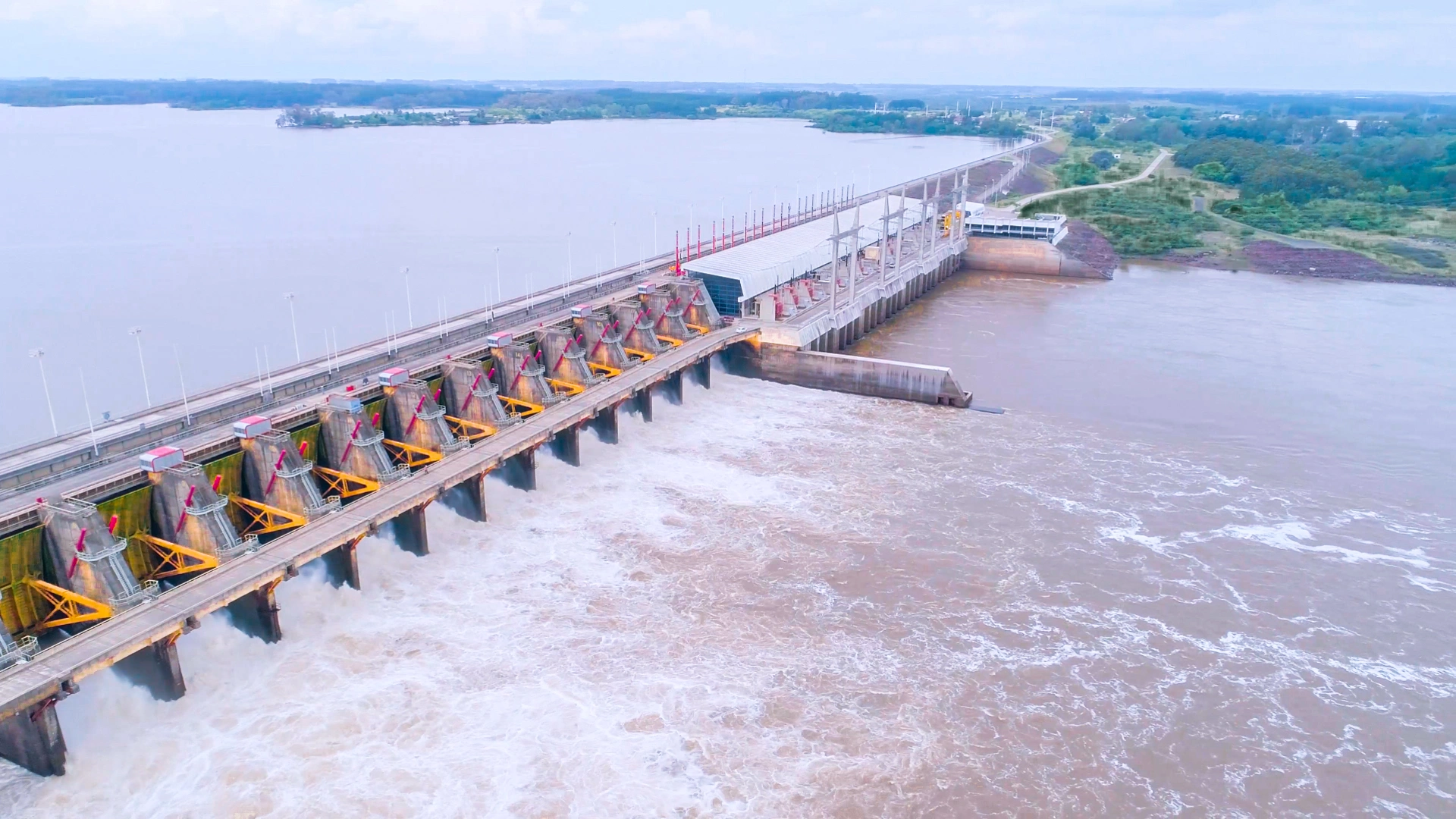
Today’s hydroelectric plants must maintain stable operation across a wide range of load conditions, integrate with evolving grid demands, and uphold cybersecurity and regulatory compliance. Scalable, digital control and monitoring solutions help operators improve water usage efficiency, extend asset life, and manage multiple generating units and sites from a single, unified interface.
Hydroelectric Solutions in Action
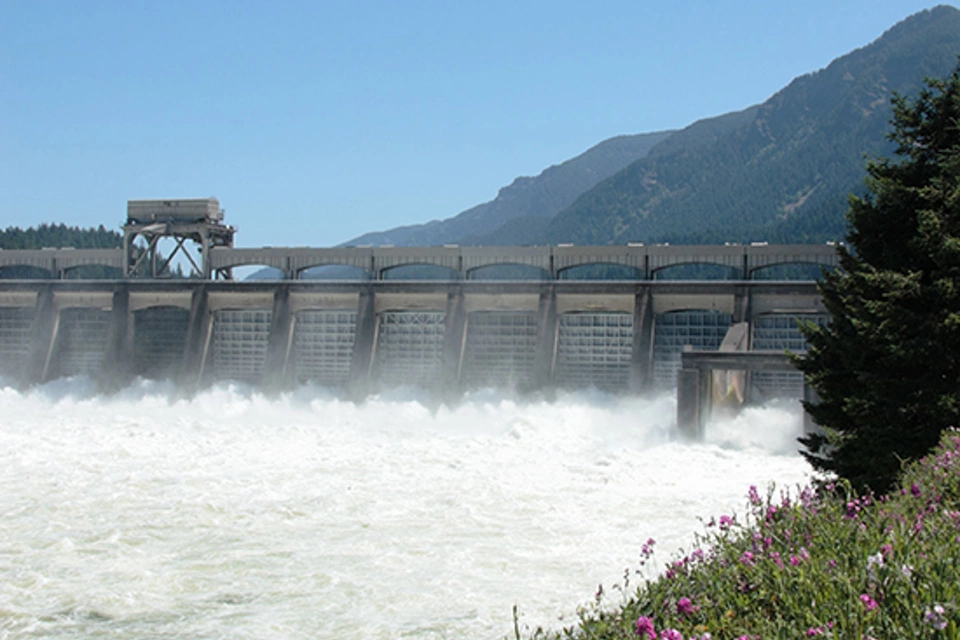
A modernized control solution can improve your ability to dispatch generated power, extend the life of your plant, and improve the plant’s reliability and availability. Through embedded applications for turbine control, pond control, energy management, equipment protection, and much more, advanced automation solutions ensure fewer shutdowns, faster startups, and more efficient plant operations.
Precision Speed and Output Regulation
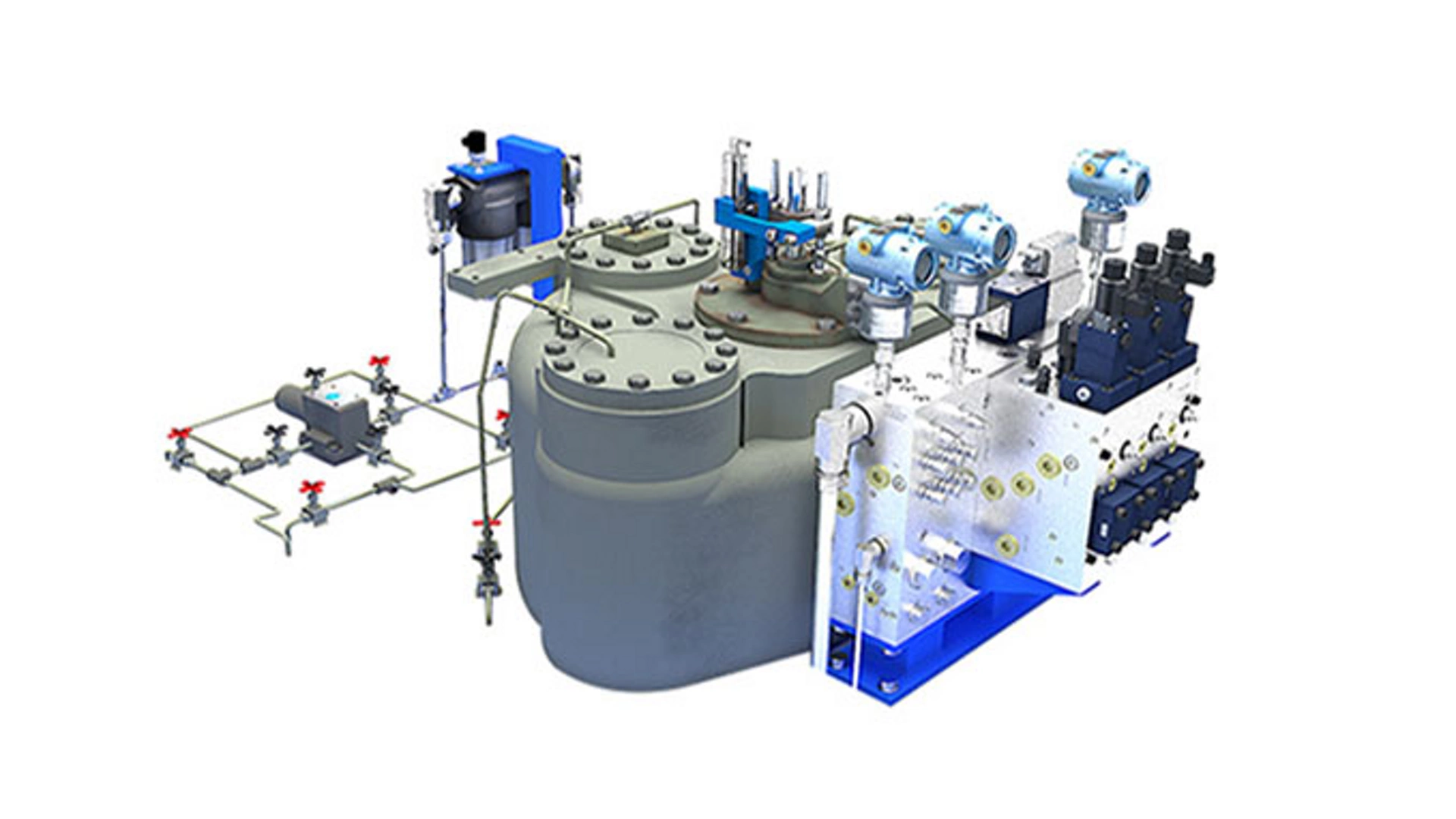
Emerson has extensive experience with mechanical, analog, and Ovation digital governor upgrades. These solutions provide hydro power plants with immediate, accurate response to megawatt setpoint and frequency disturbances.

Solution-Related Documents for Hydroelectric
Start exploring the collection to see how advanced automation and control technologies support reliable, future-ready hydro operations.


Frequently Asked Questions (FAQs)
Hydroelectric power remains one of the most reliable and efficient renewable energy sources worldwide. Explore key insights into hydroelectric generation, control strategies, environmental considerations, and how advanced technologies help optimize plant performance and sustainability.
Hydroelectric power converts the kinetic energy of flowing or falling water into electricity using turbines and generators.
The three primary types are impoundment (dam-based), diversion (run-of-river), and pumped storage hydroelectric plants. Each type requires different water control strategies.
Hydropower is renewable, reliable, and supports grid stability with fast response times and long operational life.
Modern control systems enhance turbine performance and efficiency, manage and optimize water usage, and reduce unplanned downtime through real-time monitoring, predictive analytics, and SCADA systems.
Hydropower is a clean energy source, though it can affect aquatic ecosystems and land use. Modern practices aim to reduce these impacts.
With proper maintenance, hydroelectric plants can operate for 50 to 100 years, making them a long-term renewable investment. Modern control technologies help extend operational life by addressing aging infrastructure through real-time monitoring, diagnostics, and system optimization.