


Our ammonia valve solutions help enhance efficiency, reduce emissions, and improve safety—supporting a lower environmental footprint and a critical step toward more sustainable operations.
Rethinking Energy: The Rise of Ammonia in the Transition to Renewable Energy
Ammonia holds immense potential as a clean energy source. Currently, its production consumes 1.8% of global energy and contributes significantly to emissions. However, by investing in advanced technologies, we can unlock its potential as a cleaner fuel, reducing our reliance on fossil fuels and paving the way for a more sustainable future.
of ammonia used for fertilizer production
of ammonia used for industrial products
Capacity growth required to 2050
of the chemical industry’s CO2 emissions
How do Valves Impact Operational Performance?

Safety
- Reliable valves reduce maintenance events
- Prohibit harmful fugitive emissions
- Prohibit dangerous steam leaks
- Protect personnel in emergency events

Production
- Reduce process variability
- Improve synthesis loop performance
- Achieve the highest possible CO2 capture rates
- Produce high purity ammonia

Reliability
- Lessen process excursions
- Optimize reformer performance
- Reduce process upsets and production losses caused by equipment failure
- Lessen unplanned repair costs

Emissions
- Achieve fugitive emissions compliance
- Reduce valuable product loss
- Minimize reprocessing due to contamination or inefficiencies
- Decrease compressor and pump workload with optimized valves.
Valve Solutions for Ammonia Producers
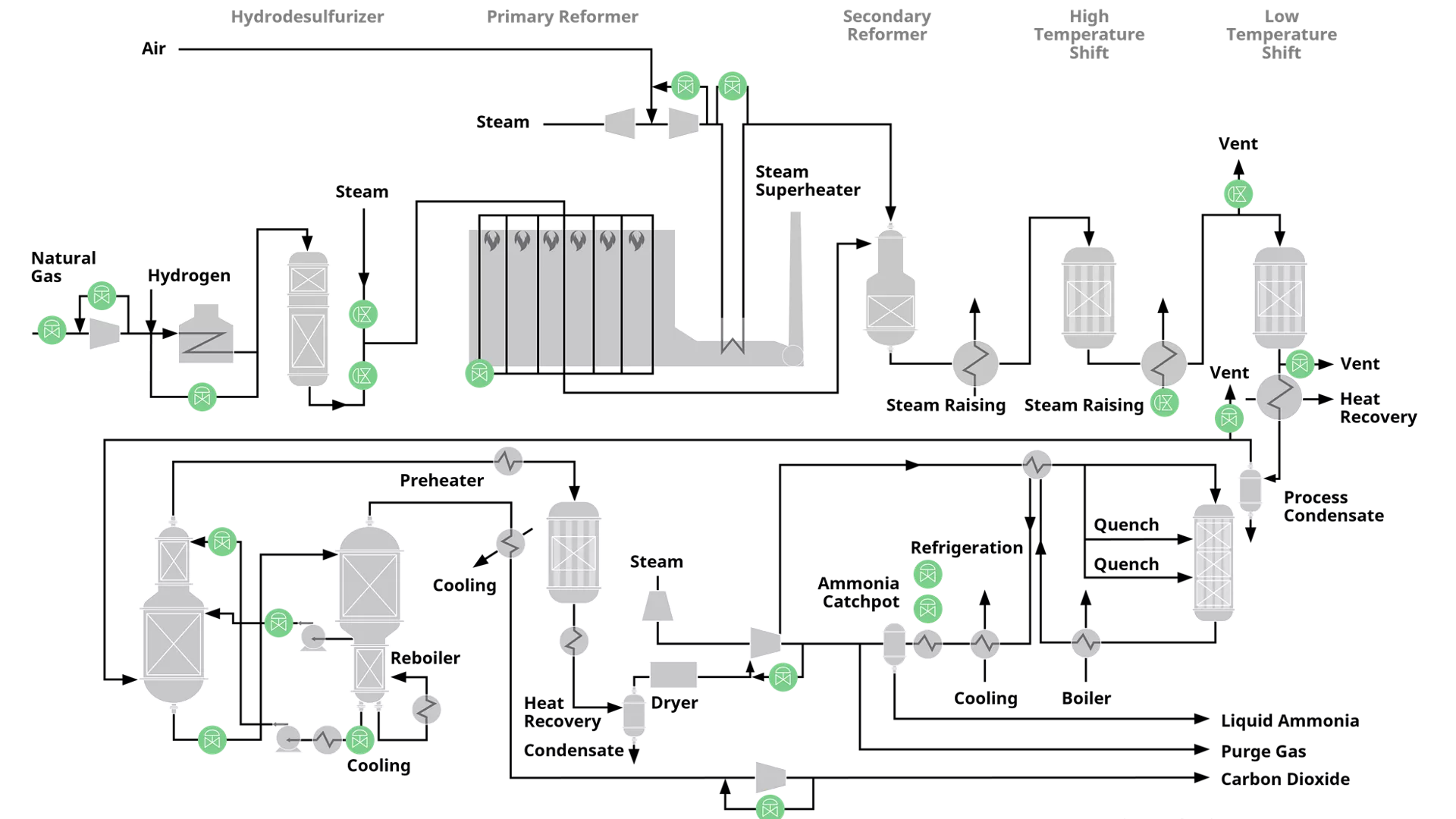
Ammonia Control Process Map
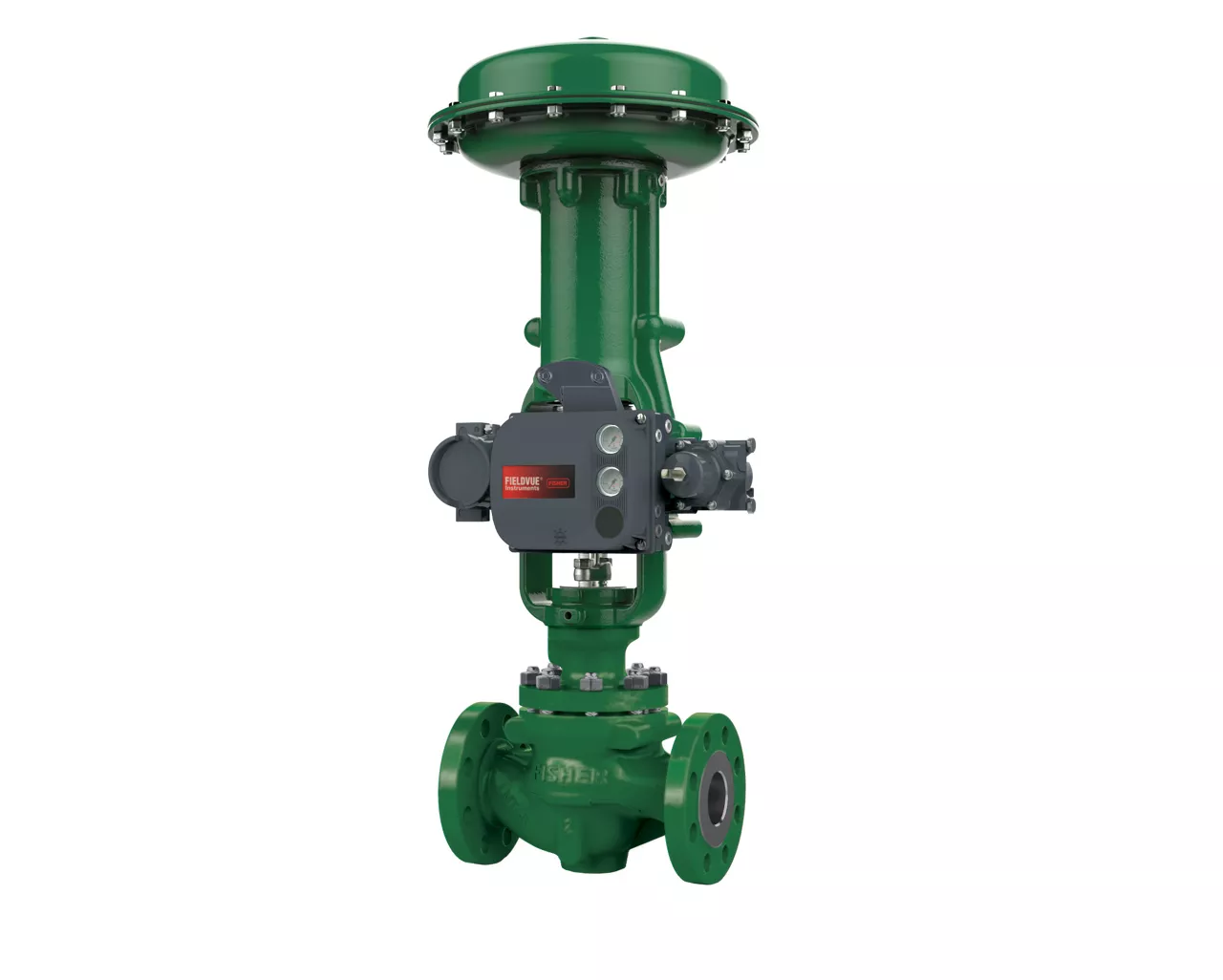
Fisher™ easy-e™ ET Control Valve
The Fisher easy-e ET valve is your solution for all general applications with high process temperatures, featuring a balanced plug design and cage-guided trim. Available in globe or angle body, these valves can provide up to Class V or VI shutoff.
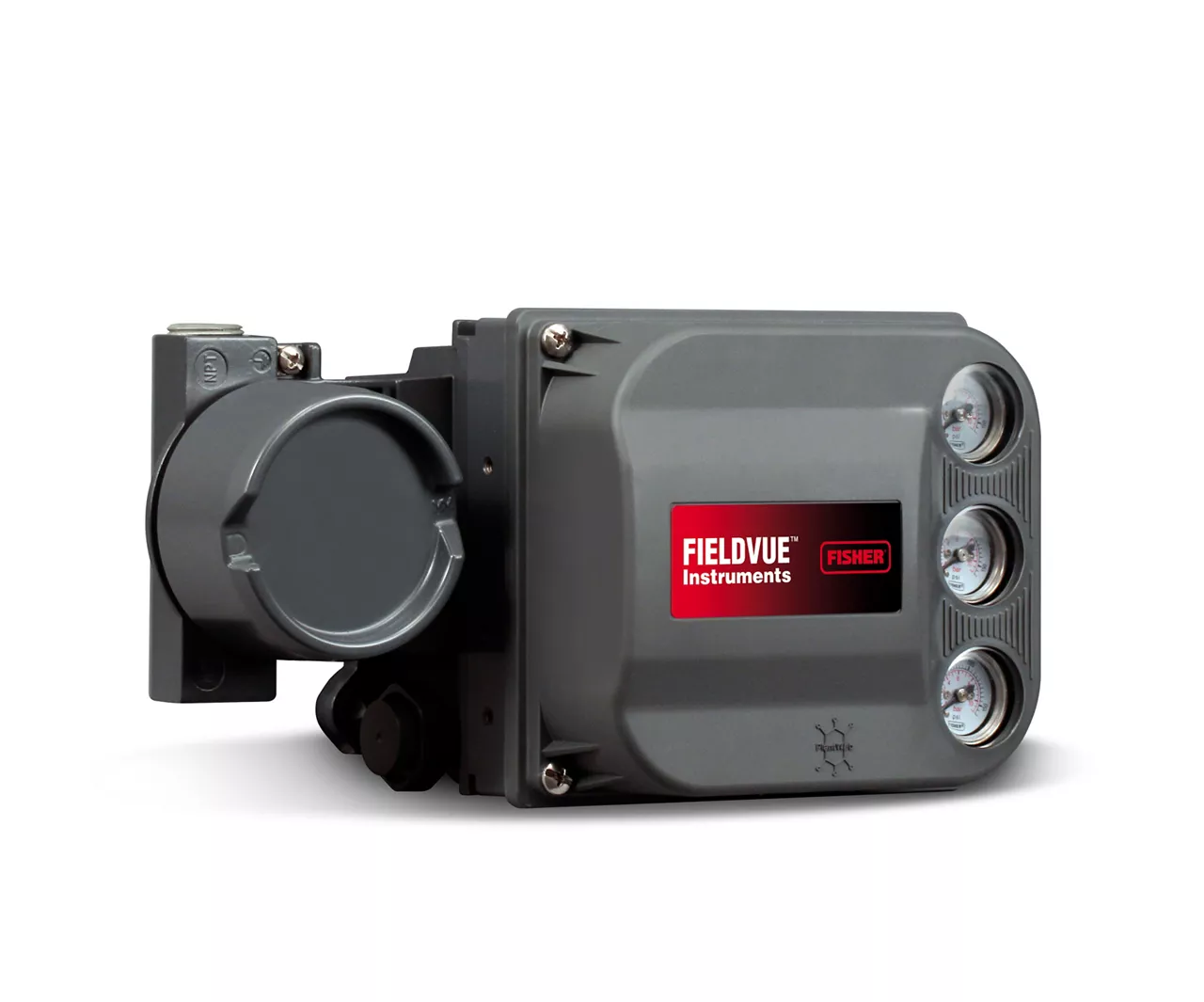
Fisher™ FIELDVUE™ DVC6200 Digital Valve Controller
The Fisher FIELDVUE DVC6200 instrument allows for your operation to run closer to setpoint, improving product quality with more accurate control. Using FIELDVUE Performance Diagnostics, valve operation is monitored online to evaluate performance and reliability.
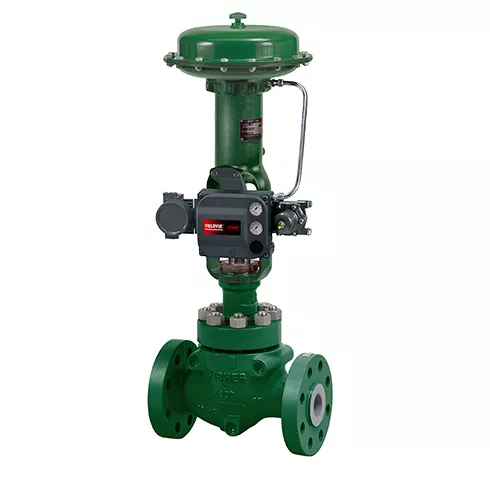
Fisher™ HP Series Control Valves
Fisher HP series control valves are single-port, high-pressure, globe- or angle-style valves with metal seats, cage guides, and push-down-to-close valve plug action. These valves are designed for high-pressure applications in process control industries such as power generation, hydrocarbon production, chemical processing, and refining.
Featured Services

Featured Solutions for Ammonia Production

Enhancing Plant Production with Synthesis Loop Control
To elevate total plant production and operate at optimal capacity, it is essential to navigate various challenges effectively. These challenges encompass maintaining precise control for stable ammonia synthesis operations, enhancing conversion efficiency to reduce compression energy, and monitoring exchanger conditions to minimize refrigeration energy costs.
Implementing strategic solutions plays a pivotal role in the successful operation of synthesis loops. This involves the integration of advanced control valve systems, utilizing welded valve connections for emission control and operational efficiency optimization, and selecting valve trims capable of withstanding high pressures and temperatures in toxic environments.
By adopting these solutions, reactor pressure is optimized, leading to increased yields and ensuring the hydrogen-to-nitrogen (H/N) ratio remains at the ideal level for efficient ammonia synthesis. While catalyst deactivation is an inevitable occurrence over time, deploying these measures facilitates effective process management, extending catalyst lifespan, and sustaining operational efficiency at peak levels.
Featured Media & Articles

Get Your Ammonia Production Questions Answered. Explore our FAQs.
A range of valve types is essential to the ammonia production process, including control valves, safety relief valves, and shut-off valves. These valves play critical roles in regulating the flow and pressure of gases and liquids, safeguarding the process during upsets, and isolating plant sections to support safe and efficient maintenance activities. Learn more about Emerson’s Final Control solutions here: https://www.emerson.com/en/final-control/catalog/products-and-software/valves.
Valves used in ammonia production must operate reliably in highly corrosive environments and under extreme pressures. Selecting appropriate materials, such as stainless steel and other corrosion-resistant alloys, plays a critical role in enhancing valve durability, maintaining safe operation, and improving overall process efficiency within ammonia production facilities.
Control valves are essential for maintaining the precise pressure and temperature conditions required for ammonia synthesis. Implementing best practices for routine maintenance, proactively addressing common operational issues, and applying effective troubleshooting strategies are critical to ensuring uninterrupted, efficient operation of the ammonia synthesis process.
Our valve technologies are designed to minimize fugitive ammonia emissions by addressing all potential leak paths across its low-emission valve portfolio. Proven, patented stem sealing systems create a tight, reliable barrier to prevent ammonia leakage through the valve stem. In addition, Emerson emphasizes high‑integrity connections, using robust materials and engineered designs to ensure leak‑free joints and reduce emissions at connection points. Learn more about Fugitive Emissions here: https://www.emerson.com/en/final-control/catalog/solutions/fugitive-emissions.