
Magnetic Level Instruments
What is magnetic level measurement and when should it be used?
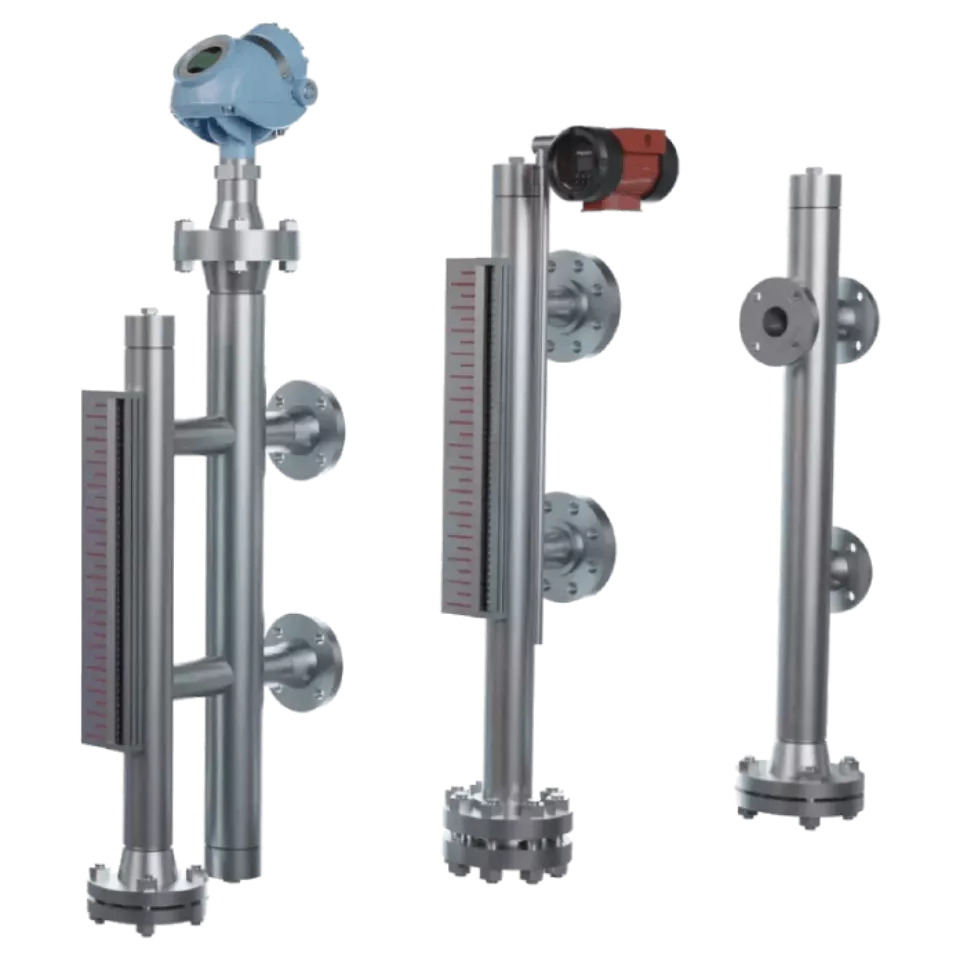
Magnetic level measurement is a process‑isolated level measurement method used when extreme process conditions make direct‑contact technologies unreliable. It uses magnetic coupling to provide continuous visual and electronic indication in high‑pressure, high‑temperature, corrosive, dirty, or hazardous applications.Rosemount magnetic level instruments apply this proven technology through magnetic level indicators (MLI), external chambers, and magnetostrictive transmitters to support reliable level measurement where sight glasses often fail.
Products
Improve operator safety, reduce maintenance and eliminate leak points
Magnetic level instruments are often selected for applications where safety, reliability, and ease of maintenance are critical. The following considerations highlight how magnetic level measurement supports operation in hazardous environments, challenging process conditions, cost‑sensitive applications, and safety‑driven projects requiring redundancy.
Process‑isolated measurement for easier maintenance
Emerson's magnetic level instrument portfolio supports a wide range of level measurement needs using proven magnetic level technology:
- Magnetic level indicators provide continuous visual tank level indication for process tanks
- External chambers enable isolated, bypass, or bridle level measurement without direct tank penetration
- Magnetostrictive transmitters deliver continuous electronic output for monitoring and control
These instruments can be applied independently to meet specific process, safety, or operational requirements.
Improve Safety and Reduce Costs with Magnetic Level Instruments
Discover the key distinctions between the different magnetic level devices
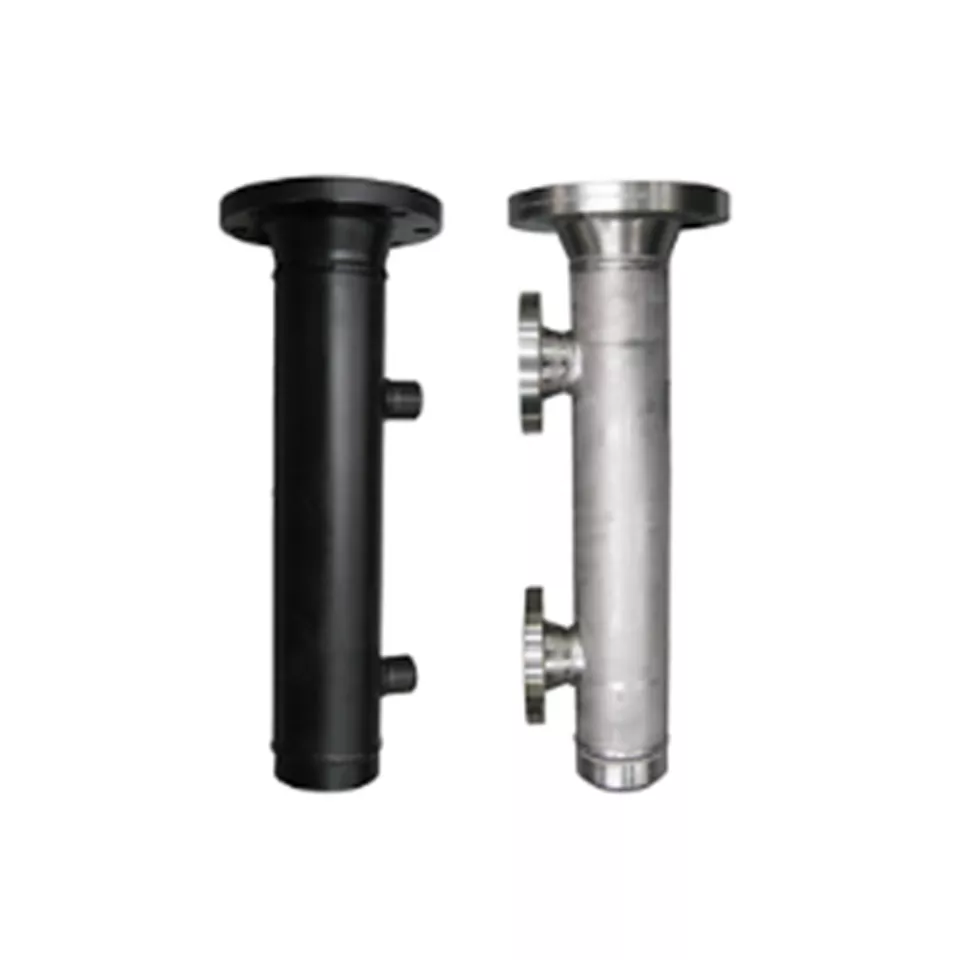
Rosemount™ 9935 Level Bypass Chamber
Measurement Type & Capability
External mounting solution for levelinstrumentation
Optimized for use with Guided Wave Radar
Accuracy & Performance
High accuracy when paired with transmitters
Enhanced measurement stability
Installation & Integration
External mounting simplifies installation
Space optimization around the vessel
Designed to pair with Rosemount 5300 and othertransmitters
Visibility & User Interaction
Enables use of visual and electronic level devices
Design & Mechanical Robustness
Engineered chamber design
Robust and durable construction
Application Flexibility
Versatile measurement capabilities
Maintenance & Diagnostics
Maintenance efficiency through external access
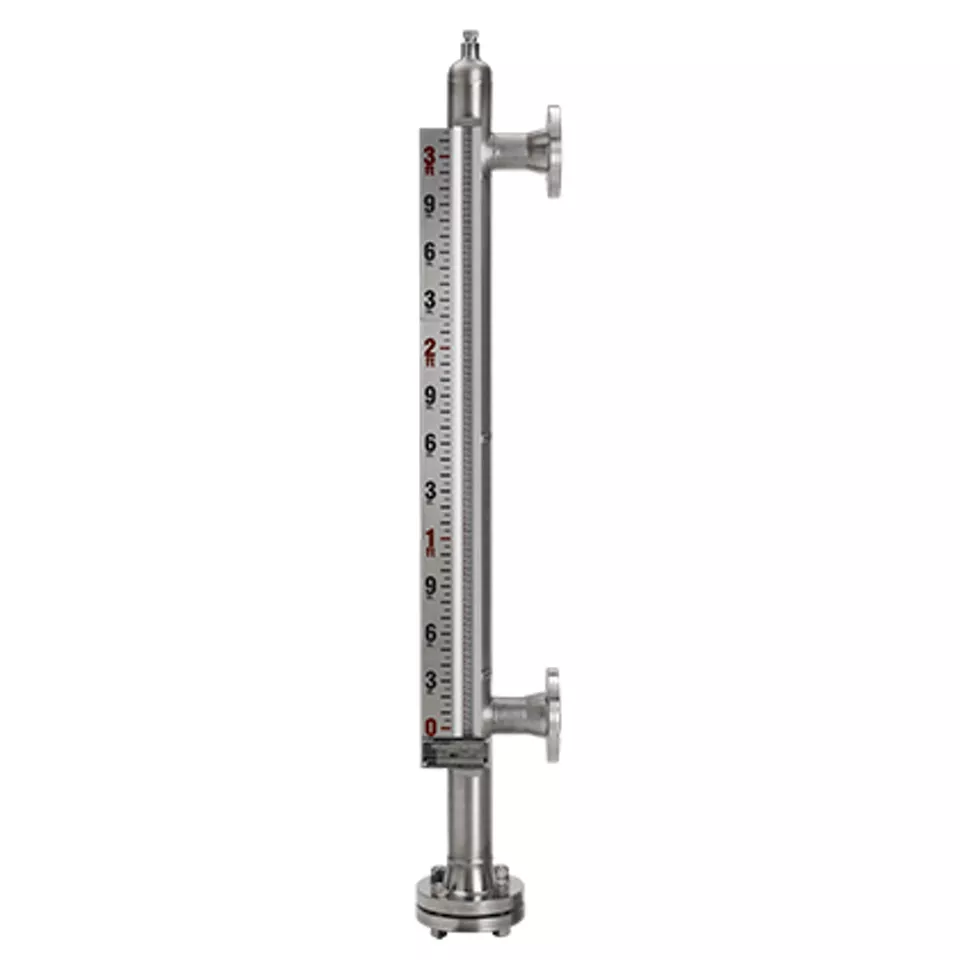
Rosemount™ 9930 Magnetic Level Indicator
Measurement Type & Capability
Direct, non‑invasive visual level indication
Accuracy & Performance
Reliable level indication independent of power
Installation & Integration
External mounting
Compatible with level transmitters and switches
Visibility & User Interaction
High‑visibility local indication
Design
Robust and durable construction
Application Flexibility
Versatile measurement capabilities
Maintenance & Diagnostics
Low maintenance, no calibration required
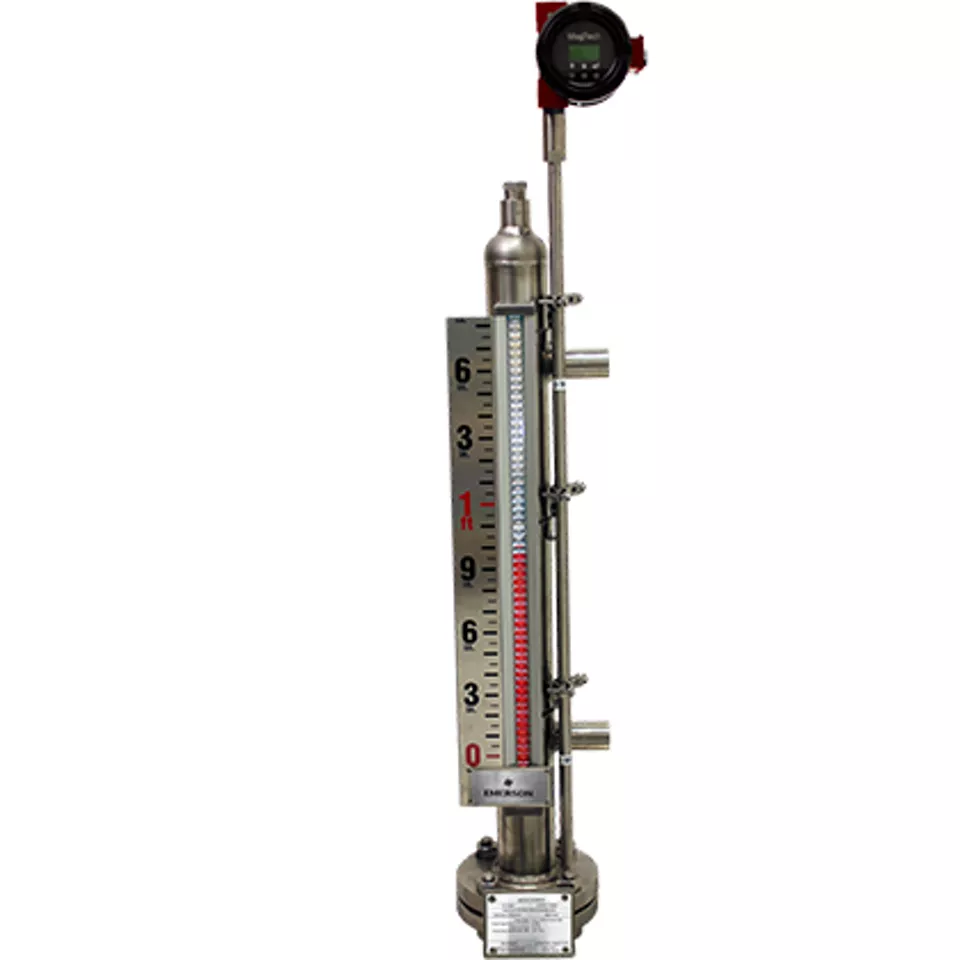
Magtech™ MLT Level Transmitter - Magnetostrictive
Measurement Type & Capability
Continuous electronic level measurement
Dual level measurement (level and interface)
Accuracy & Performance
High accuracy
Installation & Integration
Easy integration with magnetic level indicators
Visibility & User Interaction
Electronic output for control systems
Design
Robust and durable construction
Application Flexibility
Suitable for demanding process environments
Maintenance & Diagnostics
Diagnostic and asset management capabilities
Resources
Product Applications
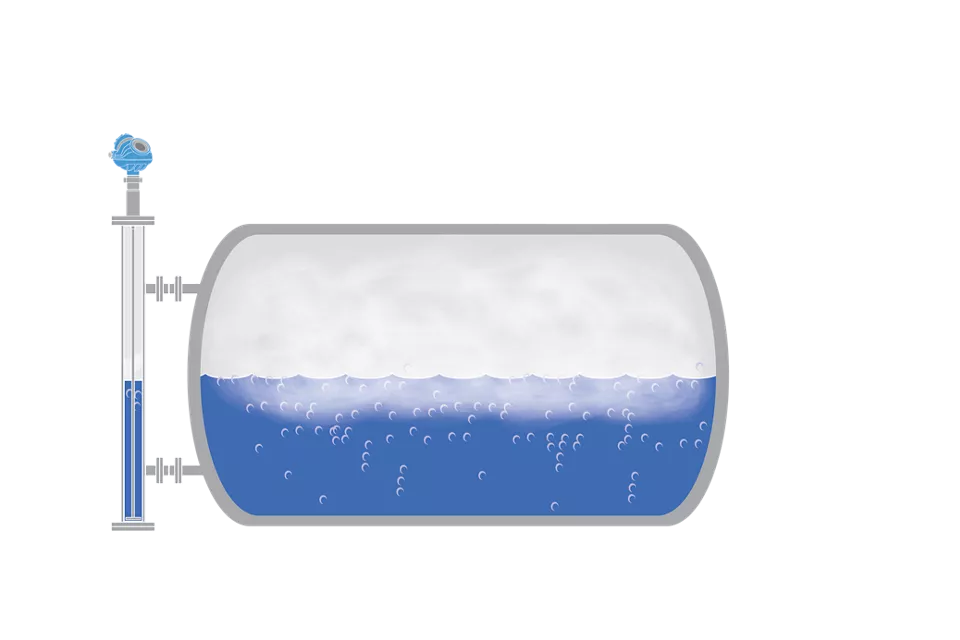
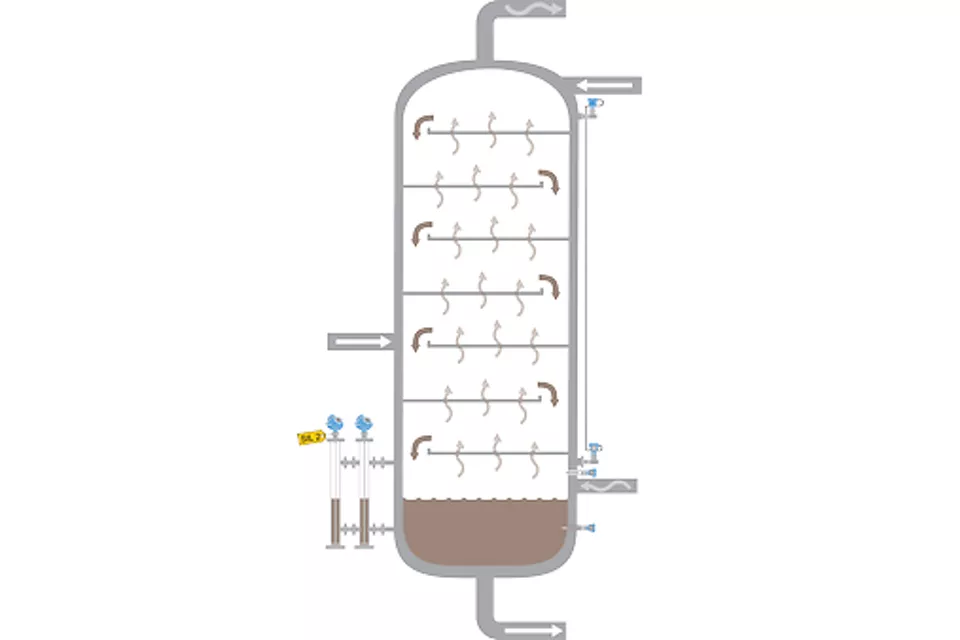

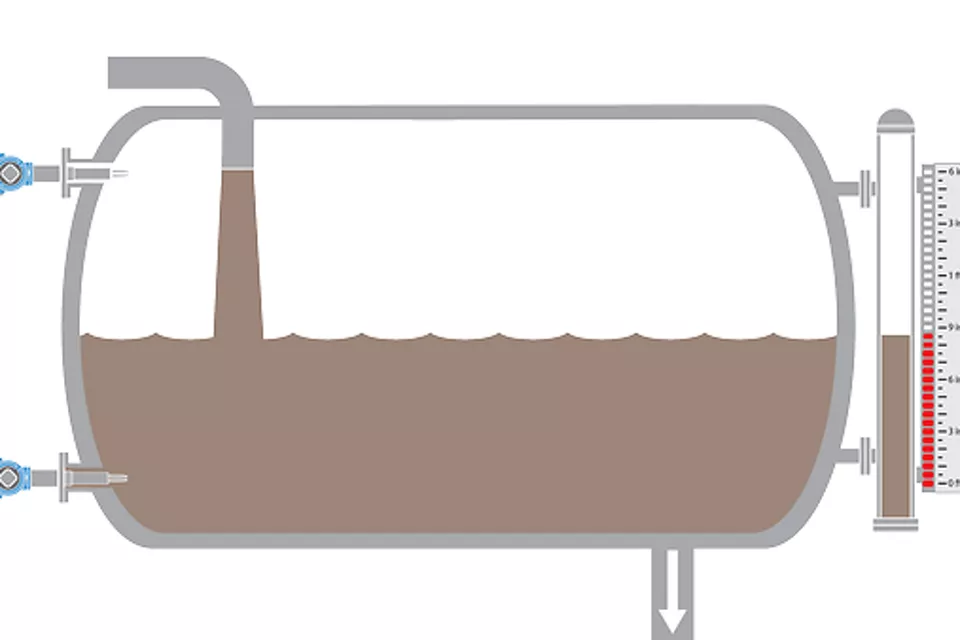
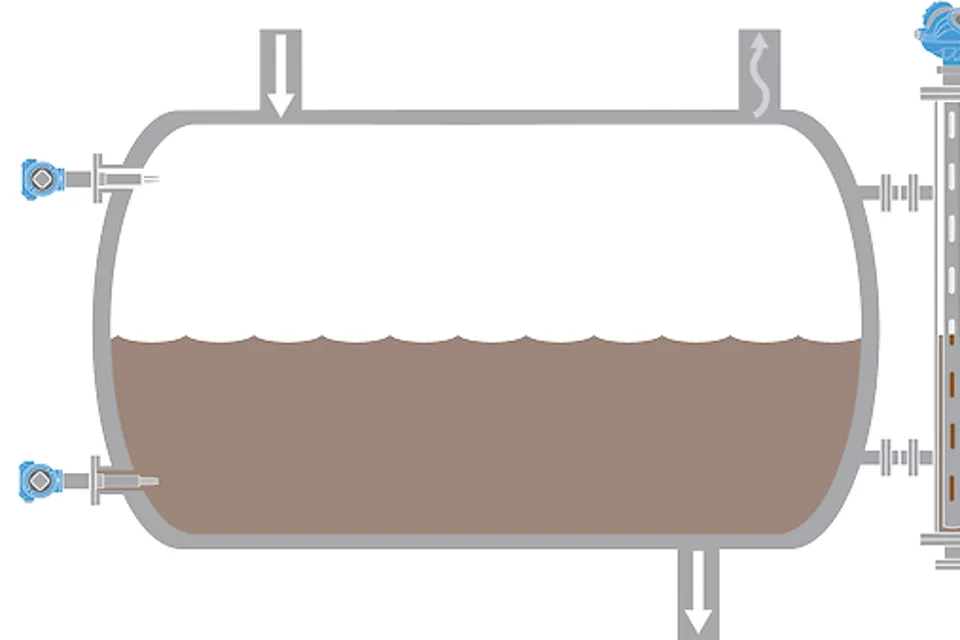



Frequently Asked Questions
Find answers to the most frequently asked questions about magnetic level instrumentation
A magnetic level indicator is a device that uses a float and magnetic coupling to provide a visual representation of liquid level without direct contact with the process fluid.
Magnetic level indicators use the principle of magnetic coupling. A float containing a permanent magnet moves up and down with the liquid level inside a chamber. Outside the chamber, a visual indicator— a column of rotating flags —responds to the float’s magnet, displaying the level accurately without direct contact with the process fluid.
Improved safety: No direct glass exposure to process fluids.
Low maintenance: No moving parts in the visual indicator, and float-based systems are durable.
High visibility: Indicators are readable from a distance.
Sealed system: Ideal for hazardous or pressurized environments.
Customizable: Can be equipped with transmitters and switches for remote monitoring or alarms.
Yes. Magnetic level instruments are often preferred for high-pressure and high-temperature applications, especially when using materials like stainless steel or exotic alloys. Many instruments are rated for pressures up to ANSI 2500 class and temperatures up to 400°C (752°F) or more, depending on construction and certification.
Magnetic level instruments can handle a wide range of fluids, including:
Clean liquids
Corrosive chemicals (with proper material selection)
Viscous or dirty liquids
Cryogenic and boiling liquids
They are not ideal for solids or very thick slurries that may impede float movement.
Absolutely. Most modern Magnetic Level Indicators can be paired with:
Reed-chain or guided wave radar transmitters for continuous level output (4–20 mA, HART, etc.)
Magnetic switches for high/low level alarms
Digital displays or control systems for integration into plant SCADA/DCS networks
The Magtech MLT is a magnetostrictive level transmitter that provides continuous, high-accuracy level measurement. It can be mounted externally or directly inserted into the tank or bypass chamber. A transmitter provides a 4-20mA or digital signal for control systems and is paired with a magnetic level indicator that provides the visual local indication at the tank or bypass chamber.
No direct glass exposure (safer than sight glasses)
Low maintenance and long service life
Redundant measurement when paired with radar or transmitters
Clear visual indication even in harsh environments
Suitable for high-pressure and high-temperature applications
Yes, MLIs can be combined with guided wave radar, non-contacting radar, or magnetostrictive transmitters like the MLT for redundant or enhanced level measurement.
The Rosemount 9935 Bypass Chamber is a high-integrity chamber designed to house a float for use with magnetic level indicators and transmitters. It ensures safe, isolated measurement in pressurized or hazardous applications and supports integration with radar or magnetostrictive technologies.
Magnetic level measurement offers:
- Non-invasive operation
- Improved safety
- Low maintenance requirements
- Reliable performance in harsh environments
Use magnetic level instruments when you need:
- Safe level indication in high-pressure or corrosive environments
- A low-maintenance alternative to sight glasses
- Local visual indication with optional remote monitoring
Yes, magnetic level instruments can be paired with guided wave radar transmitters, non-contacting radar transmitters and switches to provide continuous level monitoring, alarms, and integration into control systems.