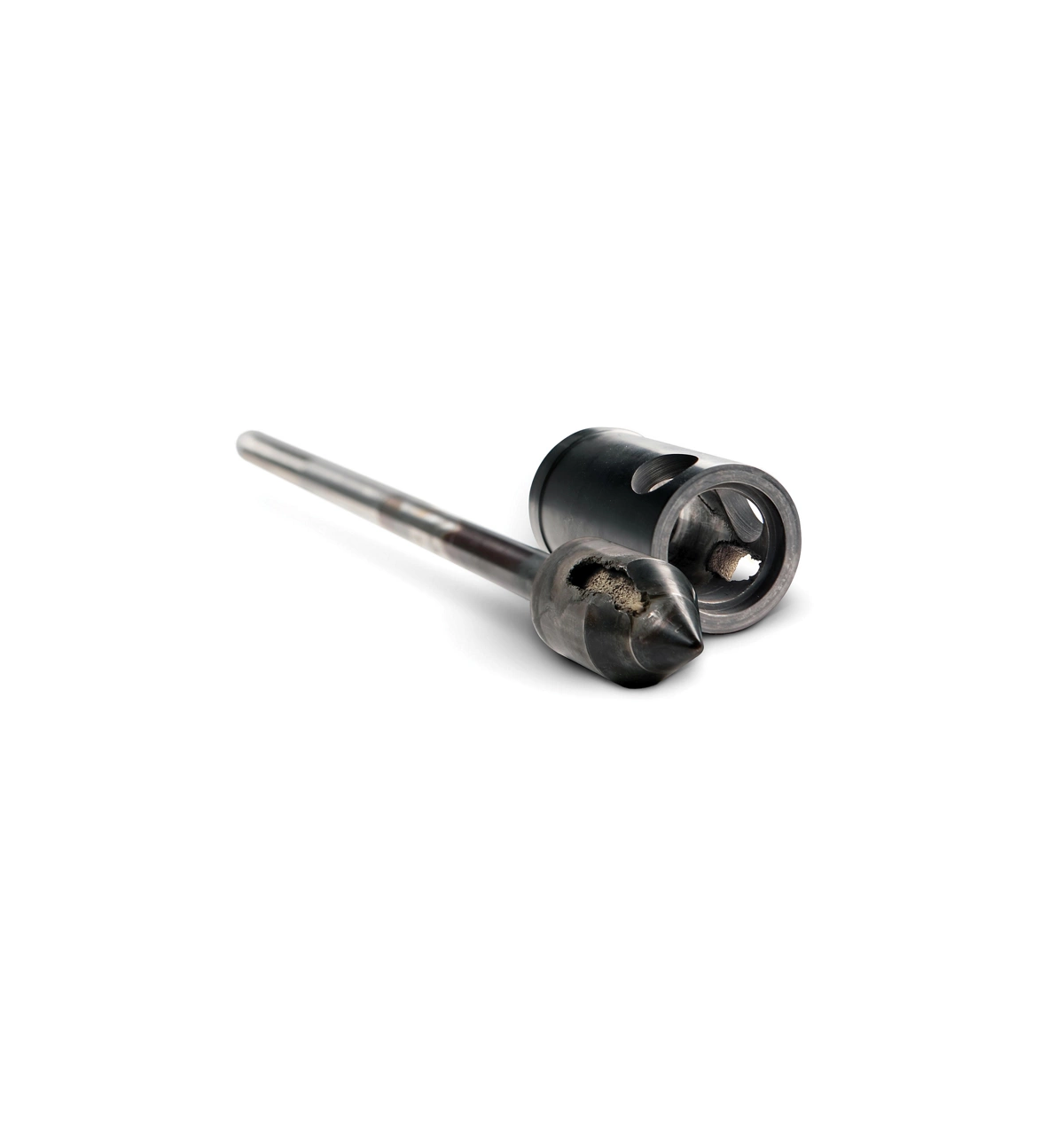


Understanding Control Valve Noise
Valves controlling high pressure drop liquids and gases can contribute substantially to ambient noise levels. The noise can be generated in three basic ways: by the mechanical vibration of valve components, by turbulent gas flow (aerodynamic noise), or by cavitating liquid flow (hydrodynamic noise). If control valve noise is left untreated, it can introduce process control issues, pose safety risks to workers, or require costly repairs to valves, pipes, other instrumentation, and surrounding equipment.

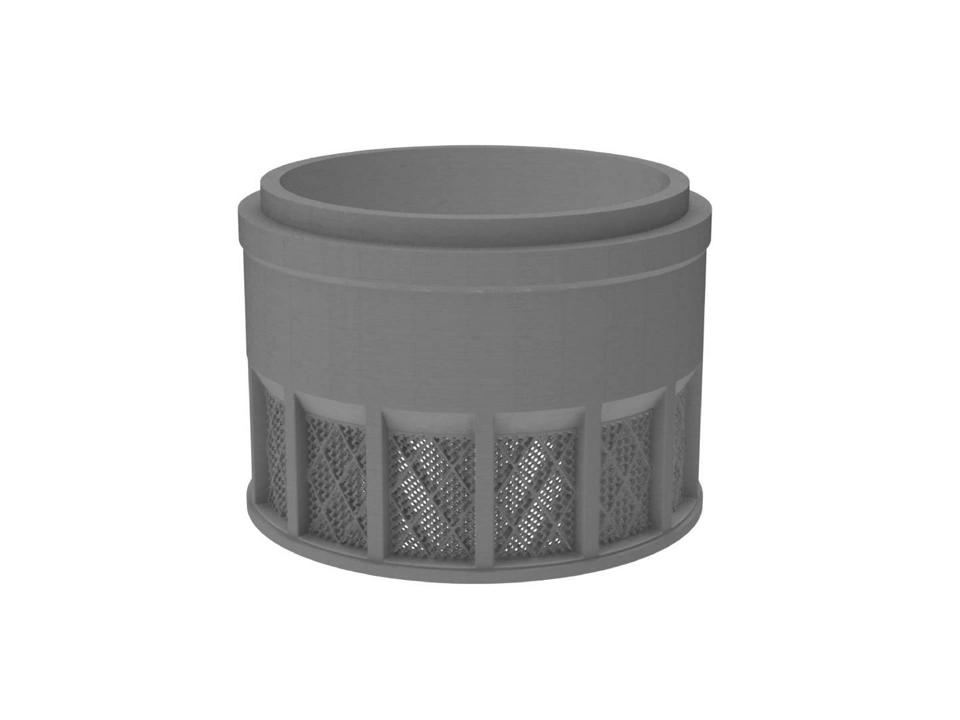
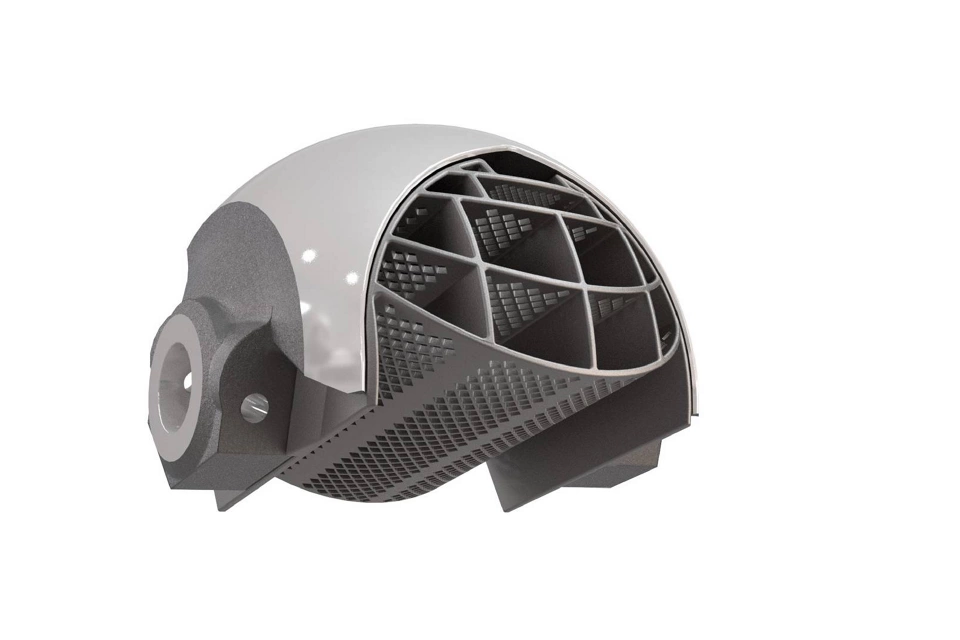
Fisher™ Whisper™ NXV Trim
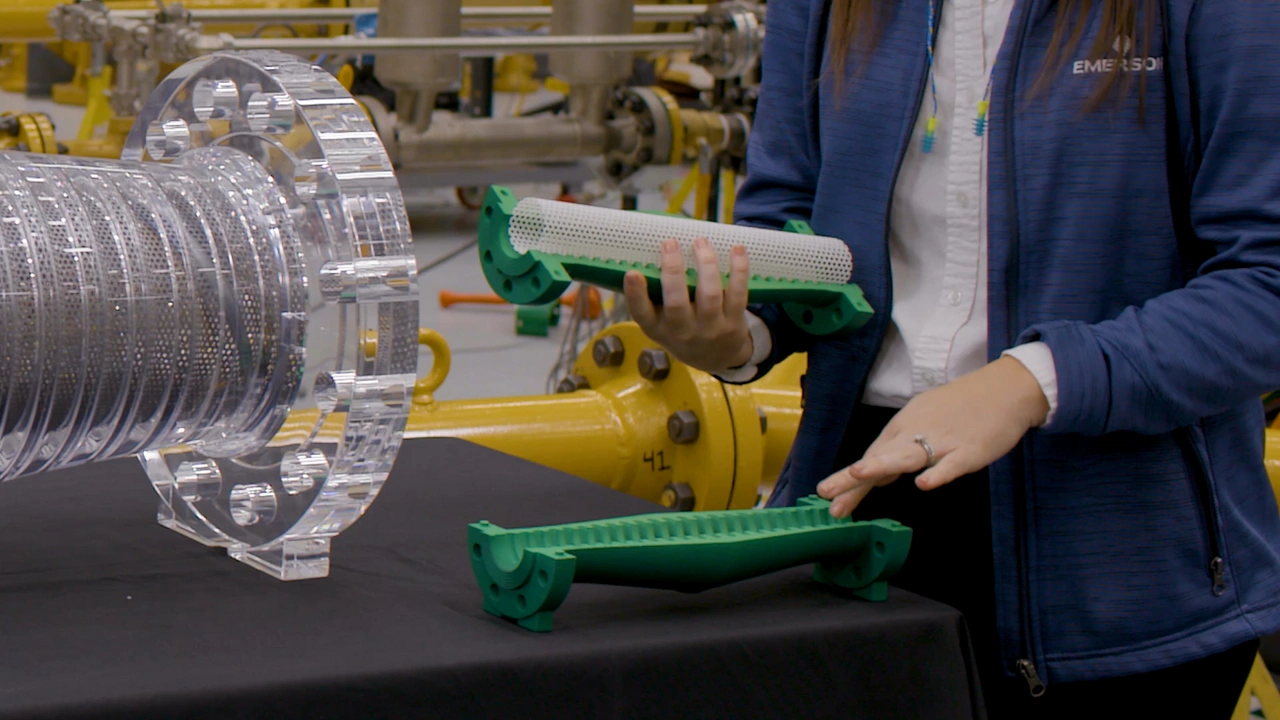
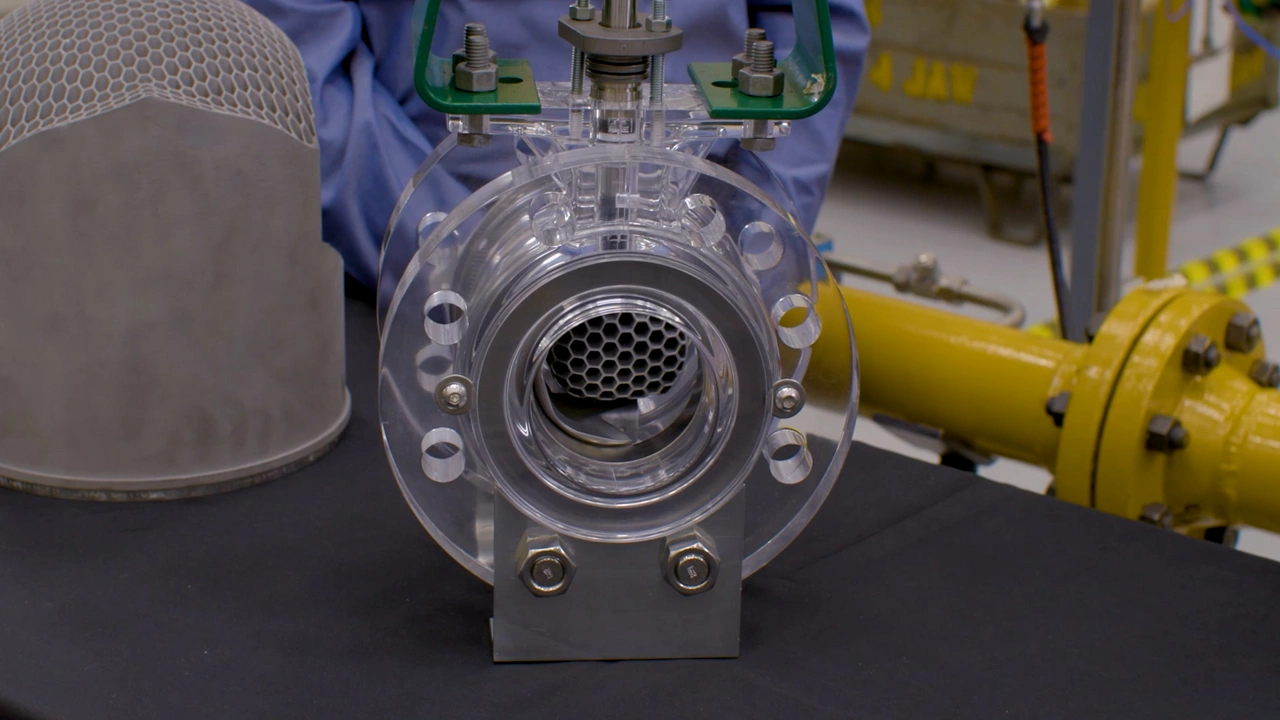
Fisher Vee-Ball Series control valves (V150, V200, V300) with Whisper NXV trim combine the efficiency of a rotary valve with the acoustical attenuation capability of Whisper technology to provide improved performance in applications where aerodynamic noise is a concern.
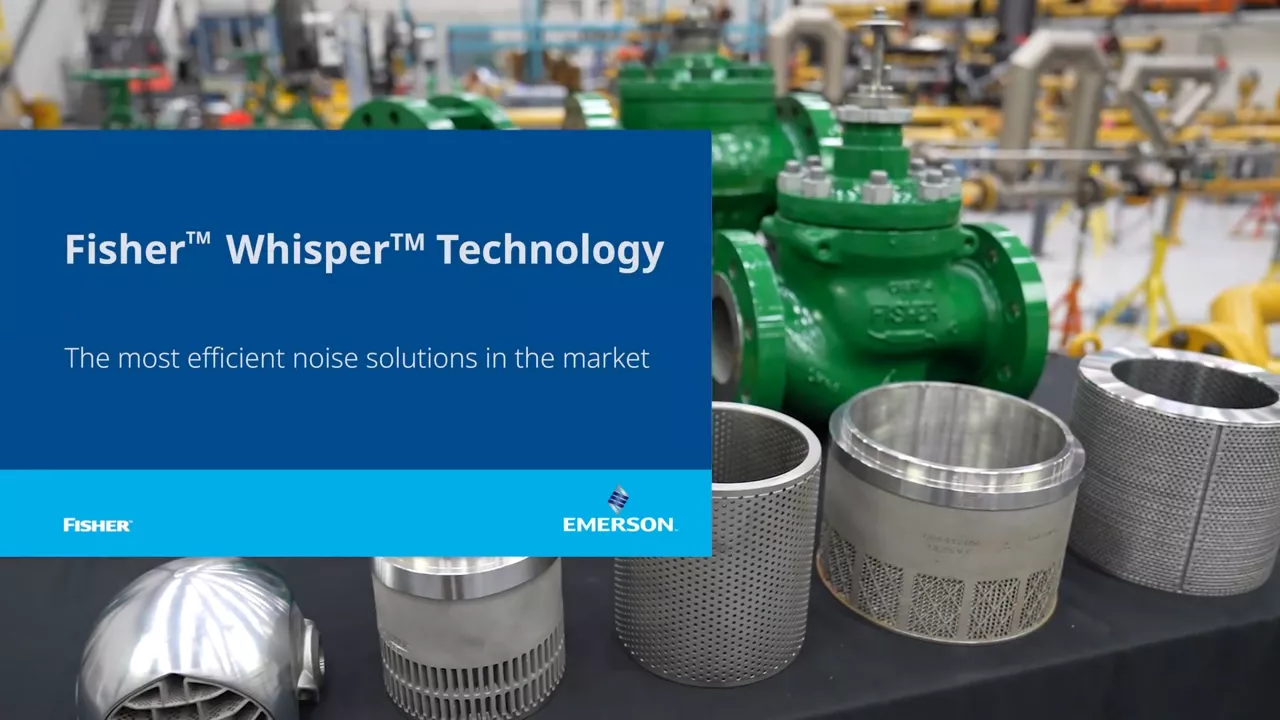


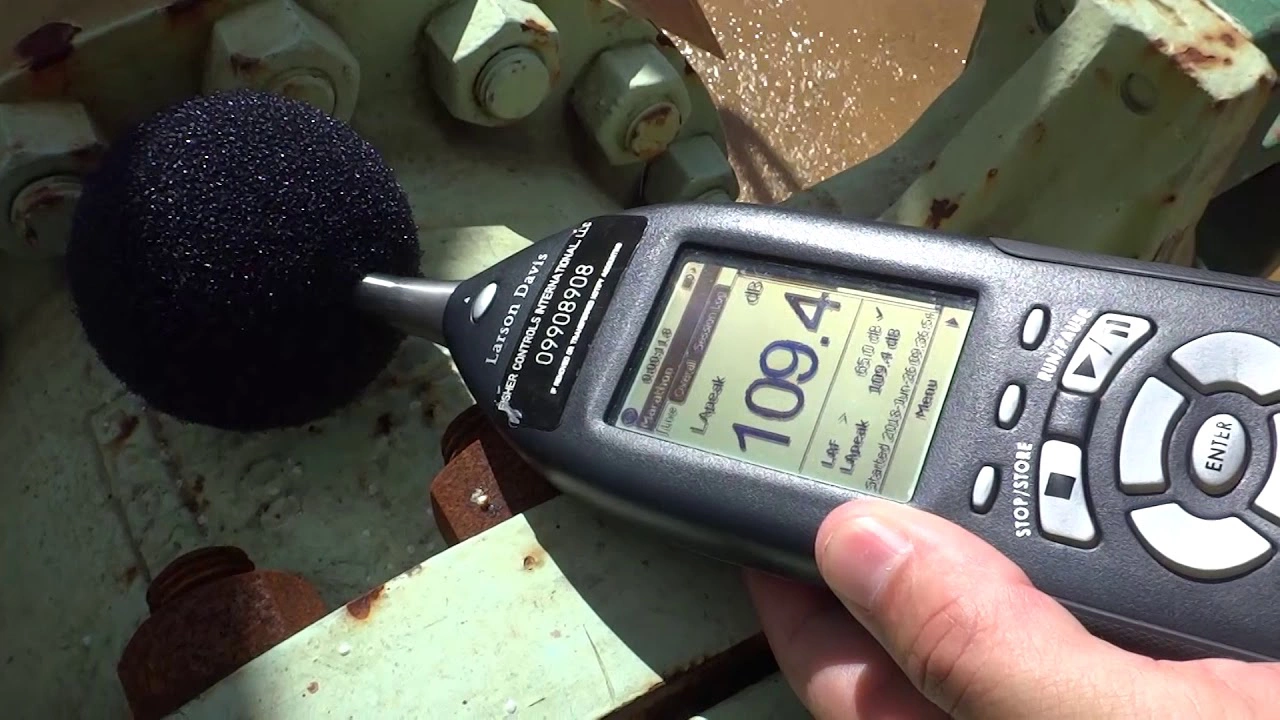

Principles of Control Valve Noise

Noise Control
The two basic approaches for controlling valve noise are source treatment and path treatment. Source treatment prevents excessive noise that would otherwise be generated within the control valve, while path treatment reduces the noise after it has been generated.
Common source treatments include noise-attenuation control valve trims, inline diffusers, and vent diffusers that minimize turbulence. Typical path treatments include increasing the pipe thickness, adding acoustical or thermal insulation, or adding inline pipe silencers.
How to Reduce Control Valve Noise
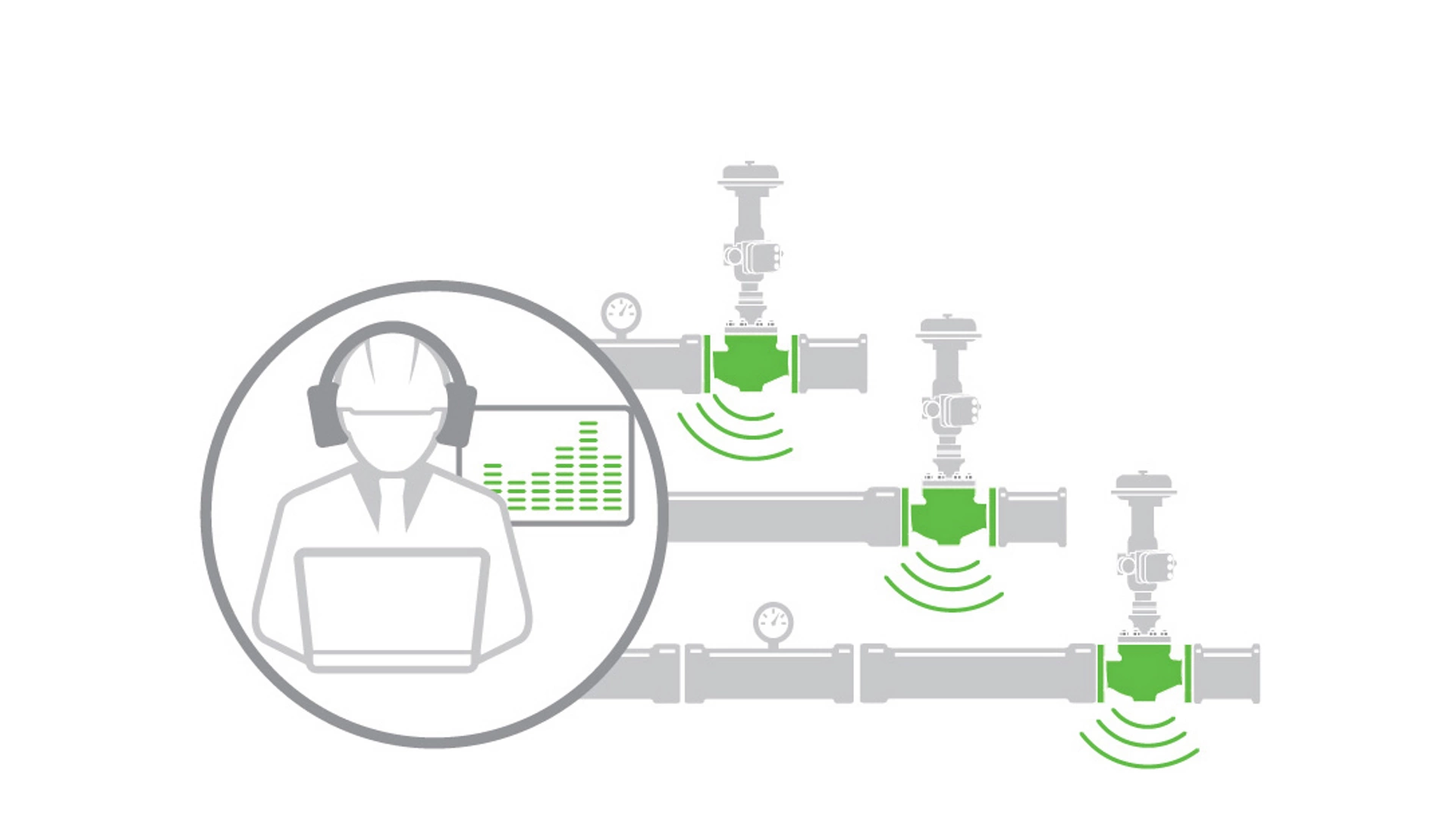
Proper Valve Sizing
Proper valve sizing is critical for controlling valve noise. An inappropriately sized valve can introduce noise issues. Emerson has standardized valve sizing techniques and selection criteria to account for factors that contribute to valve noise, so you can trust our products will work in your plant, as advertised.