

What is an Isolation Valve?
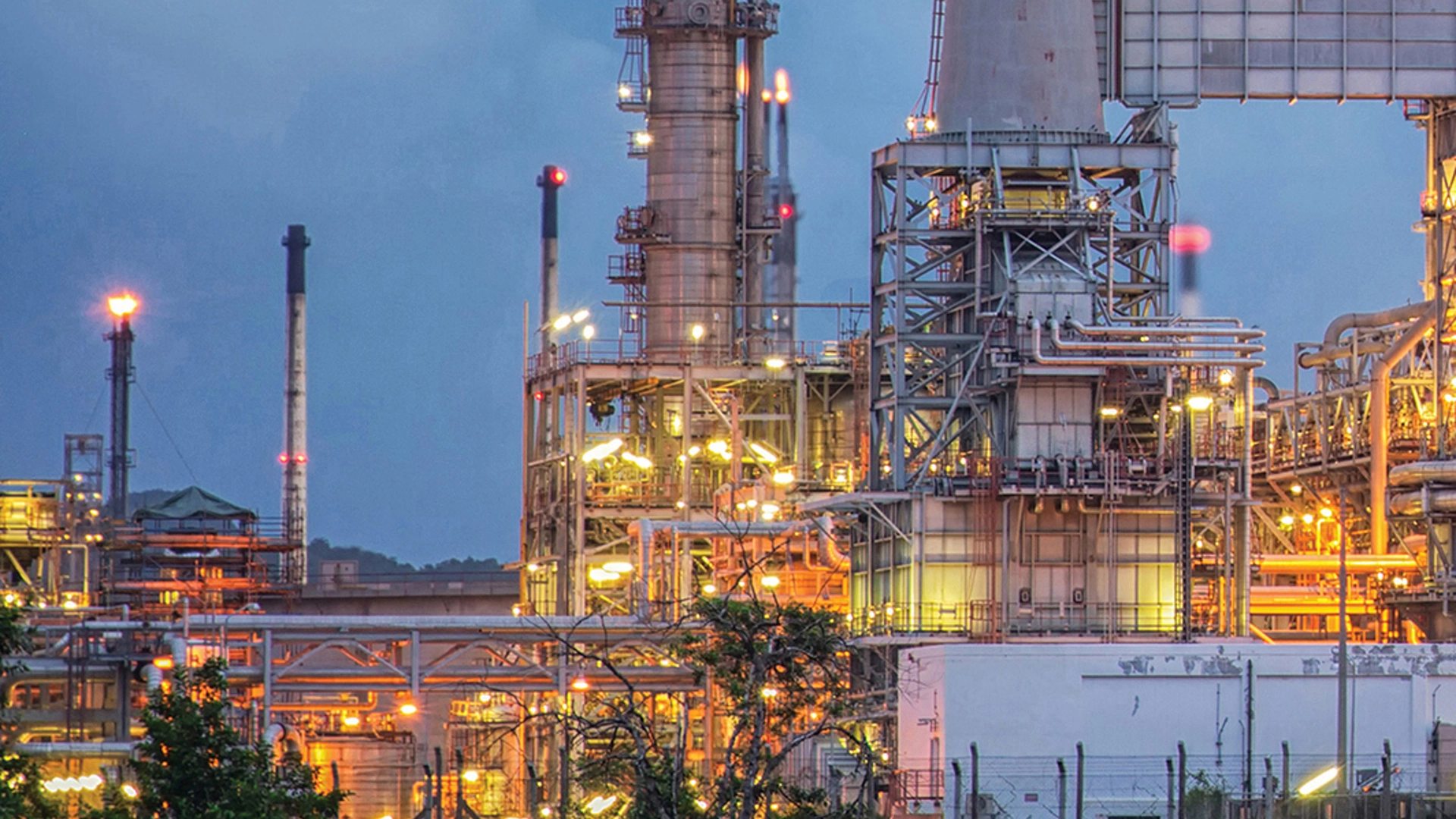
An isolation valve stops the flow of gas, liquid, slurry or powder. These valves typically operate in the closed or fully open position to direct process media, protect in emergencies and facilitate safe maintenance. Isolation valves are also known as shut off valves, on-off valves or stop valves.
Isolation Valve Products
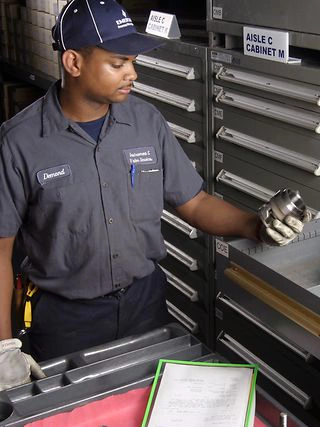
Isolation Valve Brands
Isolation Valve Videos
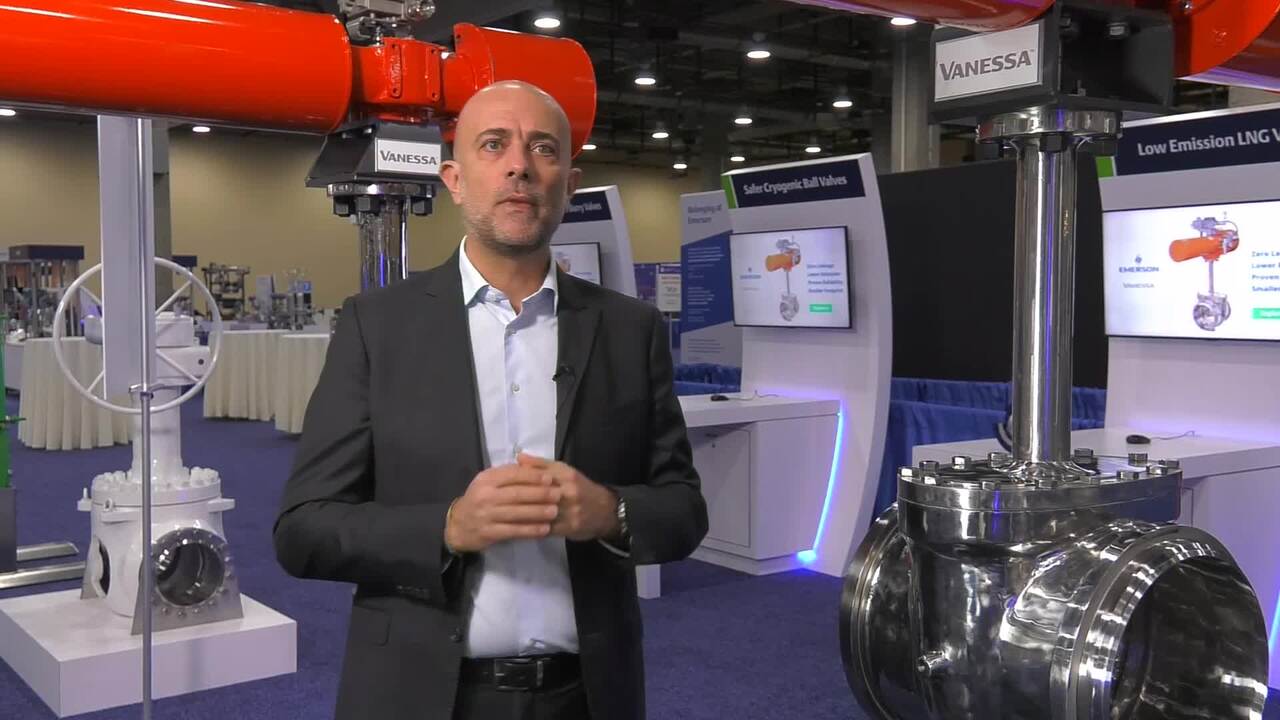
Vanessa Triple Offset Valves in LNG Processes
Andrea Grieco explains how Vanessa valves help customers solve challenges in LNG applications.
Vanessa Triple Offset Valves in LNG Processes
AEV C-Ball Valves Improve Safety in LNG Processes
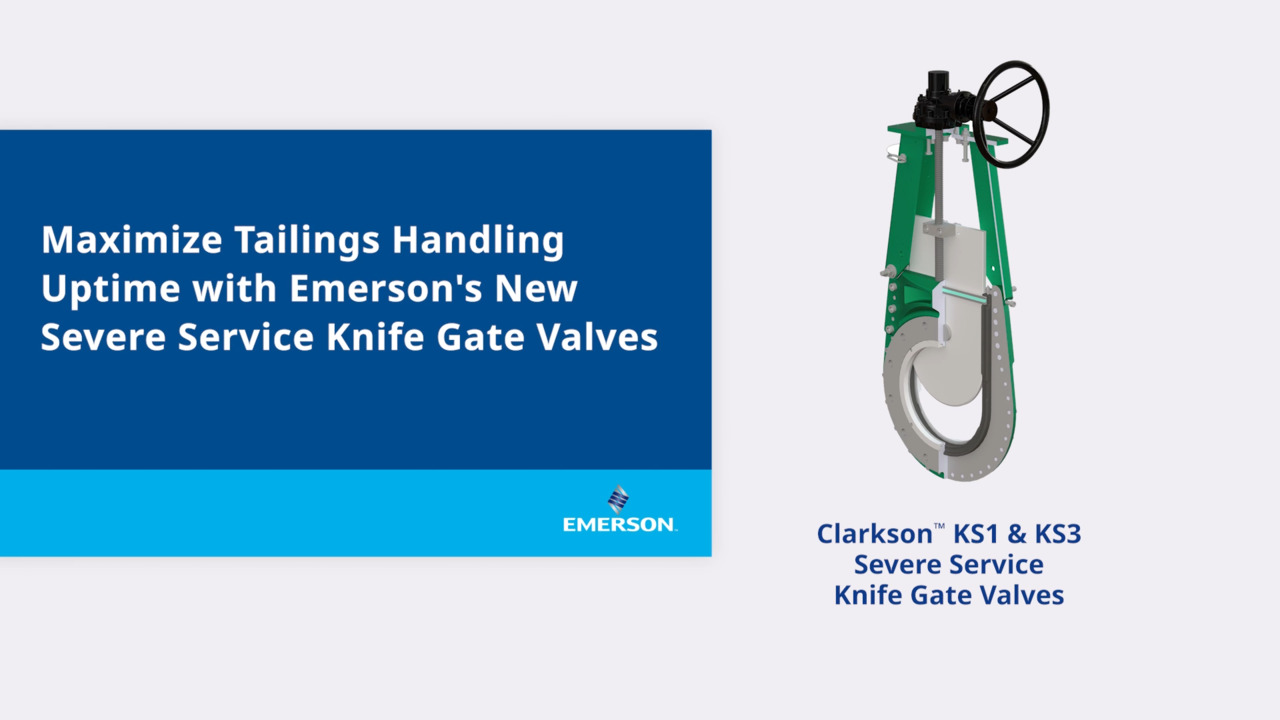
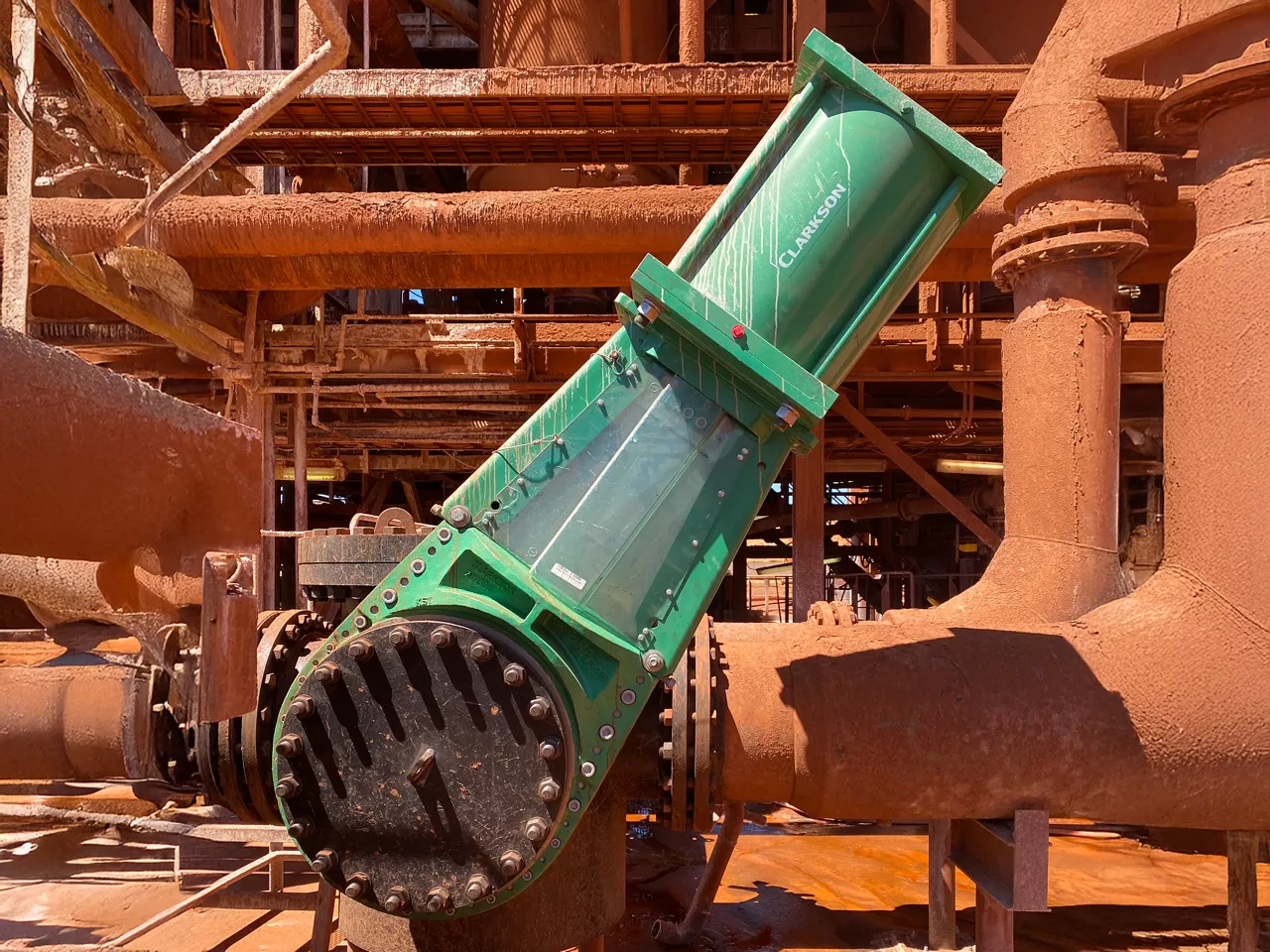
Clarkson Knife Gate Valves in Mine Tailings
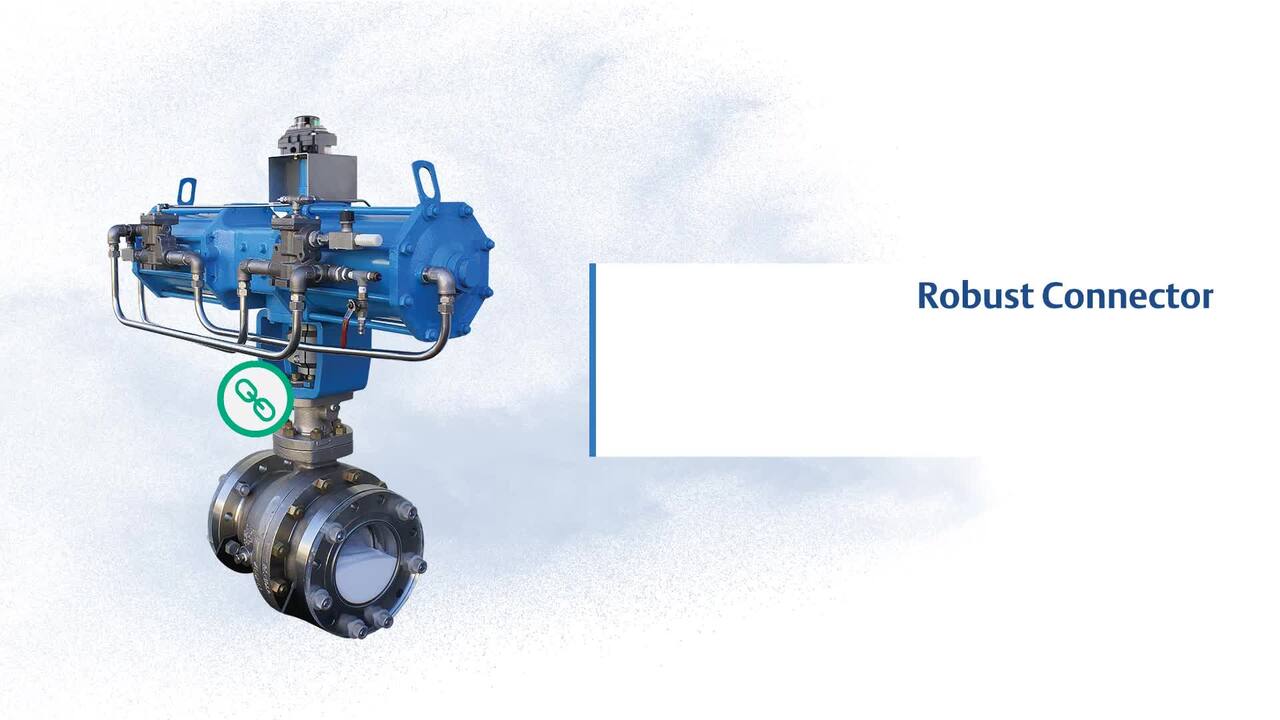
KTM Ball Valve Achieves 2 Million Cycles
Best Practices for Lowering Fugitive Emissions Caused by Valves
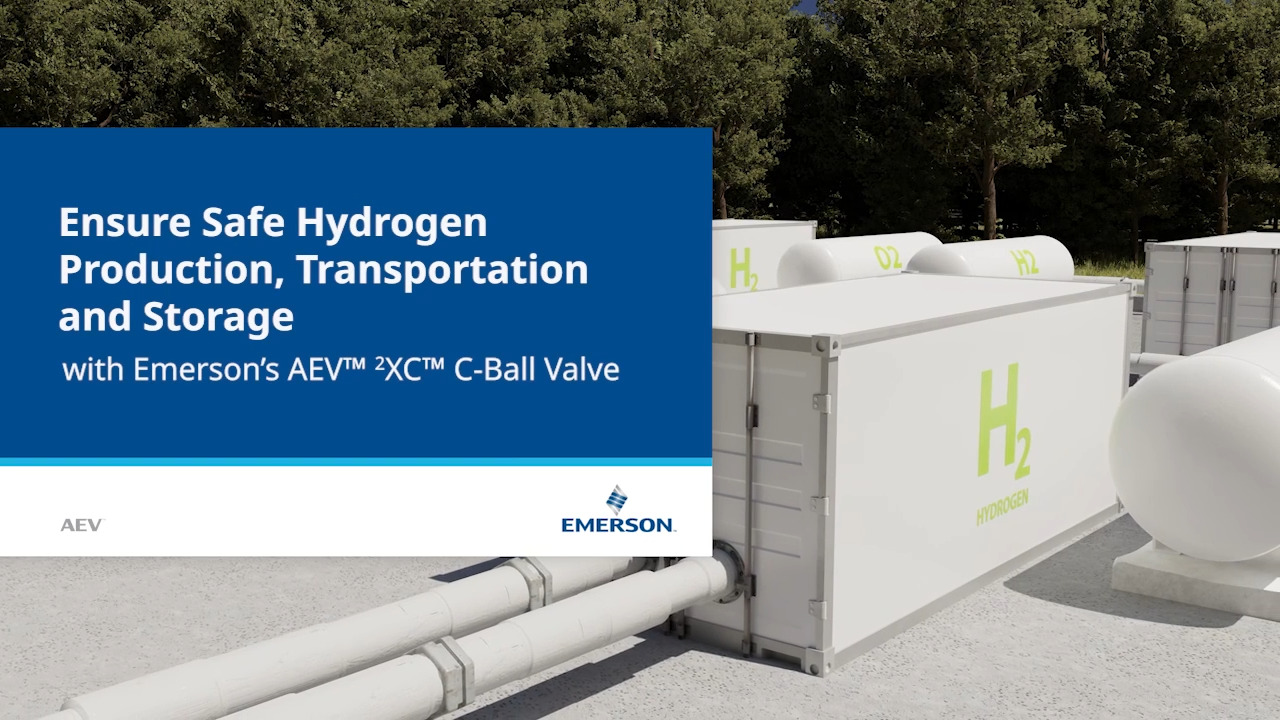
AEV ²XC C-Ball Valve
Insights from Isolation Valve Experts




Isolation Valve Services

Isolation Valve Frequently Asked Questions
An isolation valve stops the flow of gas, liquid, slurry or powder. These valves typically operate in the closed or fully open position to direct process media, protect in emergencies and facilitate safe maintenance. Although there are differences in intended use, isolation valves are also commonly known as shut off valves, on-off valves or stop valves.
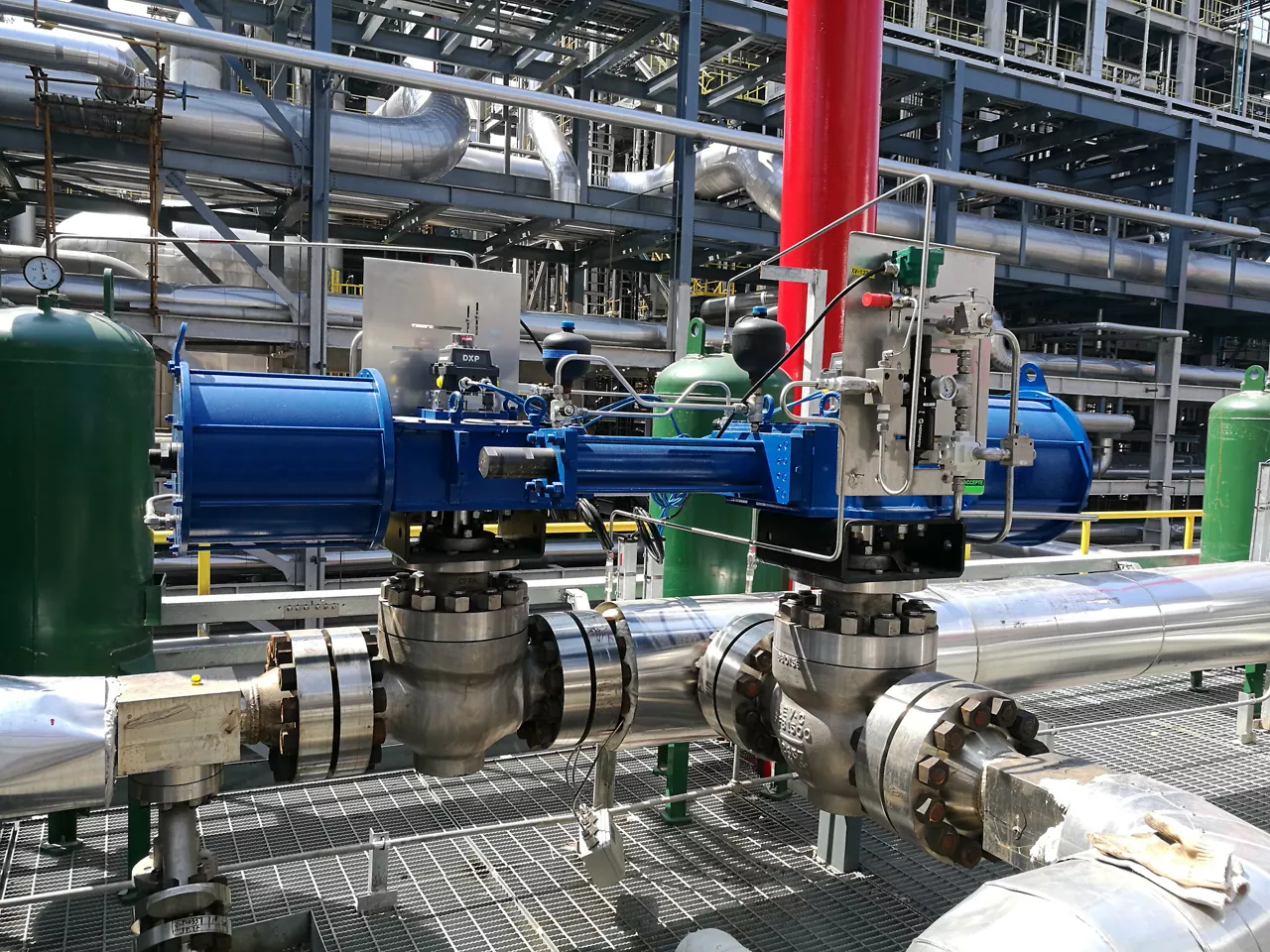
Isolation valves are available in variety of designs including ball valves, butterfly valves, gate valves, globe valves, knife gate valves and triple offset valves. Each design type has its own advantages depending on the process conditions, system design or goals of the plant owner.
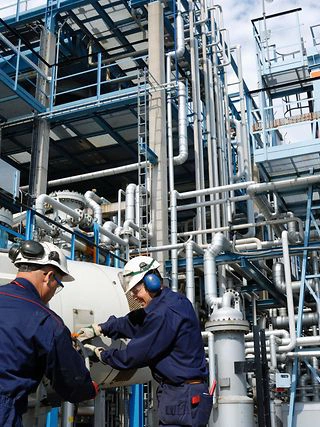
Isolation valves are installed in piping systems to isolate flow to ensure safe maintenance of process equipment including control valves, pumps and tanks. Isolation valves can also be used for on-off process control, to connect external equipment, facilitate testing and to shut down processes in an emergency.
Valves are the leading source of fugitive emissions in a typical process facility. Leakage can occur around the valve stem, body seals and end connections resulting in the unintended release of process media. It is therefore critical to carefully select low emission valve technology that features quarter turn action, a proven stem seal system, minimal body joints and where possible, welded end connections.