
Understanding Control Valve Vibration
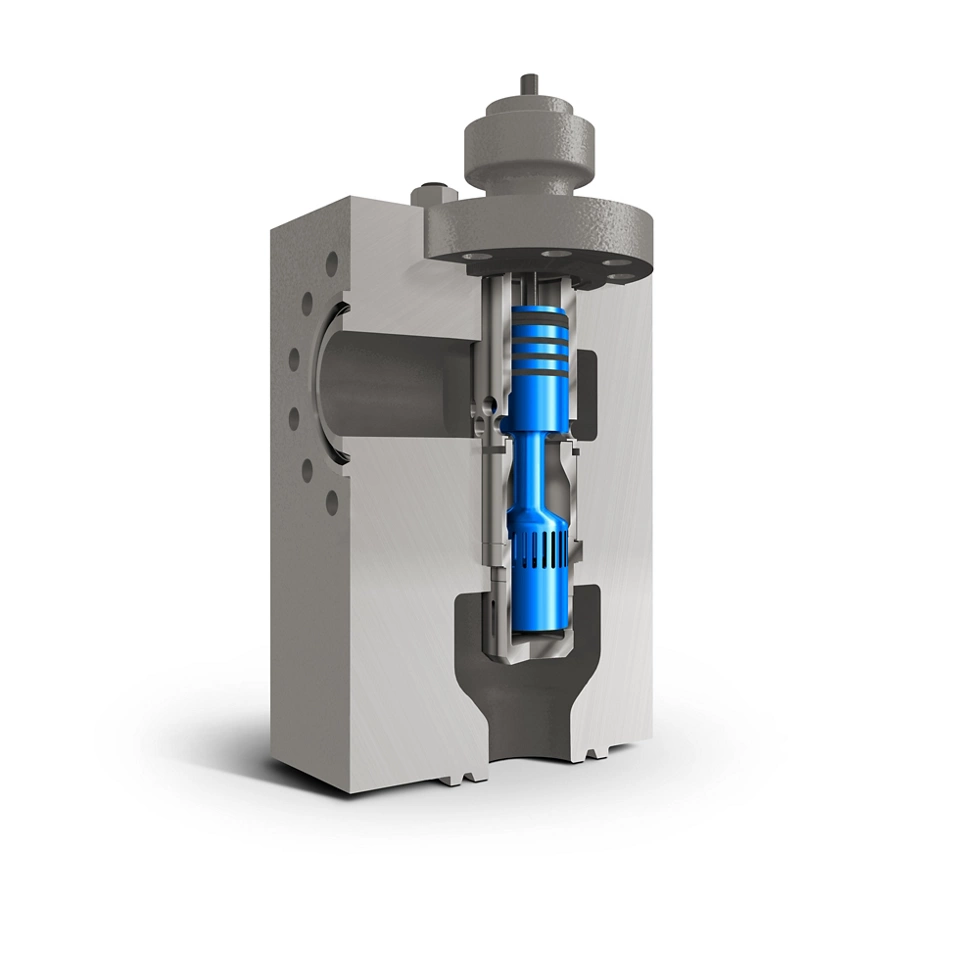
High vibration poses a risk to control valves. It can cause part fatigue/breakage, excessive component wear, damage to accessories, and loss of performance during and after vibration. When it originates at the control valve, it is usually linked to aerodynamic noise or cavitation. Whereas vibration around control valves can result from many different sources, including pumps and compressors. When severe vibration is observed, it is important to act quickly to identify the source and take action to address it.
Principles of Control Valve Vibration

Damage Potential
Within an industrial facility, vibration can originate not only within the control valve, but also with upstream and downstream piping and equipment. Vibration experienced in control valve installations can damage components and instruments.
At the very least, vibration is annoying because of the noise generated. At worst, vibration can prevent the control valve from controlling the process.
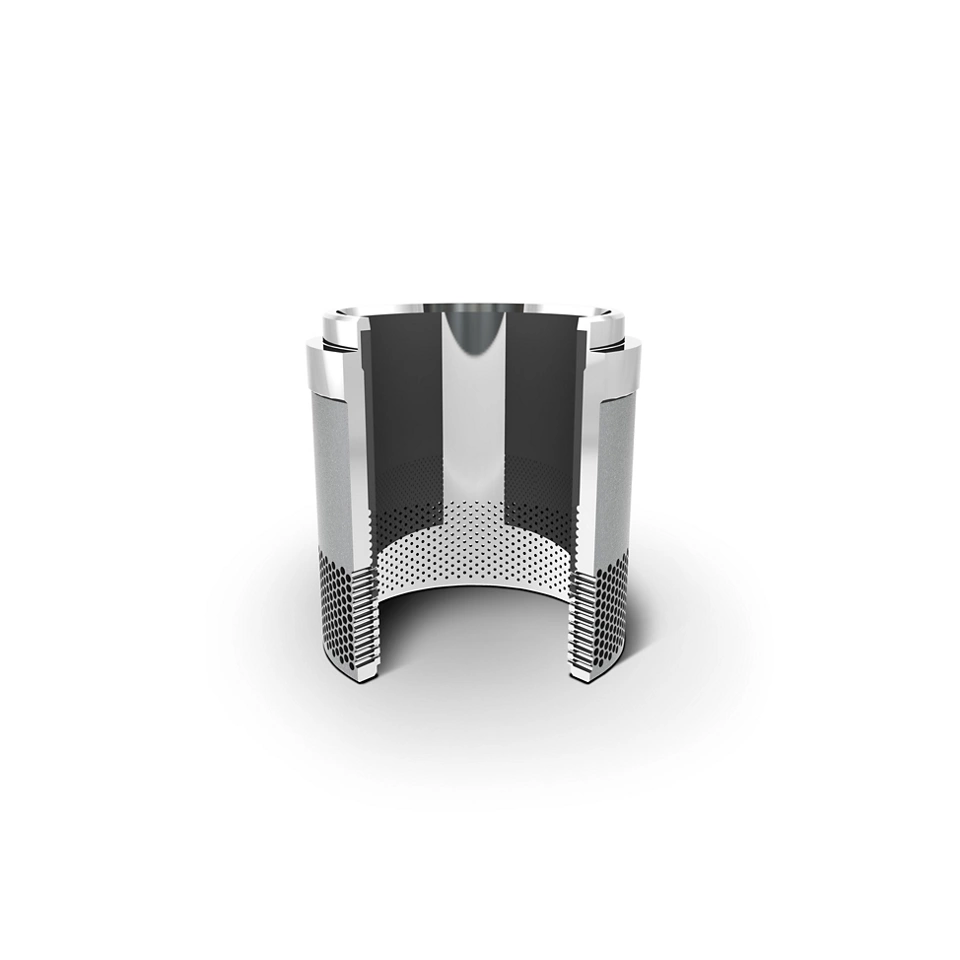
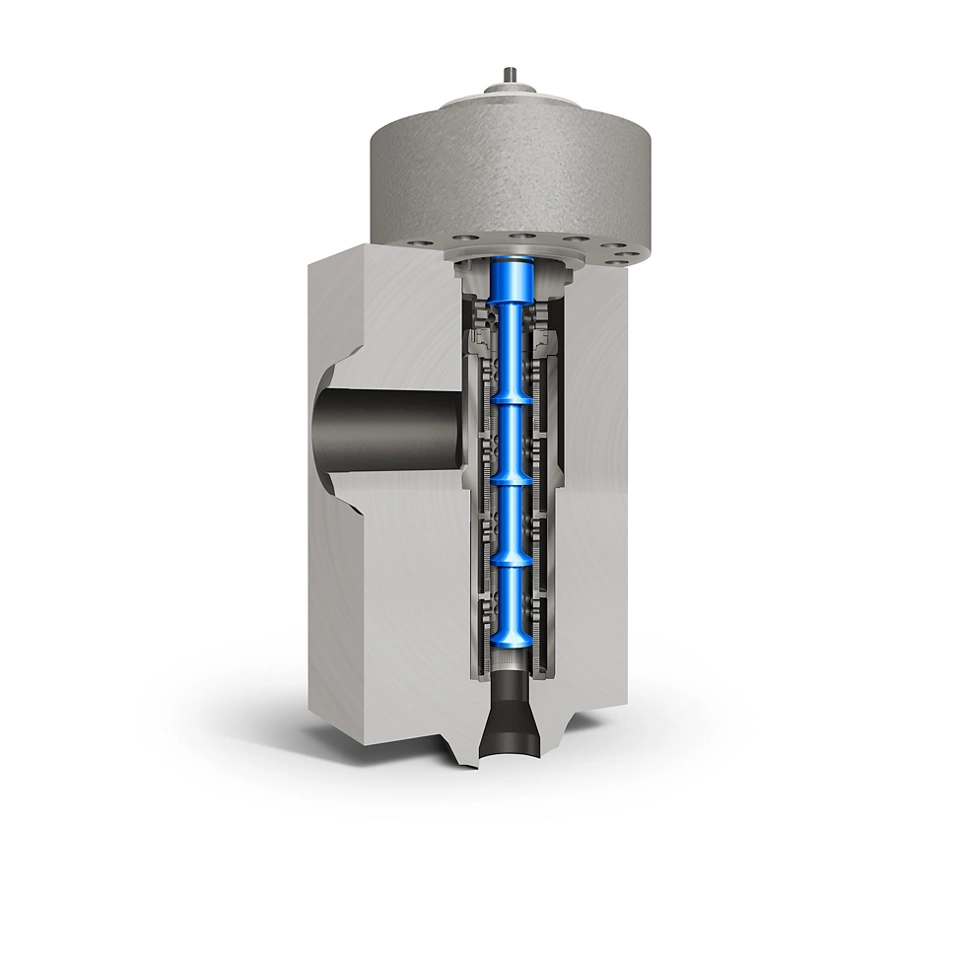
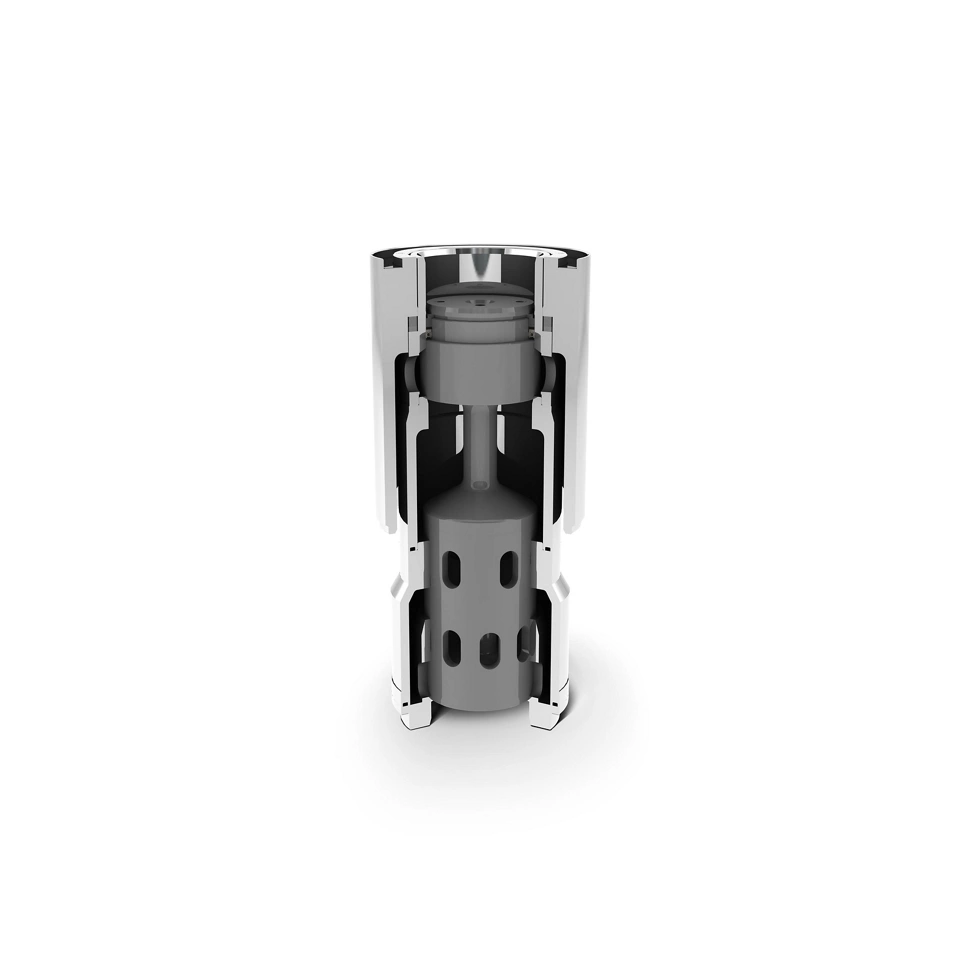
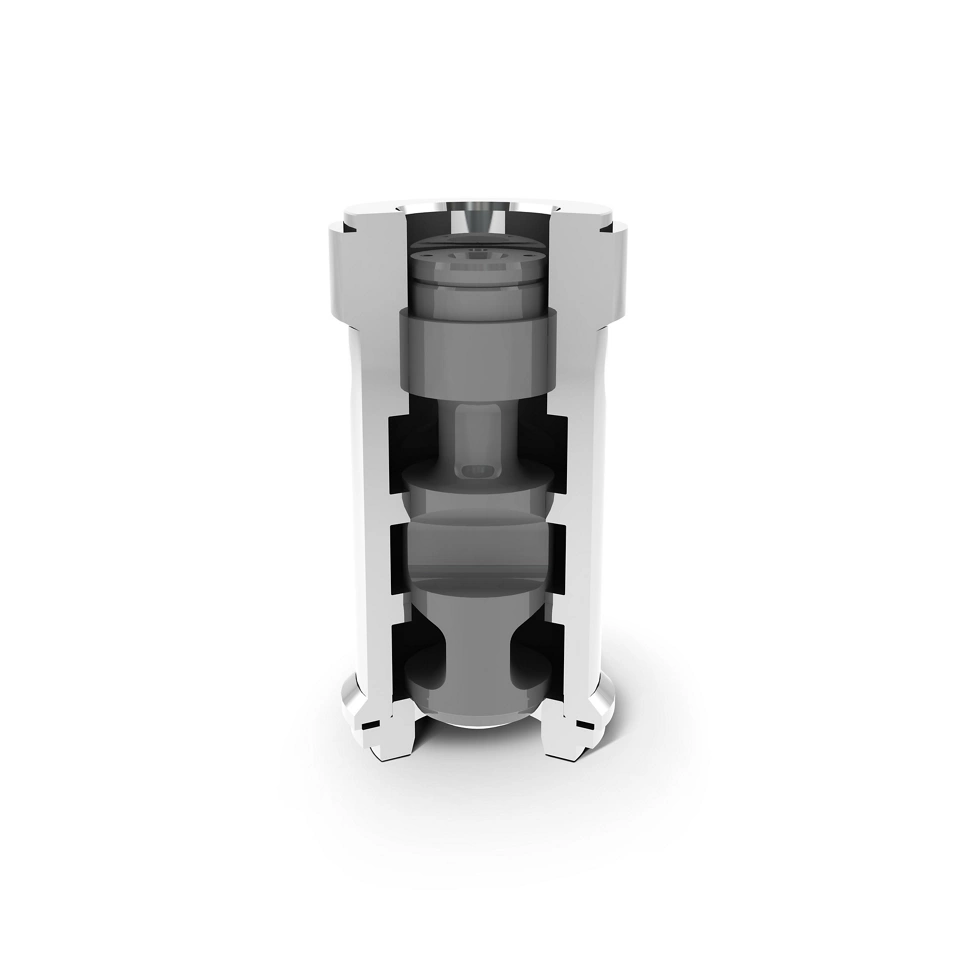
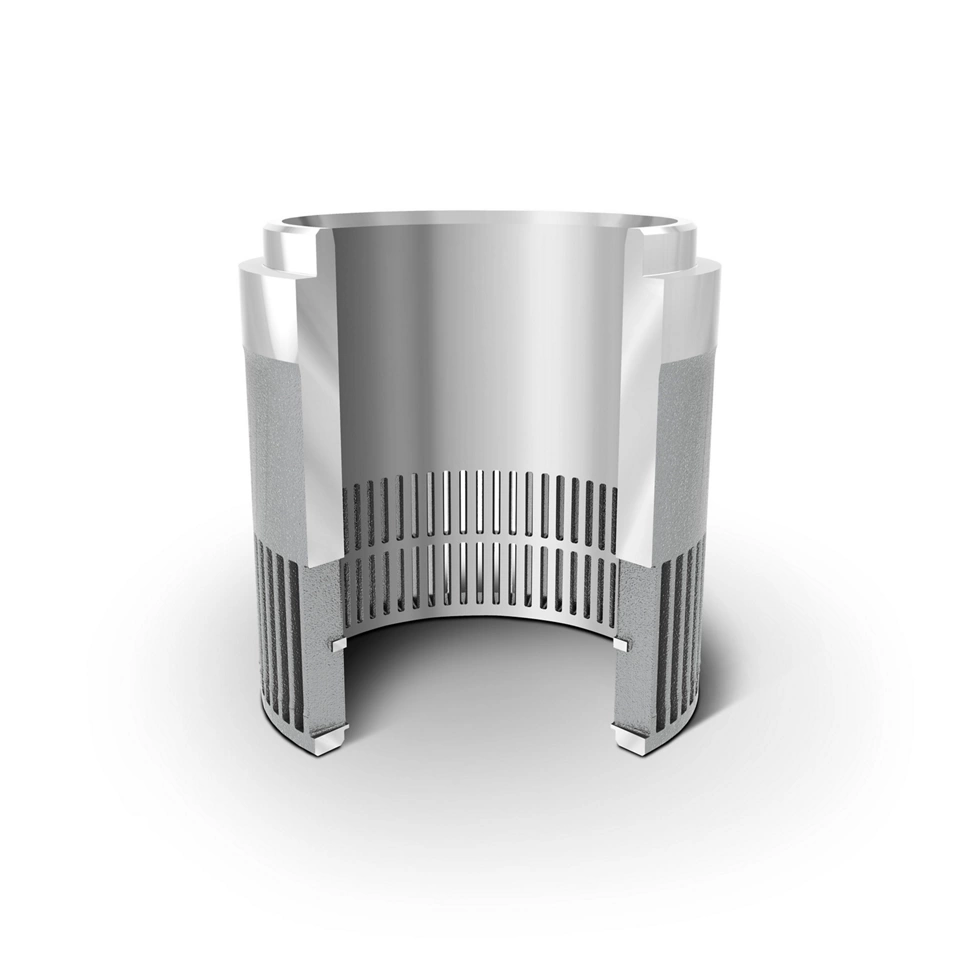
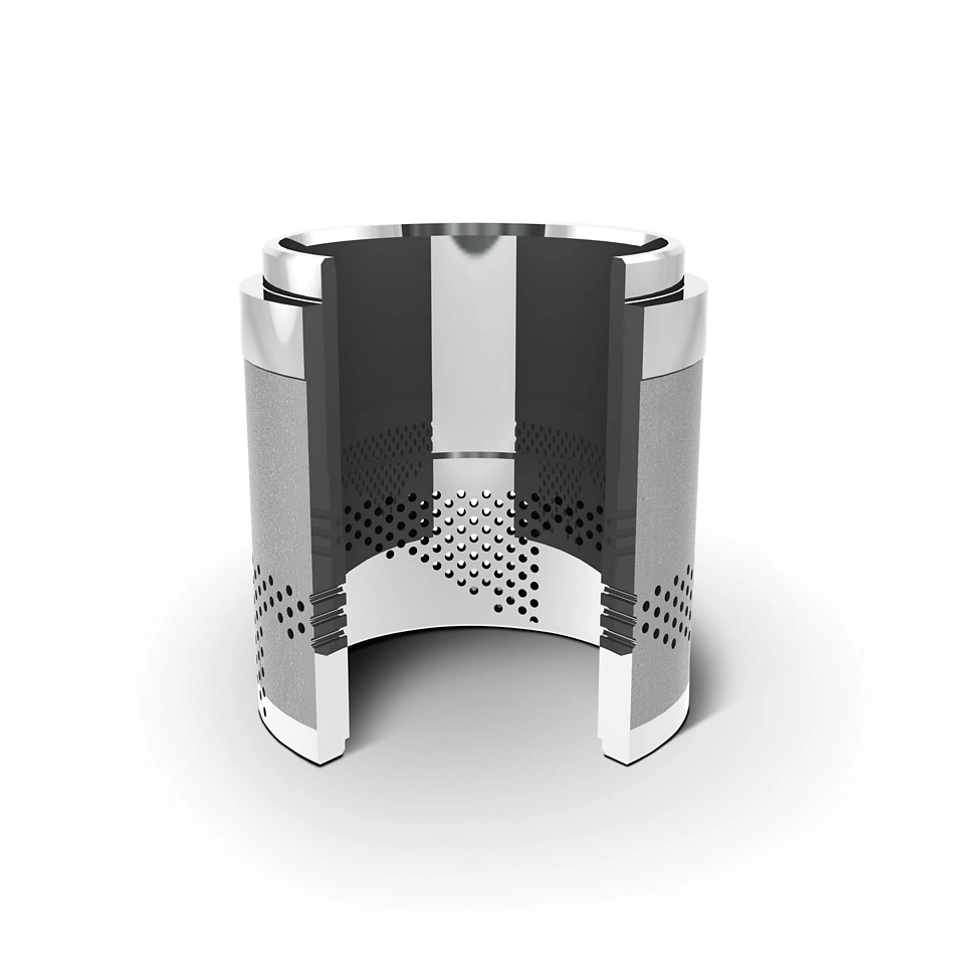
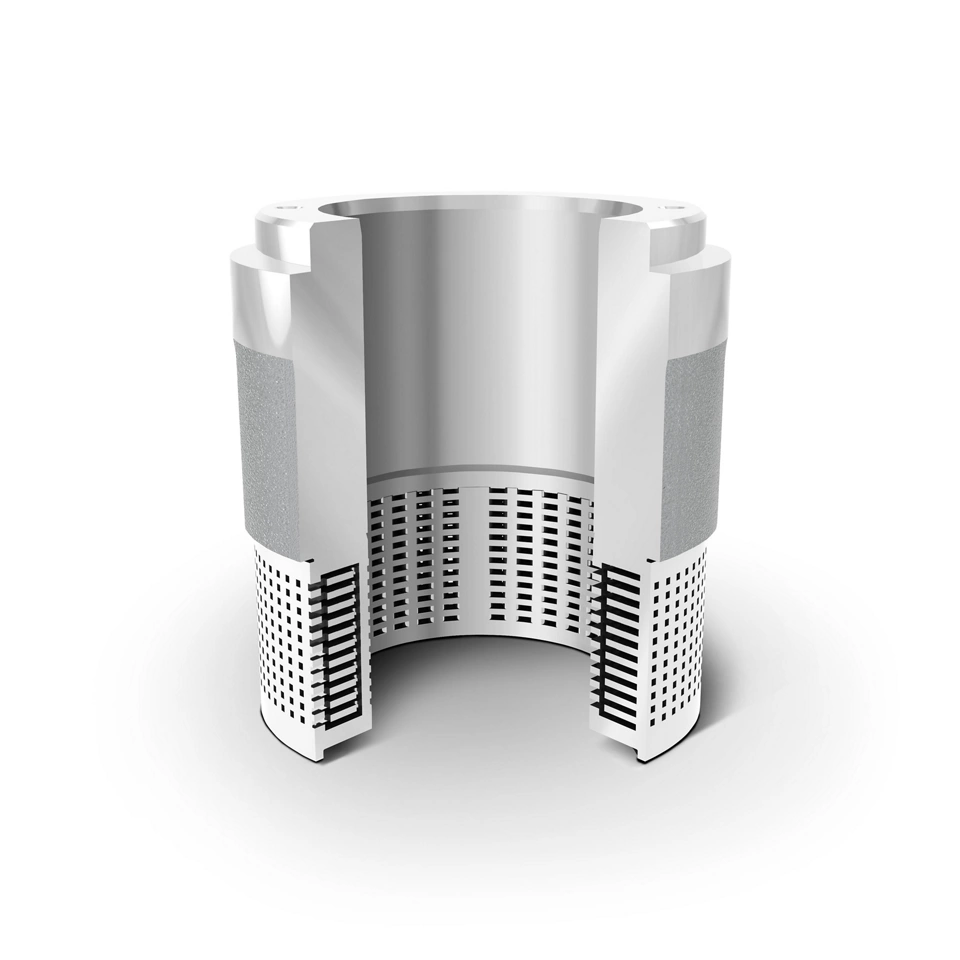
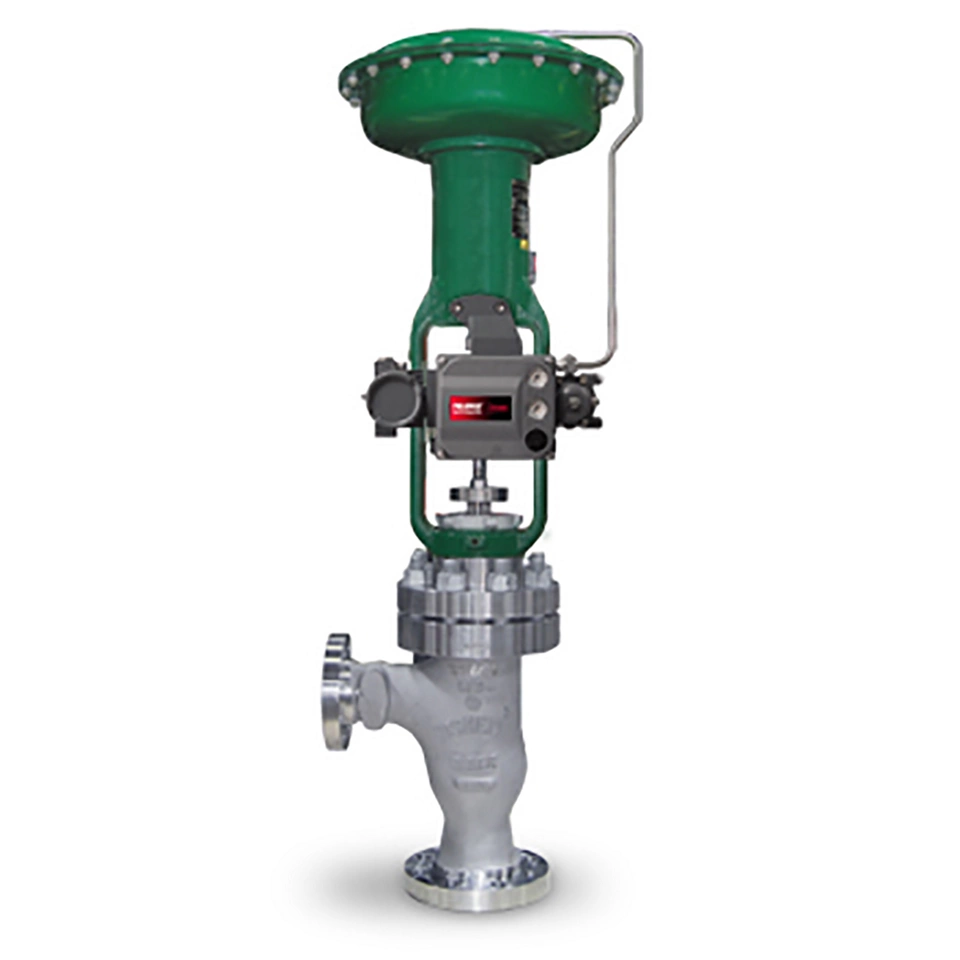
Control valve bodies can be susceptible to high-pressure drop vibration, so care is needed when choosing a design to avoid this. Plugs vibrating against cages can cause high friction and poor control valve assembly performance.
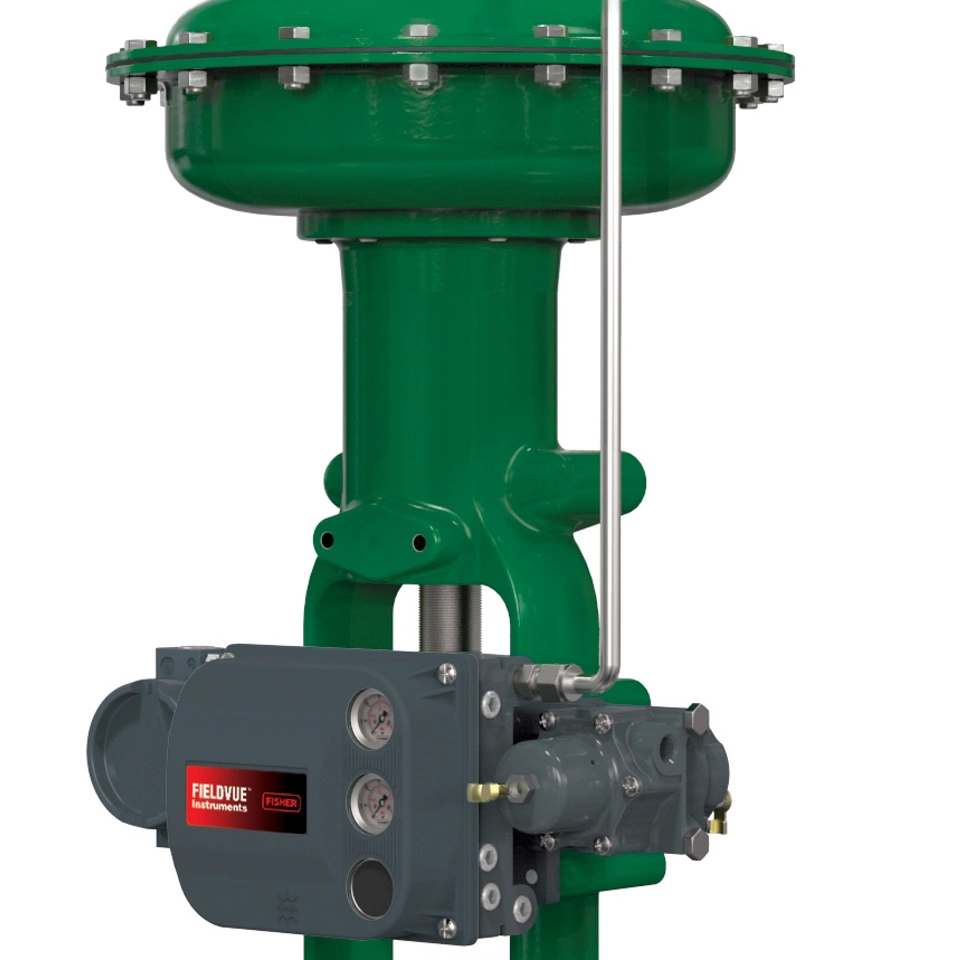
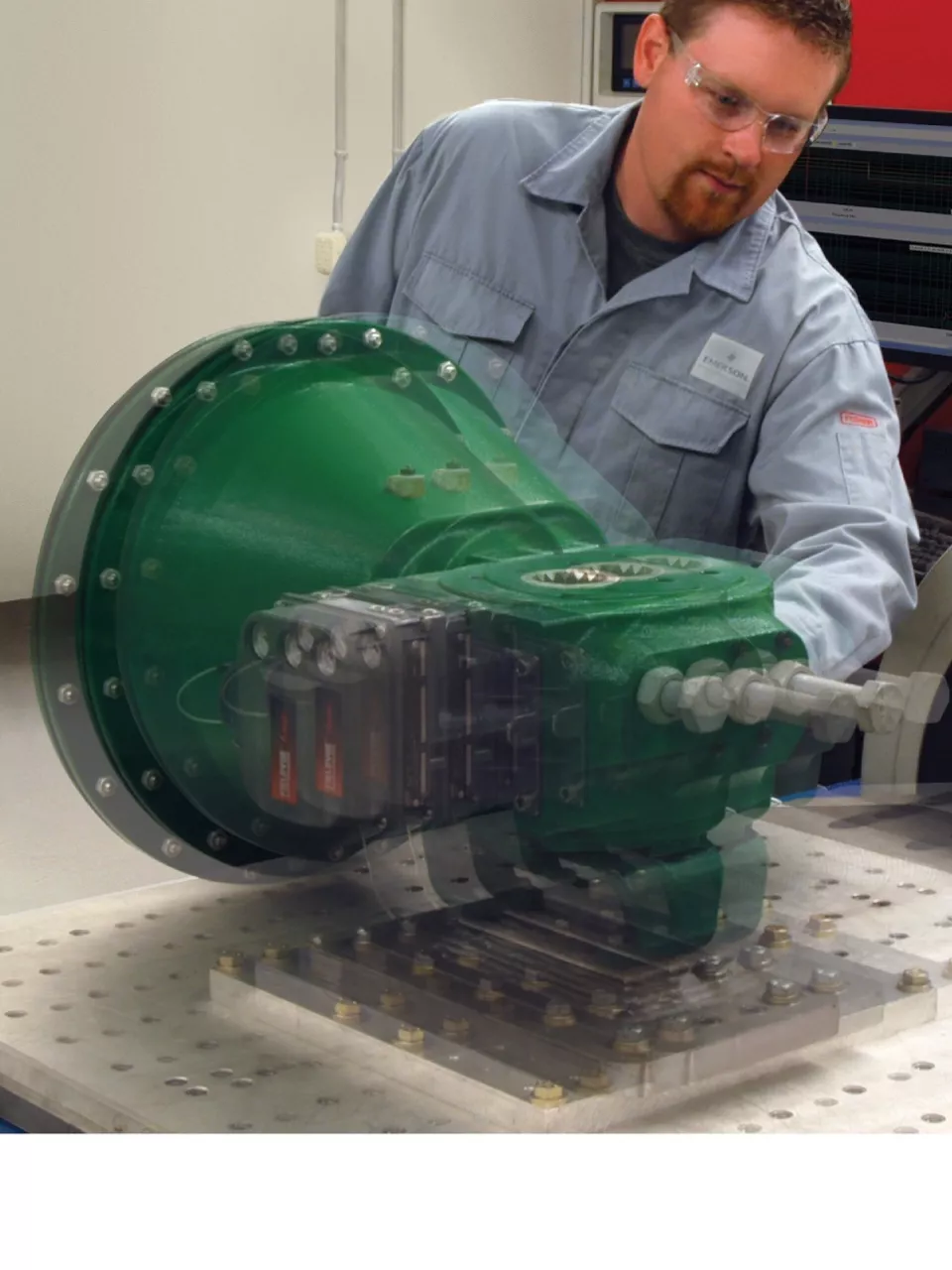
If a control valve positioner has a physical linkage to the control valve stem, it is susceptible to failure. Intense vibration may require a positioner designed with a sturdy mounting, rugged internal mechanisms, or remote mounting capability.


_9:1-1?fmt=webp-alpha&qlt=95 "Fisher™ FIELDVUE DVC6200 Digital Valve Controller")