
Emerson's final control solutions drive performance, sustainability, and compliance across key chemical processes.
The chemical industry is under pressure to achieve net-zero targets while staying competitive. Failing to address efficiency and emissions challenges can lead to increased operational costs and significant environmental impact, jeopardizing long-term sustainability and market position. Emerson empowers you with advanced valves, actuators, and regulators to modernize your operations, optimize energy usage, and reduce emissions.


Petrochemical

SIGNATURE APPLICATIONS IN PETROCHEMICAL
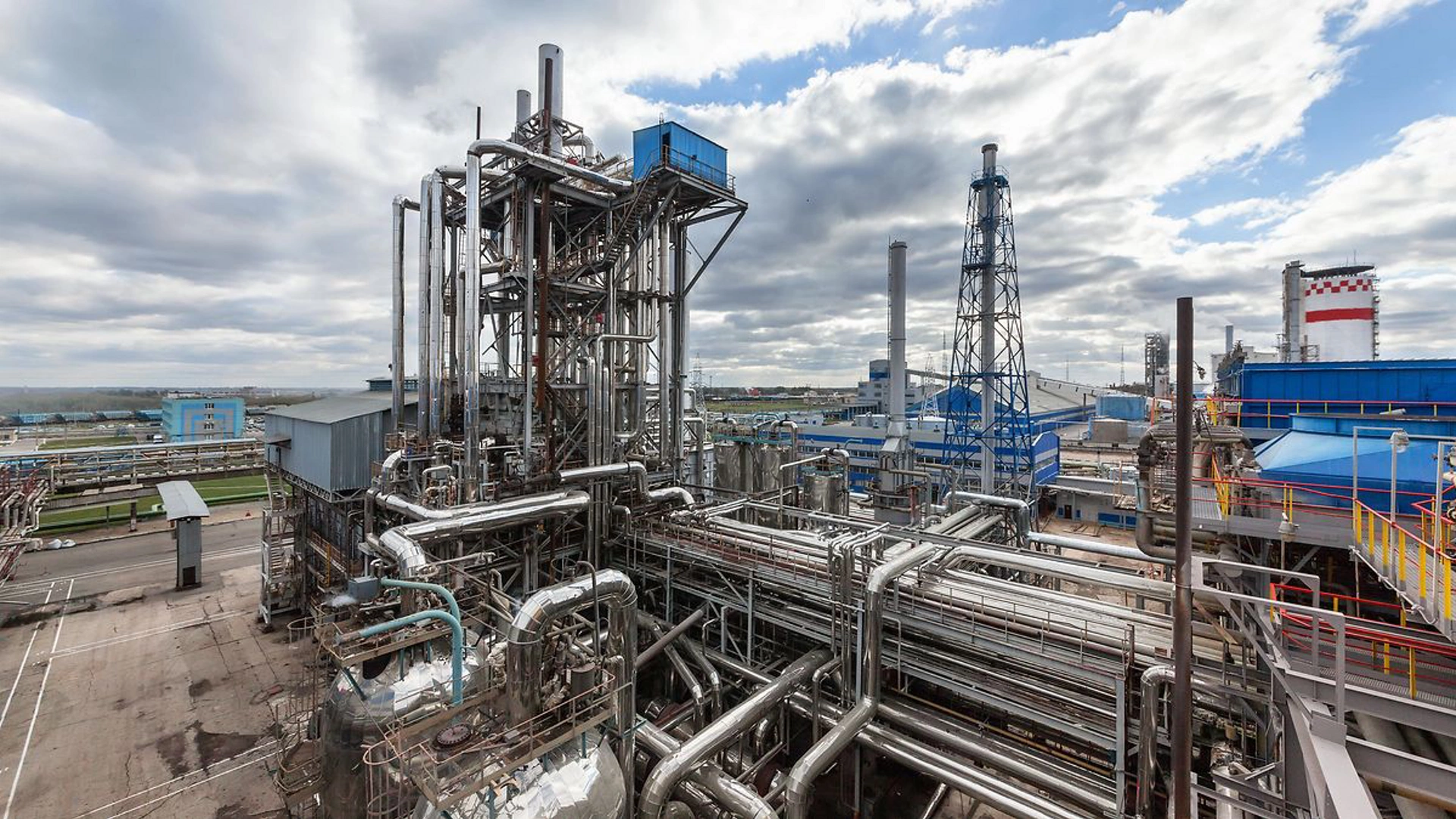
Steam Cracking Units
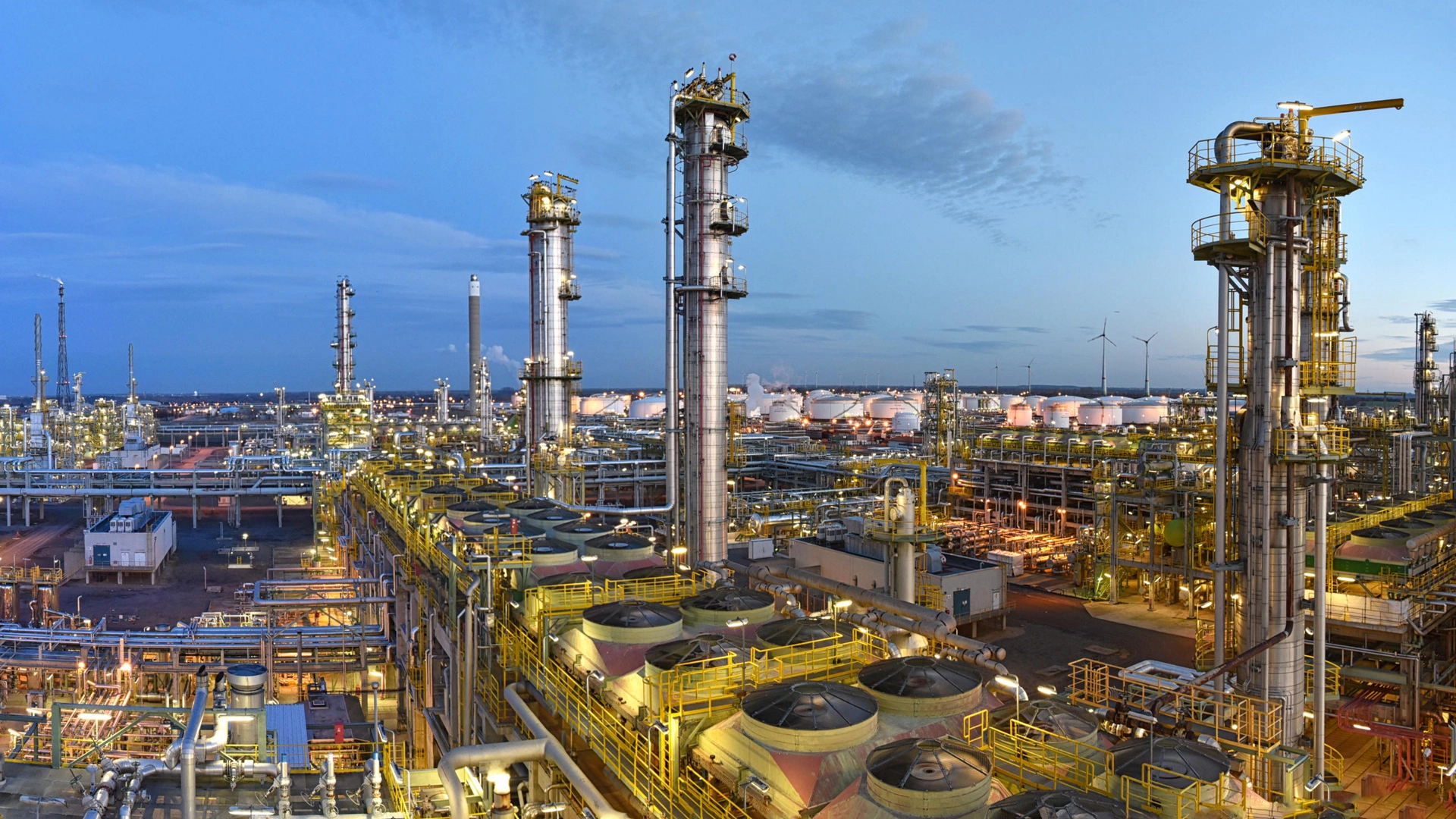
Steam cracking furnaces, operating at 800–900 °C, are among the most energy-intensive assets in chemical production. They drive high fuel consumption and significant CO₂/NOₓ emissions, while requiring precise temperature and flow control to optimize cracking yields. With Emerson’s final control solutions, operators can achieve more stable furnace operation, tighter process control, and measurable improvements in energy efficiency and emissions reduction.
SIGNATURE APPLICATIONS IN AGROCHEMICAL
Ammonia Synthesis
Ammonia production is inherently energy-intensive, requiring high pressure and temperature. Most CO₂ emissions originate from hydrogen feedstock generation via steam methane reforming, while reactors and equipment face durability issues under extreme conditions. Through Emerson’s proven final control technologies, operators gain accurate process control, improved asset reliability, and reduced overall energy and emissions intensity.
SIGNATURE APPLICATIONS IN BASIC CHEMICALS
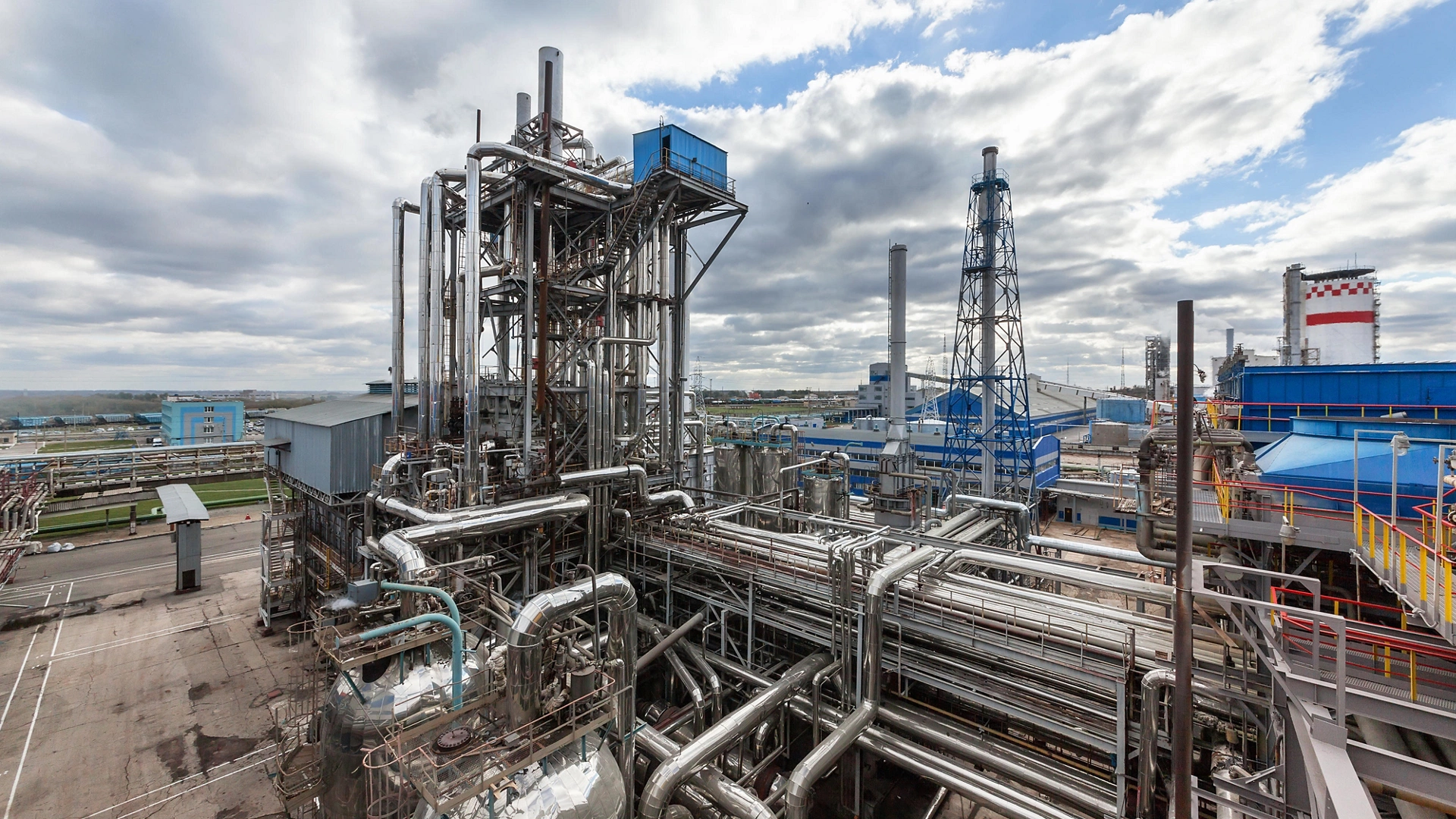
Steam Cracking Units
Steam cracking furnaces, operating at 800–900 °C, are among the most energy-intensive assets in chemical production. They drive high fuel consumption and significant CO₂/NOₓ emissions, while requiring precise temperature and flow control to optimize cracking yields. With Emerson’s final control solutions, operators can achieve more stable furnace operation, tighter process control, and measurable improvements in energy efficiency and emissions reduction.
SIGNATURE APPLICATIONS IN INDUSTRIAL GASES
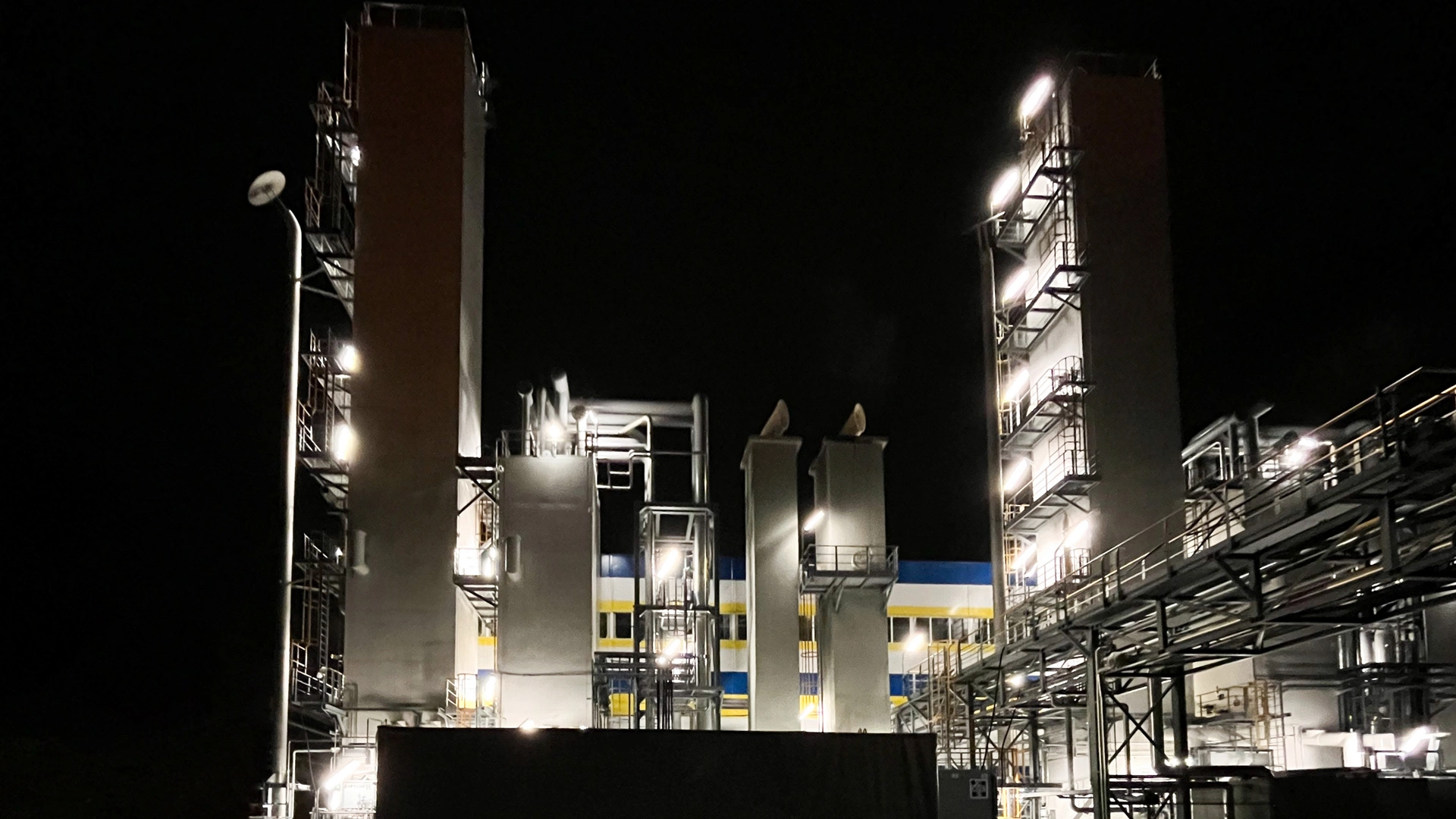
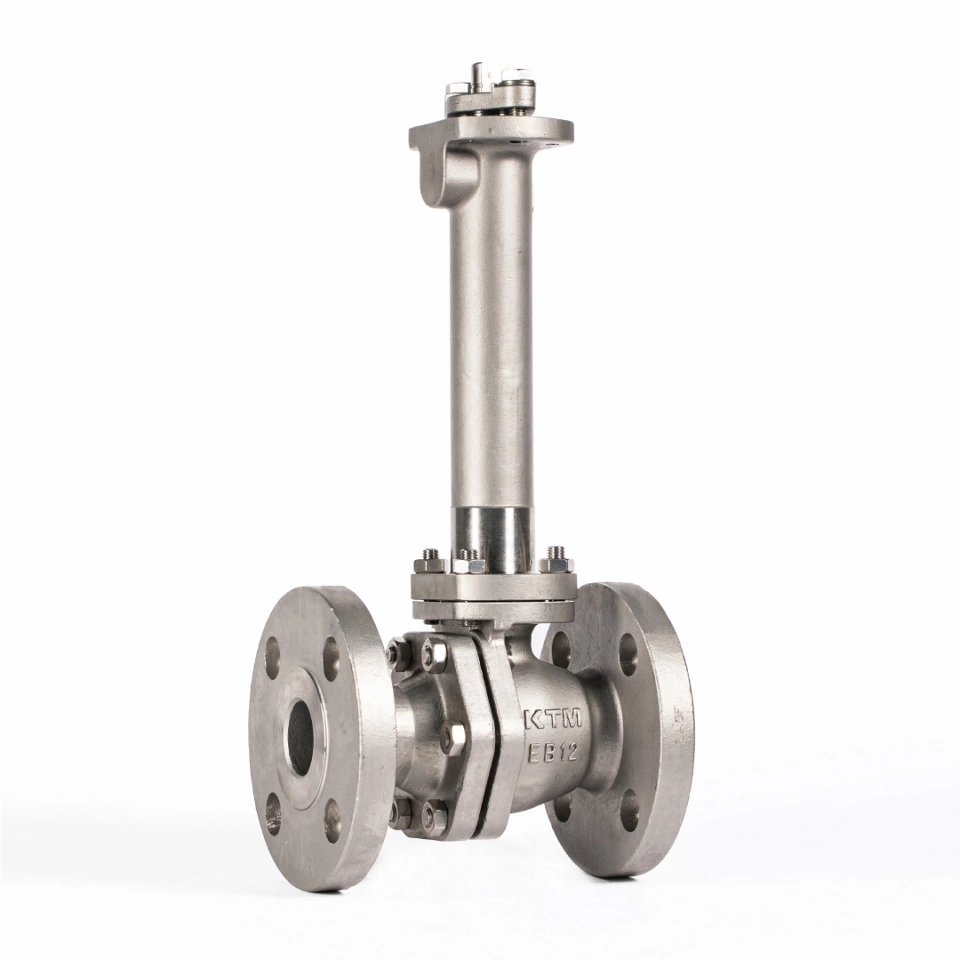
Cryogenic Air Separation Units (ASUs)
ASUs consume high levels of electricity for air compression and cryogenic refrigeration, resulting in significant indirect CO₂ emissions where power is fossil-fuel based. Their extreme operating conditions demand precision control. Emerson’s cryogenic-ready technologies ensure reliable compressor and valve performance while helping operators cut energy use and lower emissions.

Frequently Asked Questions
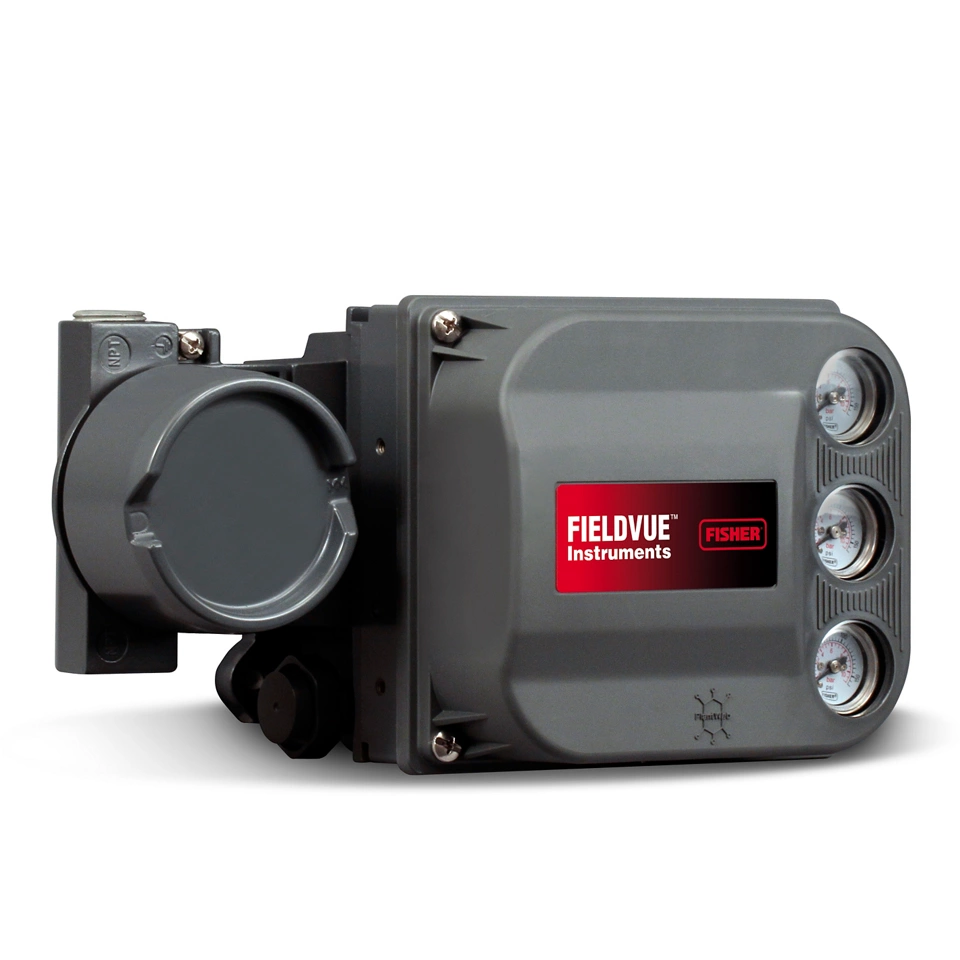
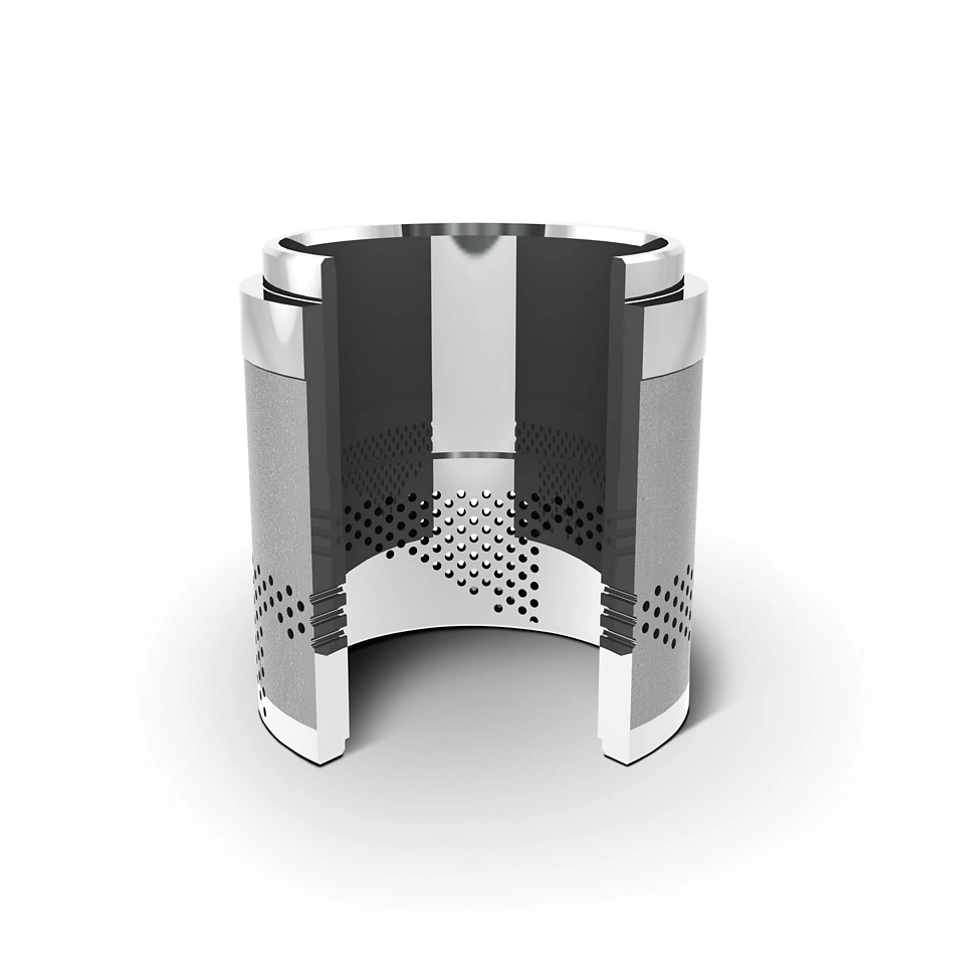
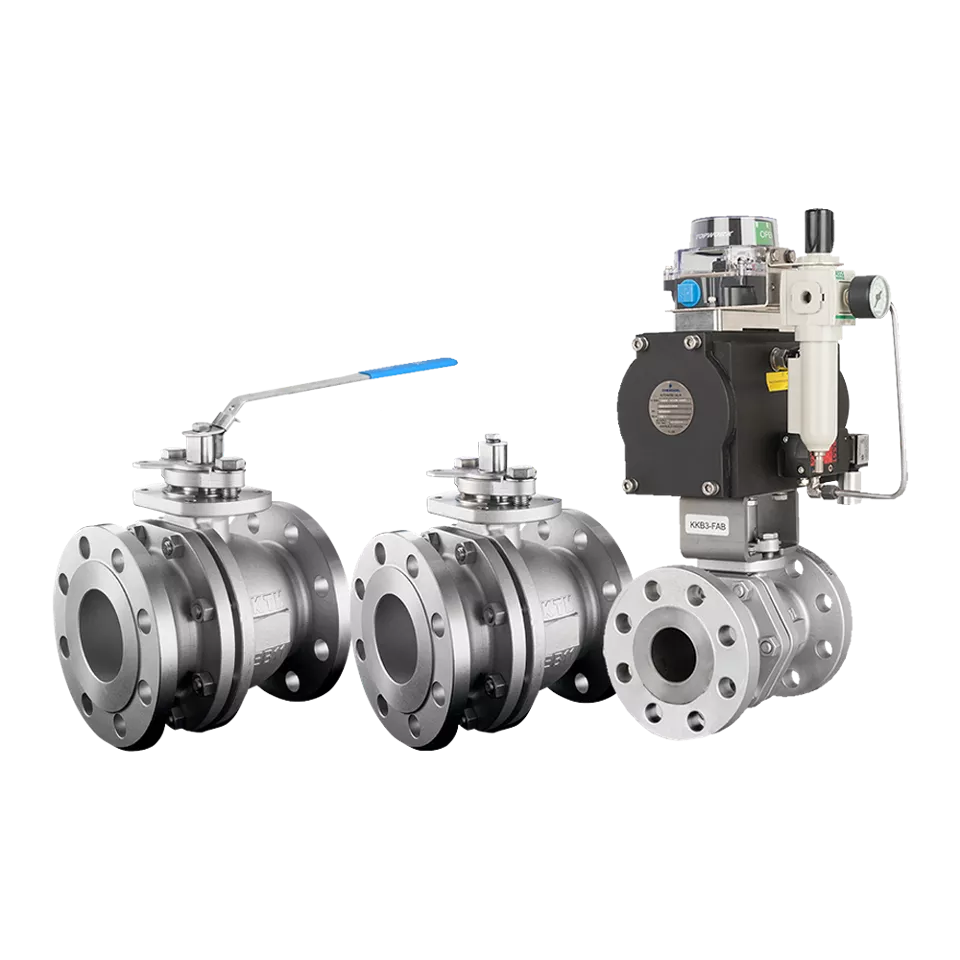
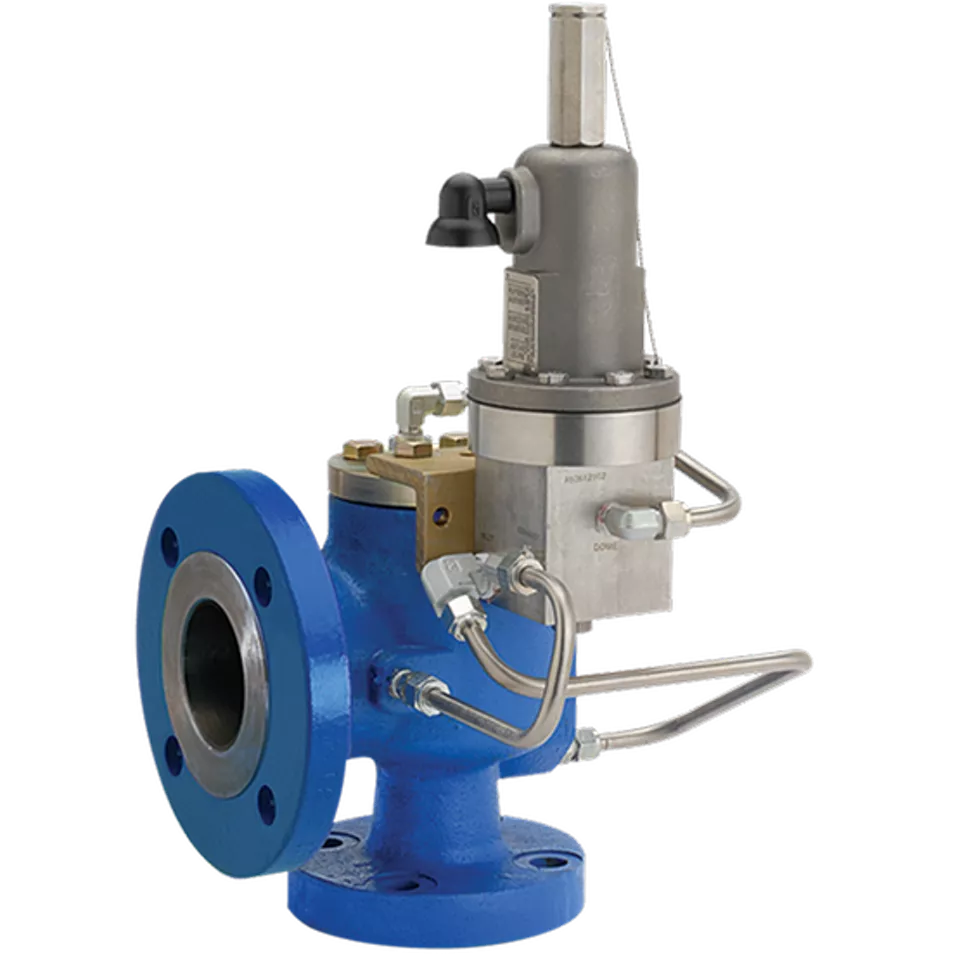
Green chemistry focuses on designing chemical processes and products that reduce or eliminate the use and generation of hazardous substances, improve energy efficiency, and minimize waste. By integrating sustainability into process design, chemical manufacturers can achieve safer operations and lower environmental impact. Examples of technologies that support green chemistry principles include low-emission control valves with ISO 15848-1 certified packing to reduce fugitive emissions (like AEV ²XC C-Ball valves and Keystone K-LOK Series 38 High-Performance Butterfly Valve), efficient and intelligent safety valves (like the True-Modulating Anderson Greenwood pilot operated safety valves type 400 & 800 ) which actually reduce emissions, and smart valve diagnostics that enable predictive maintenance and sustainable process performance (like Fisher FIELDVUE™ Digital Valve Controllers).
The chemical industry can reduce emissions through process optimization, energy-efficient technologies, the adoption of advanced control systems, and the implementation of real-time monitoring and analytics. Examples that exemplify these strategies include using triple-offset butterfly valves with ISO 15848-1 certified packing, which can significantly reduce VOC leakage by over 90%, as well as employing advanced control valves to decrease process variability, thus minimizing off-spec emissions.
Enhanced energy efficiency leads to lower operational costs, decreased environmental impact, improved competitiveness, and compliance with regulatory standards, while also contributing to overall sustainability goals. Examples of valve solutions that facilitate energy efficiency include Steam Trap Monitoring Valves, which mitigate energy losses in steam systems; Pressure Reducing Valves, which enhance boiler and reactor efficiency by maintaining optimal pressures; and High-Performance Control Valves, which decrease pump energy use through precise flow and pressure management.
Industrial control valves regulate process variables such as flow, pressure, and temperature by automatically adjusting the passage of fluids—whether gases, steam, or liquids—according to control signals from automation systems. This ensures stable operations, consistent product quality, and optimal energy use across chemical processes.
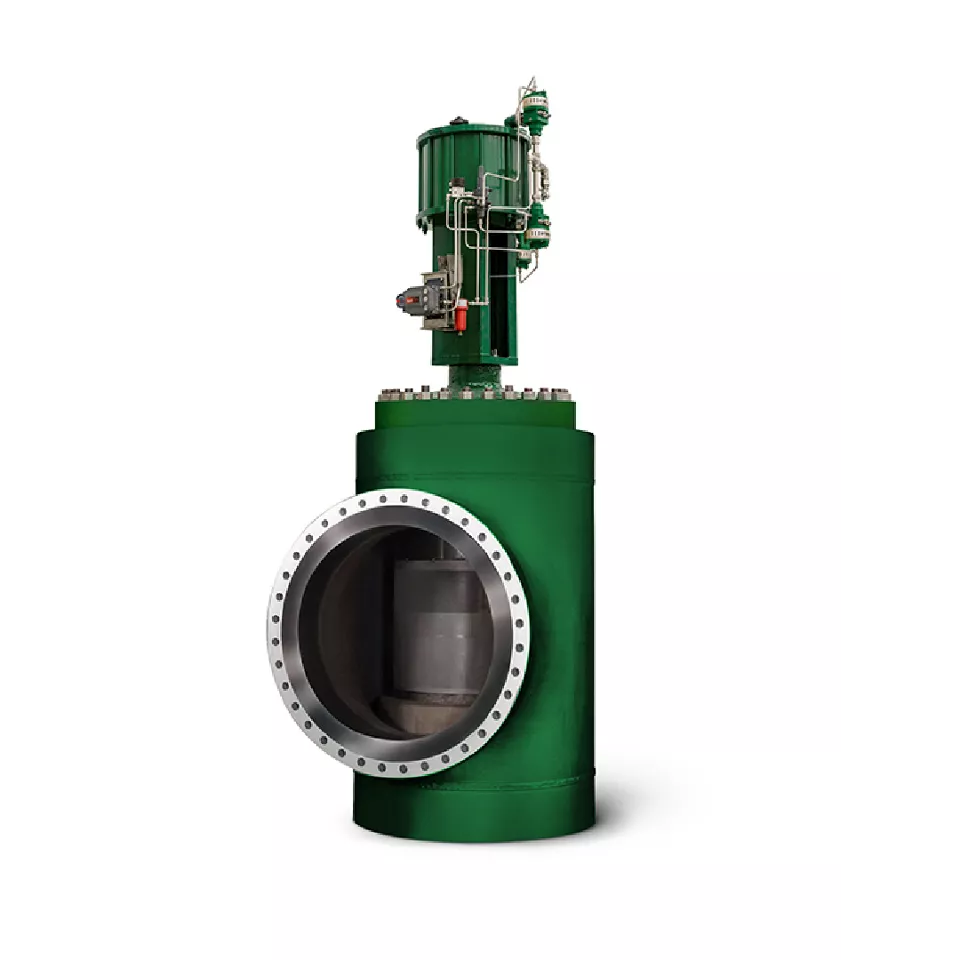
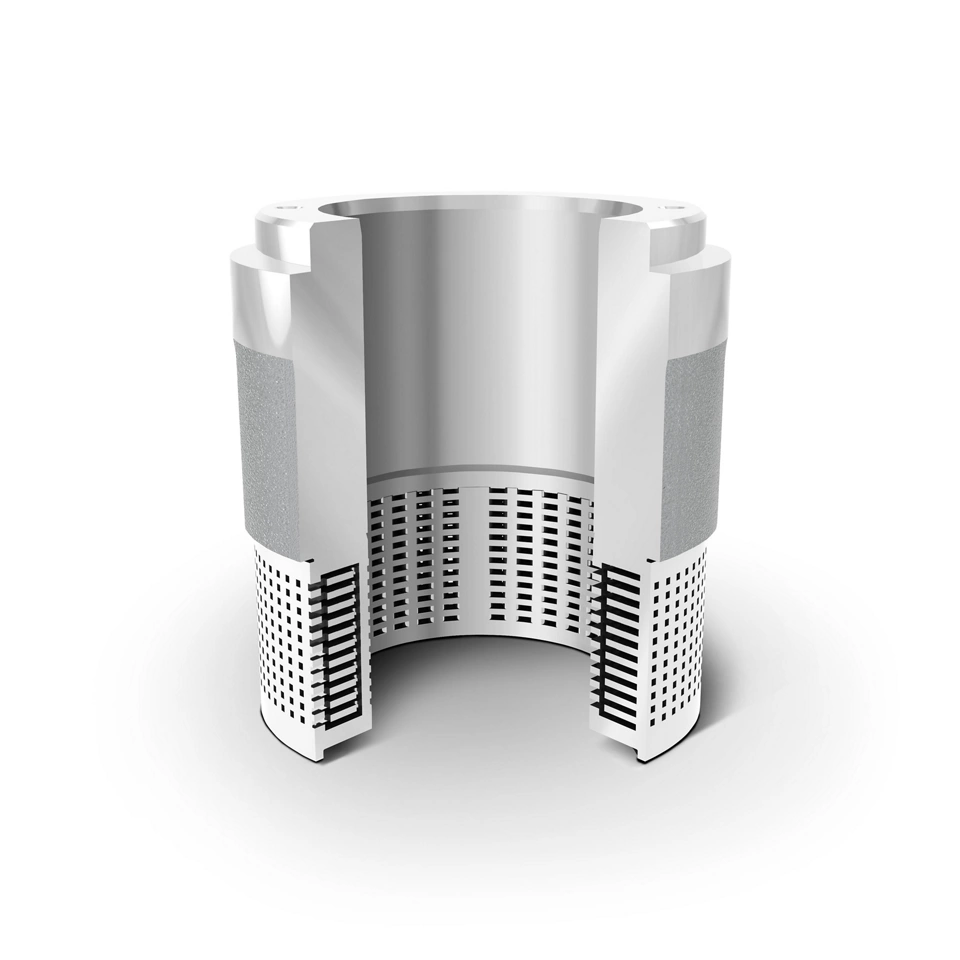
Examples of valve solutions that enable precise and efficient control include Fisher™ control valves with FIELDVUE™ digital valve controllers for advanced diagnostics and modulation, segmented ball valves for handling viscous media, and severe service valves designed for high-pressure and high-temperature applications that demand reliability and performance (like Fisher™ Cavitrol™ III Trim).
Control valves regulate flow rates, pressures, and temperatures, ensuring process stability and efficiency. They are critical in maximizing throughput, reducing waste, and improving energy consumption. Examples of valve applications include globe control valves equipped with smart positioners, like the Fisher DVC7K for precise modulation; Severe Service valves suited for applications with high-pressure drops, such as turbine bypass; and Segmented Ball Valves designed for slurry or viscous media to optimize flow without blockage.
Real-time emissions monitoring helps facilities detect and address emissions issues promptly, ensuring compliance with environmental regulations, improving air quality, and mitigating the plant's environmental footprint. Data-Driven Decision-making facilitates accurate reporting, supported by valves integrated into emissions monitoring systems to obtain representative samples. Moreover, isolation and control valves with low-emission packing are employed to prevent leaks.
Common challenges include the high cost of technology adoption, the complexity of retrofitting existing systems, potential disruptions to production processes, and the need for skilled personnel to manage advanced systems. Modular Skid Systems, featuring pre-integrated valves and instrumentation, offer a solution by minimizing installation costs and complexity.
Digitalization plays a significant role in advancing sustainability in chemical manufacturing by enabling improved data collection and analysis, facilitating predictive maintenance, optimizing resource usage, and enhancing operational transparency. These elements contribute to more sustainable and efficient operations. Valve solutions that support digitalization include Smart Control Valves fitted with diagnostics, such as Emerson Fisher FIELDVUE, which monitor performance and detect issues early, and Digital Positioners that optimize valve movement for energy-efficient control.