


What are Slurry Valves?
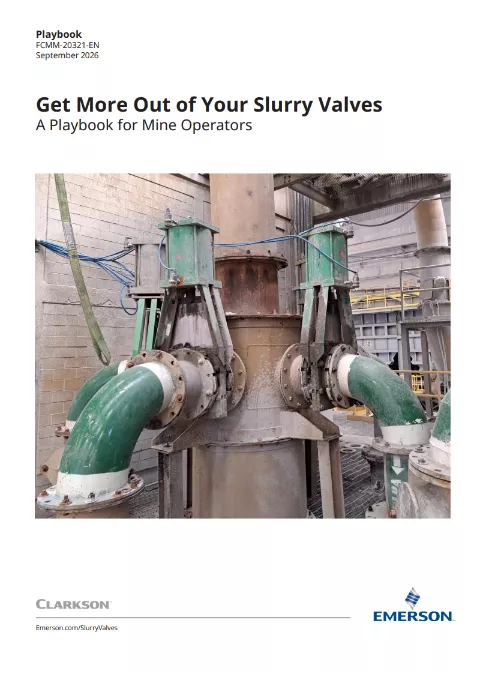
Slurry valves are industrial isolation valves specifically designed to handle abrasive, high-solids fluid mixtures , known as slurries, that would quickly damage standard valves. Slurries typically contain a mix of liquid (usually water) and suspended solids such as mineral ore, tailings, cement or chemical particles, ranging from fine powders to coarse chunks.
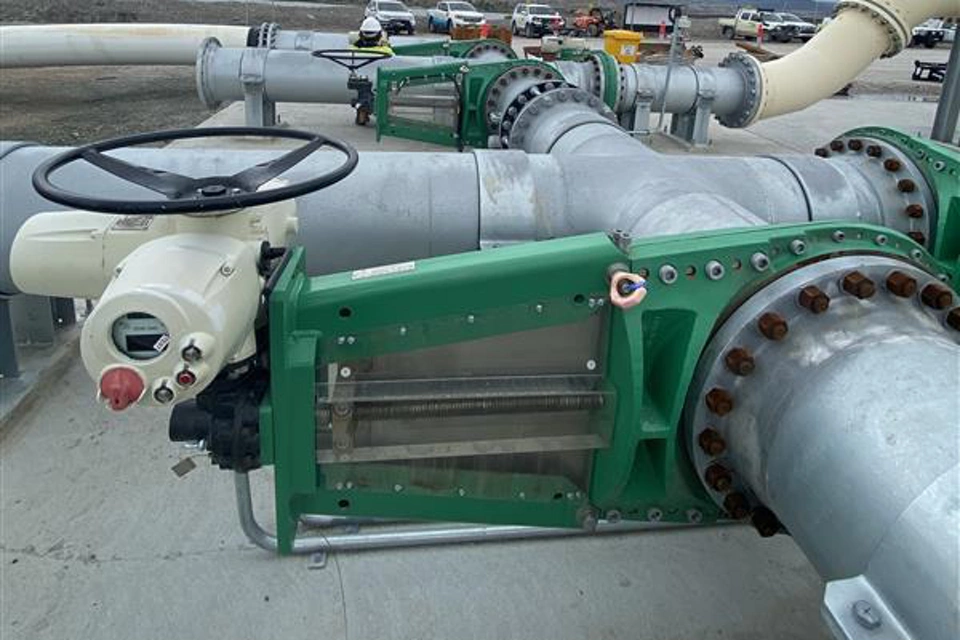
To withstand this corrosive service, slurry valves are engineered with specialized features like:
•full-round ports
•replaceable elastomer or polyurethane liners
•reinforced wear components.
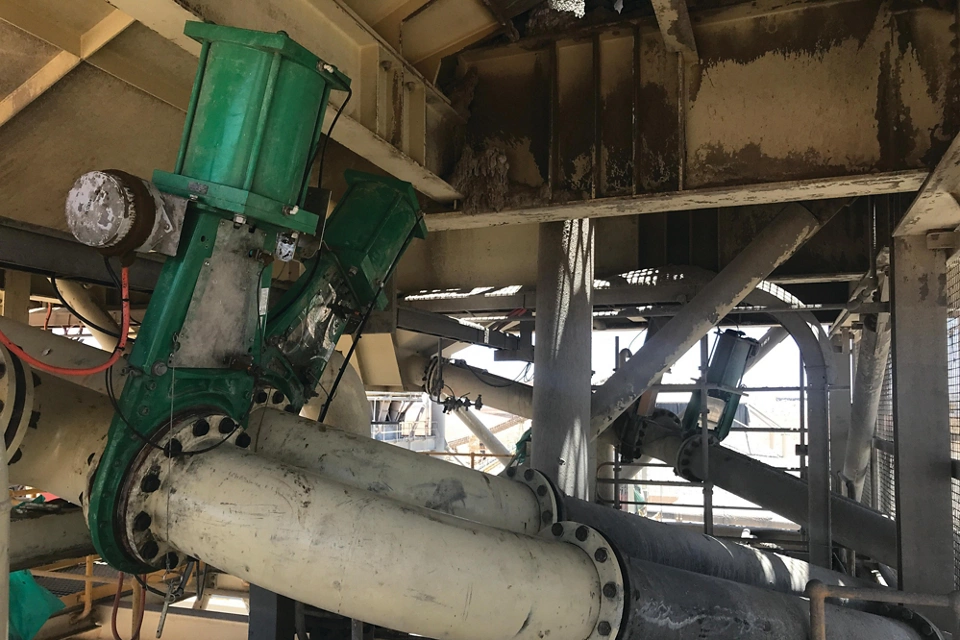
Slurry valves are used in mining, mineral processing, power generation, pulp and paper, water treatment and chemical industries.
How do you select slurry valves?
Selecting the right slurry valves should be adjusted to match the application and meet the reliability requirements of the site.
Applications for Slurry Valves
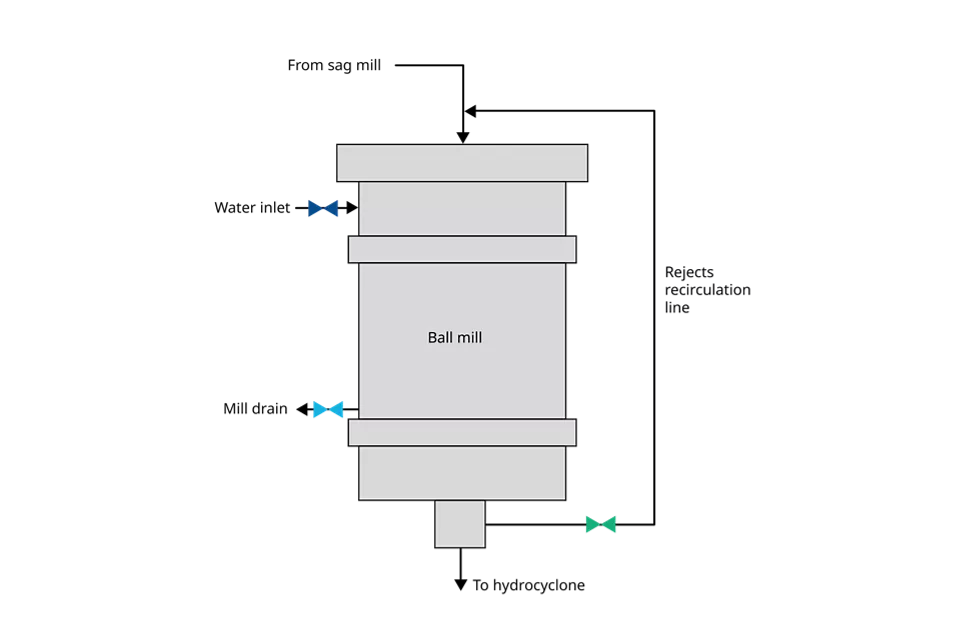
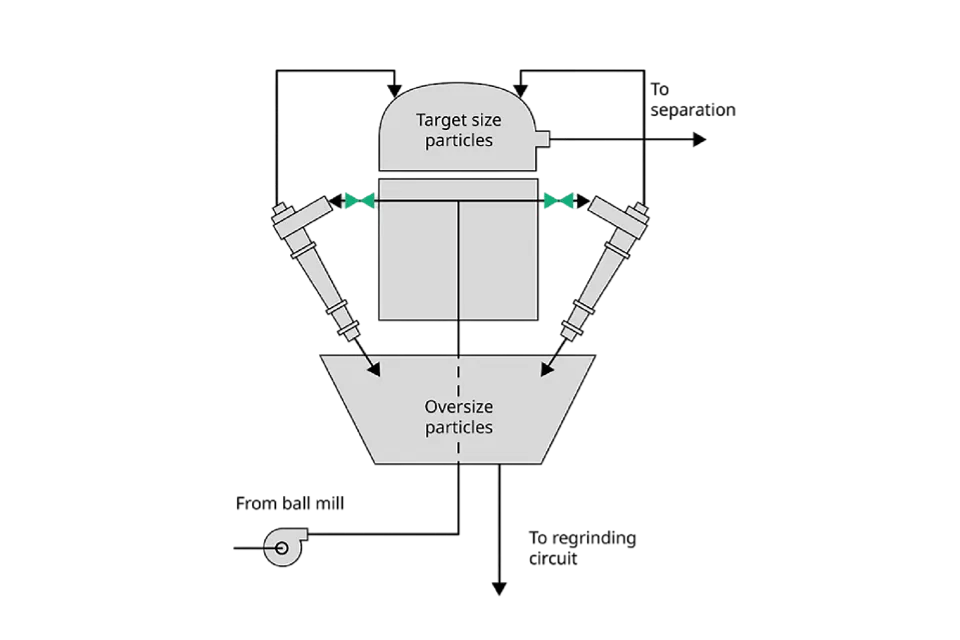
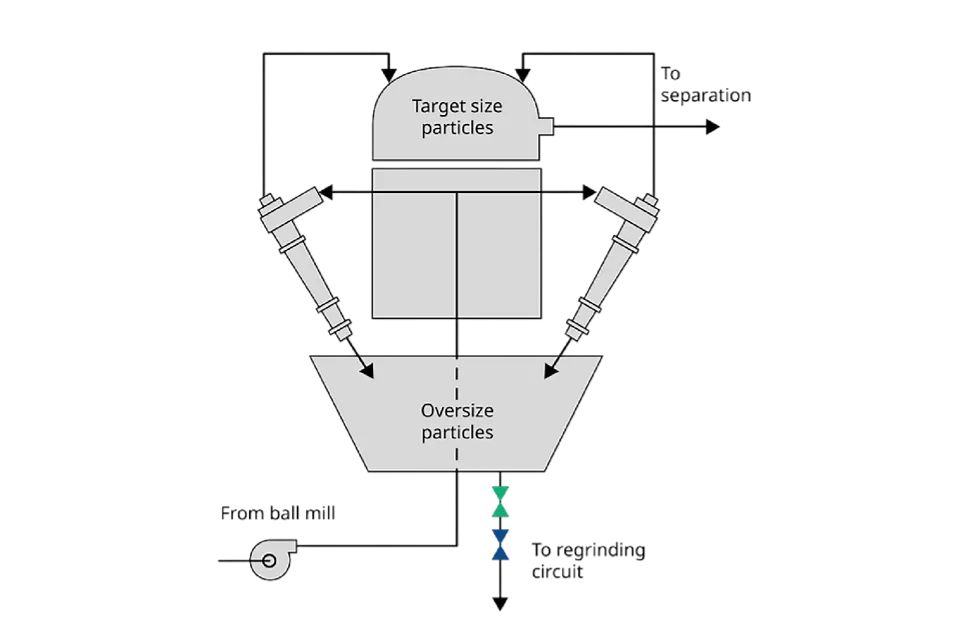


Frequently Slurry Valves Asked Questions
Yes, when properly specified, slurry valves can deliver 100% bubble-tight isolation with zero downstream leakage. This is achieved through engineered design features such as precision-molded elastomer seats with increased contact area, patented gate-edge sealing systems that prevent leakage through the top of the valve and double-seated bi-directional designs that maintain sealing integrity regardless of flow direction. Emerson's Clarkson knife gate valve portfolio is specifically engineered to deliver enduring zero-leakage performance across light, heavy, and severe slurry service.
Slurry valves lower total cost of ownership by cutting downtime, replacements, and lost throughput. Replaceable wear parts, full-round ports, and long-life sealing extend service intervals, while reliable isolation protects downstream equipment, meaning fewer maintenance events and more predictable production than standard valves that fail early.
Choose a specialist slurry valve manufacturer that engineers valves specifically for abrasive, high-solids media, with full-round ports, replaceable liners and purpose-built sealing. General valve suppliers often adapt standard valves that wear out in months, driving up maintenance costs and downtime.