

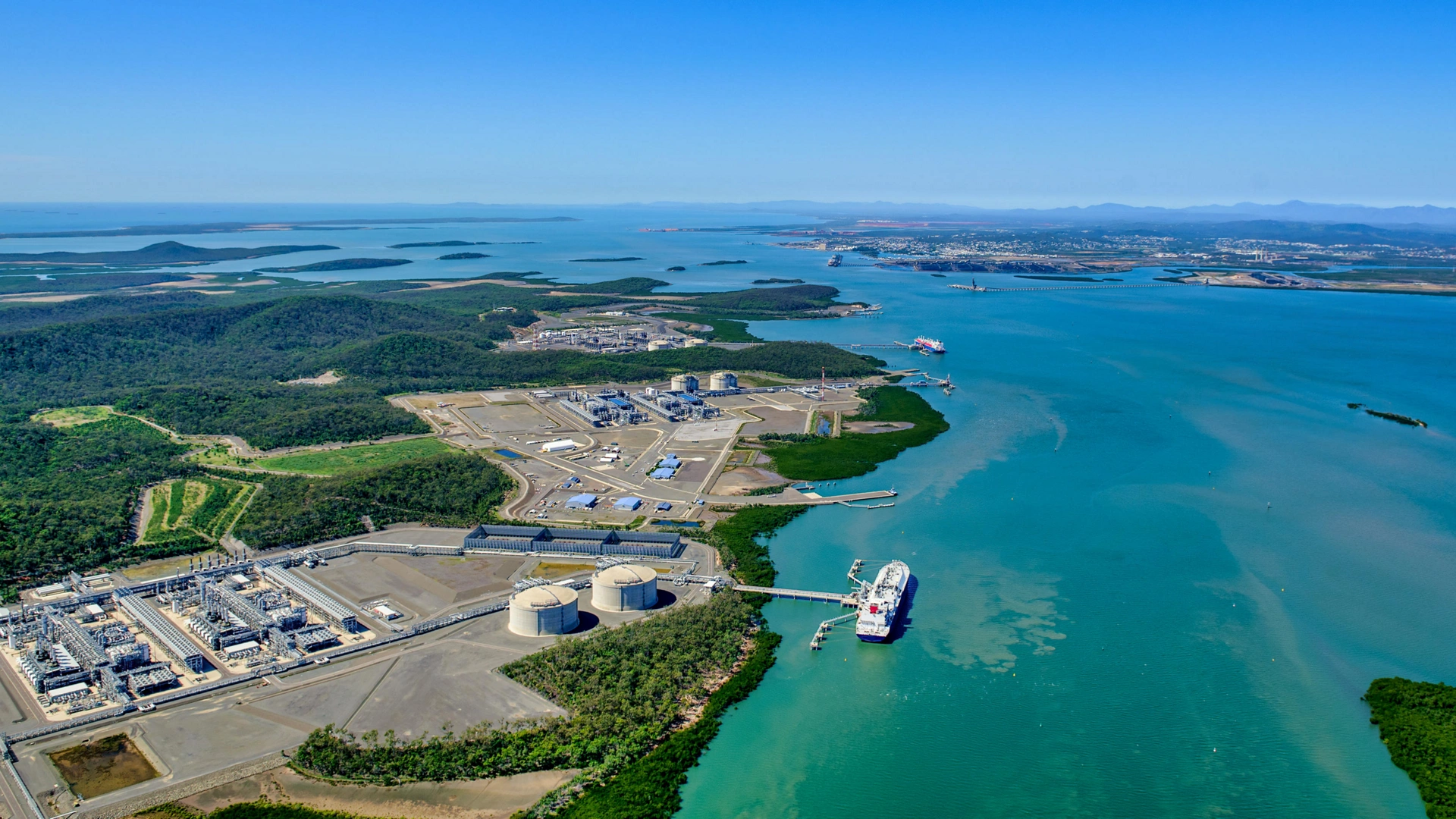
Des vannes pour GNL qui conduisent à la réussite du client
Emerson domine le marché grâce à la gamme la plus vaste de vannes, d’actionneurs et de détendeurs dotés de technologies d’isolement et de contrôle critiques. Axées sur l’avenir, les solutions d’Emerson s’appuient sur la puissance des innovations basées sur des données pour réduire les émissions, améliorer la fiabilité des équipements et améliorer la sécurité de l’installation, menant à terme à des économies de coûts et l’excellence opérationnelle.
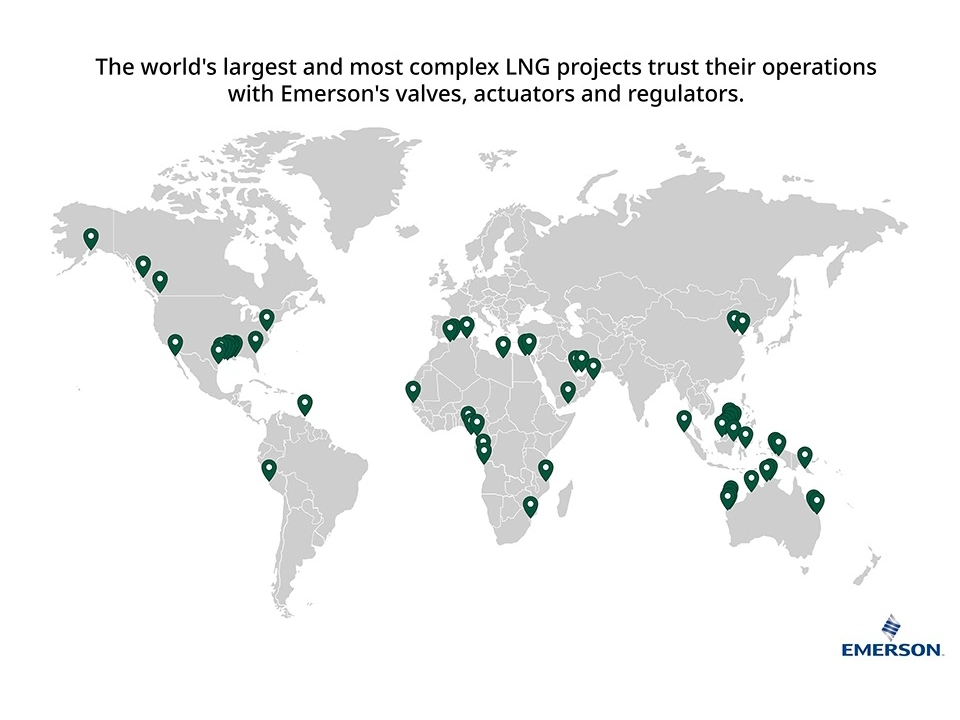
Plus de 70 % de la production mondiale de GNL passe par les vannes d’Emerson
Les installations de GNL du monde entier font confiance à nos vannes, détendeurs et actionneurs :
- GNL flottant de cèdre
- GNL Cameron
- GNL de Calcasieu
- GNL de Plaquemines
- GNL Azul Energia Costa
- GNL de l’Atlantique
- GNL Pérou
- Shell LNG
- Oman LNG
- 14 trans GNL existants QatarEnergy
- Coral South FLNG
- Petronas FLNG
- GNL Wheatstone
- GNL Pluto
- GNL de Papouasie-Nouvelle-Guinée
- GNL de Brunei
- QatarEnergy NFE/NFS
- GNL Canada
- GNL Golden Pass
- GNL de Port Arthur
- GNL Rio Grande
- GNL Gorgon
- GNL Snohvit
- Angola LNG
- GNL de Tianjin Nangang
- Prelude FLNG
- Congo FLNG
Le GNL est complexe et nécessite une réflexion novatrice et des solutions créatives pour surmonter les températures et les pressions extrêmes. Les experts d’Emerson travaillent avec les opérateurs d’installations de liquéfaction, de supports et de bornes de regazéification pour mettre en œuvre des produits avancés nécessaires à l’évolution de ce secteur.
Notre cadre de projets optimisés est un processus simple et reproductible pour les accords commerciaux qui réduit les risques, permet de réaliser des économies sur le coût total de possession et respecte les délais. Nous apportons une valeur ajoutée grâce aux services d’ingénierie, depuis les premières étapes de la planification du projet jusqu’à l’ingénierie préliminaire, la gestion de projet, l’intégration des produits et systèmes, la fabrication, la mise en œuvre, le démarrage, les tests et l’assistance continue.
Nous proposons une approche globale pour améliorer de manière proactive la résilience de notre réseau d’approvisionnement.
Conception axée sur l’approvisionnement
- Limiter le nombre d’assemblages comportant des composants spécialisés
Communication de crise
- Communications solides en interne sur les délais d’exécution & les variations de la demande
Développement des talents et des compétences
- Partenariat solide avec les universités
- Mentorat et coaching de carrière
- Un contenu solide de formation et de développement des compétences
Gestion des relations avec les fournisseurs
- Déploiement du manuel de la qualité des fournisseurs
- Escalade agressive des fournisseurs sur les allocations et les calendriers de livraison
Régionalisation
- Régionalisé à plus de 80 %
- Développement des fournisseurs au Mexique et en Europe de l’Est
Opérations numériques
- Procédés Système automatique de protection antidébordement robustes
- Suivi financier et des risques
- Agilité opérationnelle grâce à l’automatisation
Flexibilité du réseau logistique
- Connectivité du système d’entreprise
- Visibilité du transit au niveau des pièces et des PO
Approvisionnement multi-sources
- Capacité de redondance en usine pour la plupart de tous les produits
- Plusieurs sources d’approvisionnement dans différentes régions pour réduction des risques
Avec plus de 160 centres de services régionaux et 80+ centres de services mobiles dans le monde entier, nos experts ne sont jamais loin de s’associer à vous face à l’évolution des conditions du marché et de fonctionnement.
Des solutions en action : vannes, actionneurs et détendeurs pour l’ensemble de la chaîne de valeur du GNL
Solutions d’entrée d’alimentation et séparation
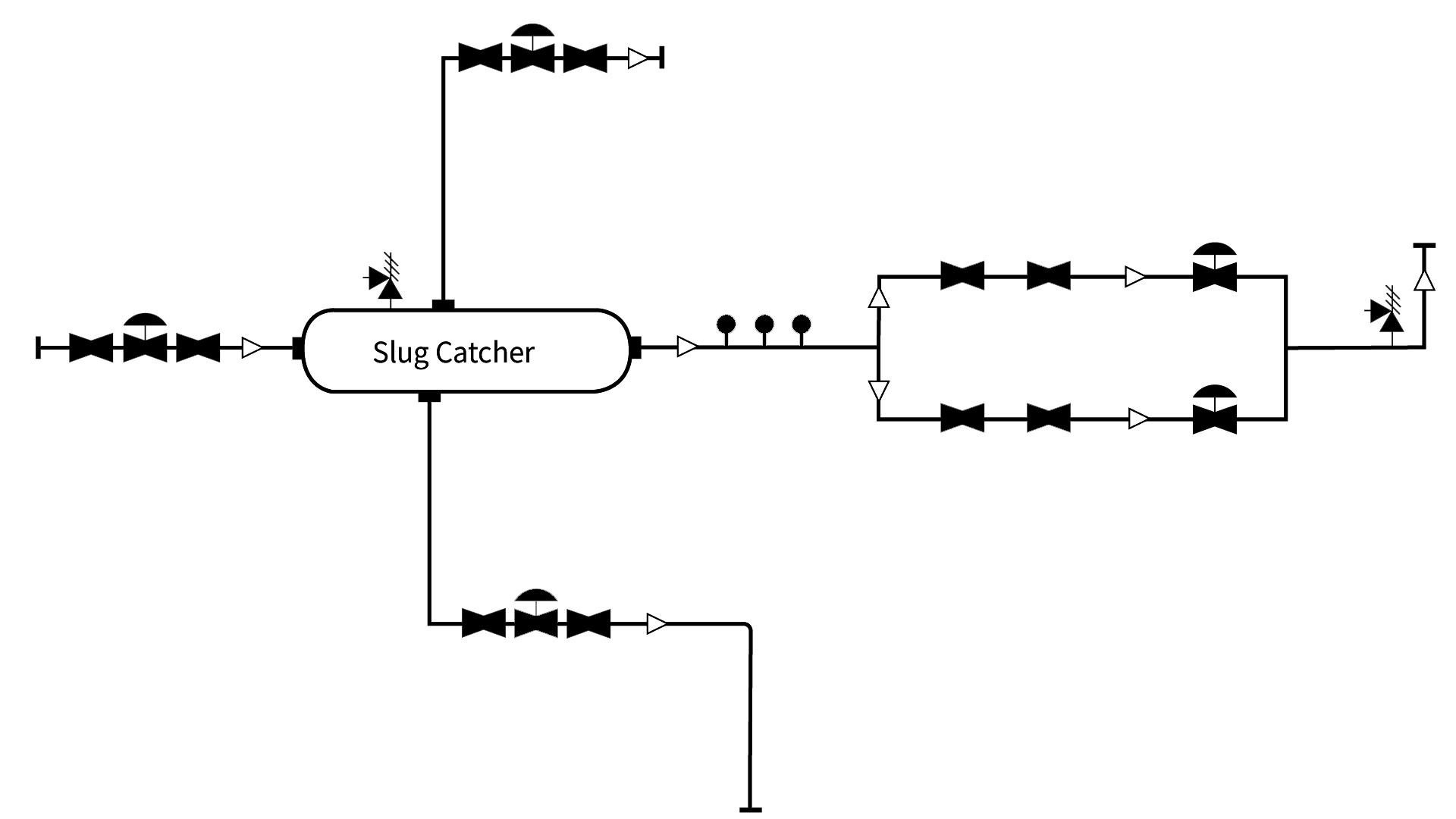
Les installations de réception à l’entrée éliminent les liquides présents dans le gaz d’alimentation, réduisent la pression du gazoduc et limitent l’écoulement de gaz dans les unités de traitement en aval. Un fonctionnement stable et fiable est essentiel pour garantir une production de GNL rentable, car une maintenance inattendue ou des défaillances peuvent entraîner des pénalités importantes.
Nos valeurs :
- Optimiser la récupération des condensats afin d’éviter l’introduction de liquides dans le processus de traitement en aval
- Améliorer l’utilisation de l’énergie
- Assurer le temps de disponibilité grâce à une redondance opérationnelle à 100 %
- Augmenter le rendement
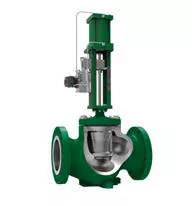
Vanne de décharge de pression Fisher™
Fournir le débit approprié dans l’installation.
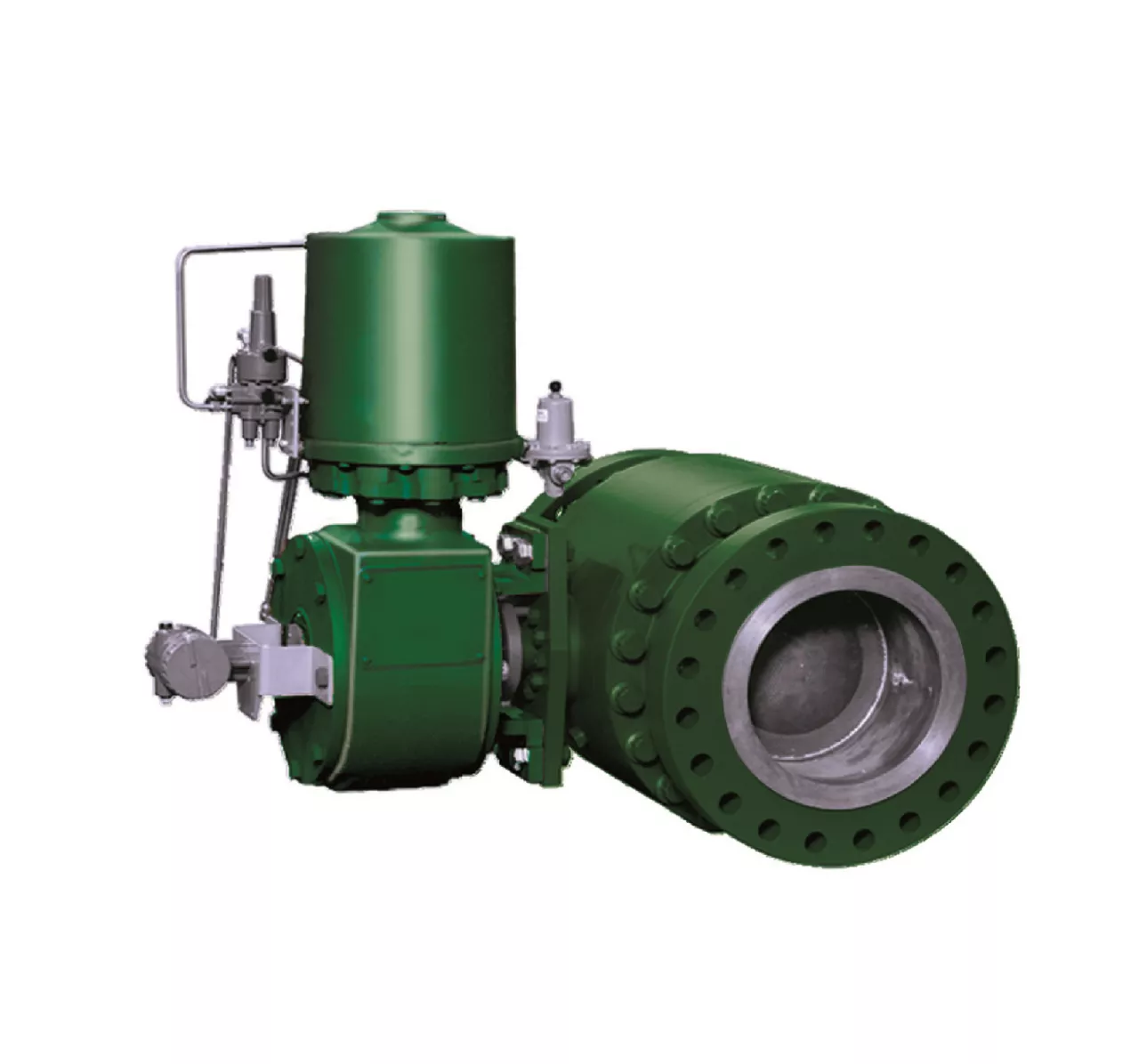
Vanne d’entrée du récupérateur de bouchons Fisher™
Appliquez la pression finale avant que le liquide n’entre dans le récupérateur de bouchons et commence la séparation.
Vannes d’isolement de gaz d’alimentation KTM™
Isolez le gaz d’alimentation de manière fiable grâce à des solutions de vannes entièrement automatisées.
Solutions d’échangeur de chaleur cryogénique principal
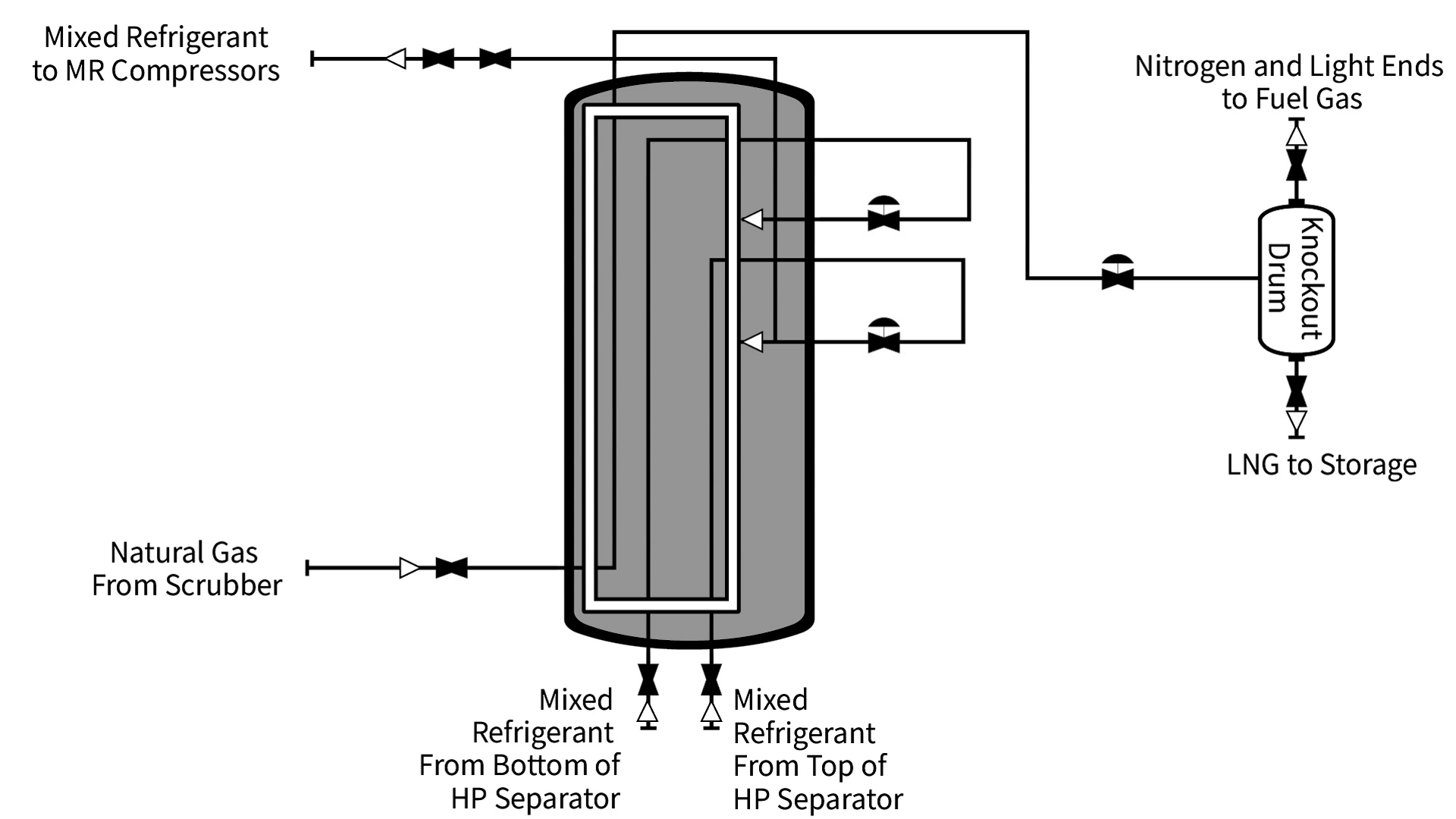
L’échangeur de chaleur cryogénique principal (MCHE) constitue le cœur des installations de liquéfaction. Il liquéfie le gaz naturel puis le sous-refroidit. Le MCHE est composé d’un grand nombre de faisceaux de tubes enroulés en spirale. Lorsque le gaz d’alimentation sort par le haut du MCHE, il se liquéfie car la température a été réduite à environ -146 °C (-231 °F).
Nos valeurs :
- Maintien d’une circulation optimale du débit de réfrigérant
- Réduire la consommation d’énergie lorsque l’alimentation est restreinte
- Produire plus de GNL avec des éléments de contrôle de haute précision qui permettent un contrôle optimal
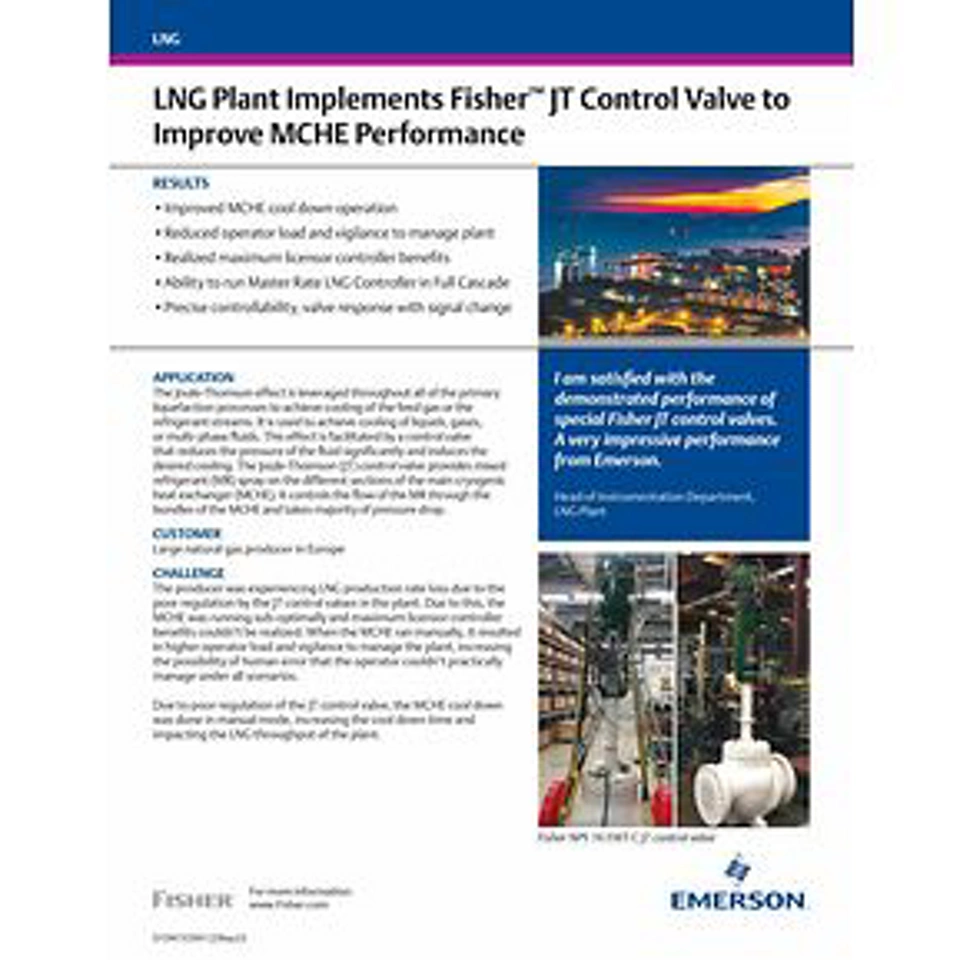
Vanne de régulation Fisher Joule-Thomson
Utiliser la perte de charge pour refroidir les liquides, les gaz ou les fluides multiphases.
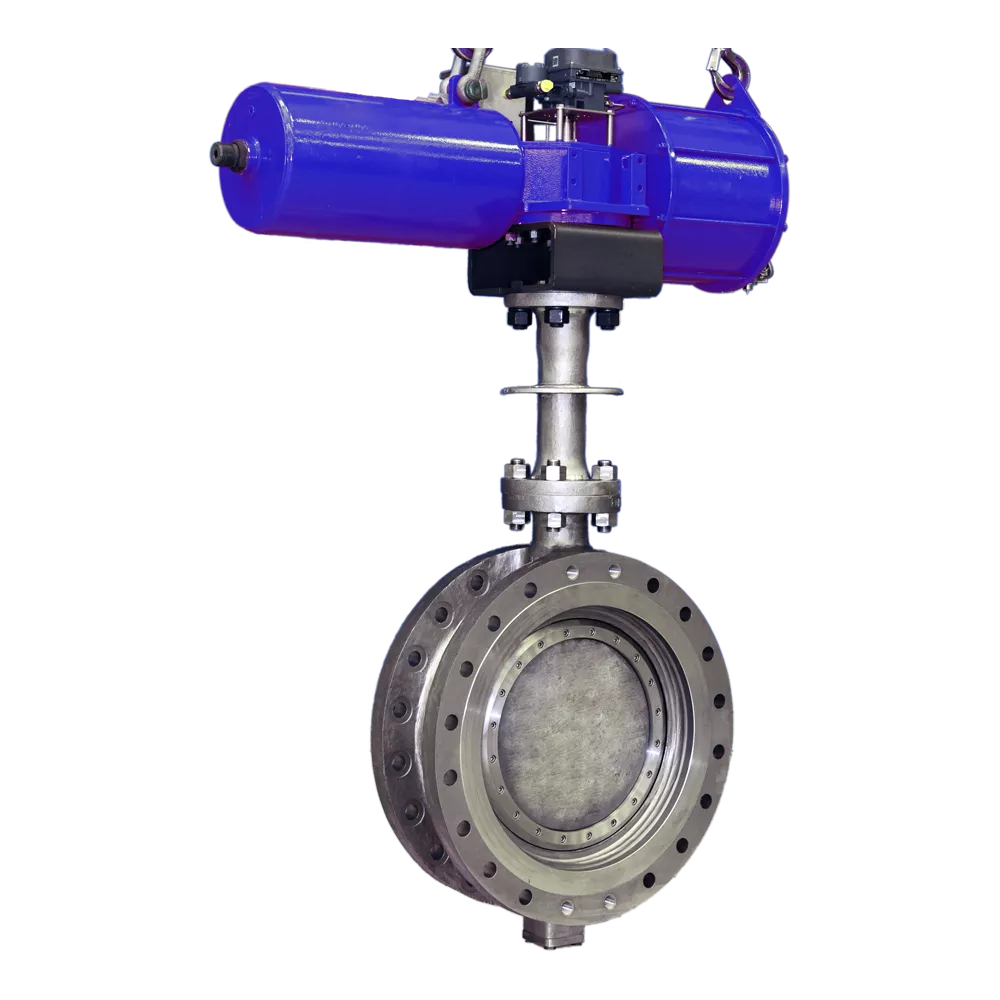
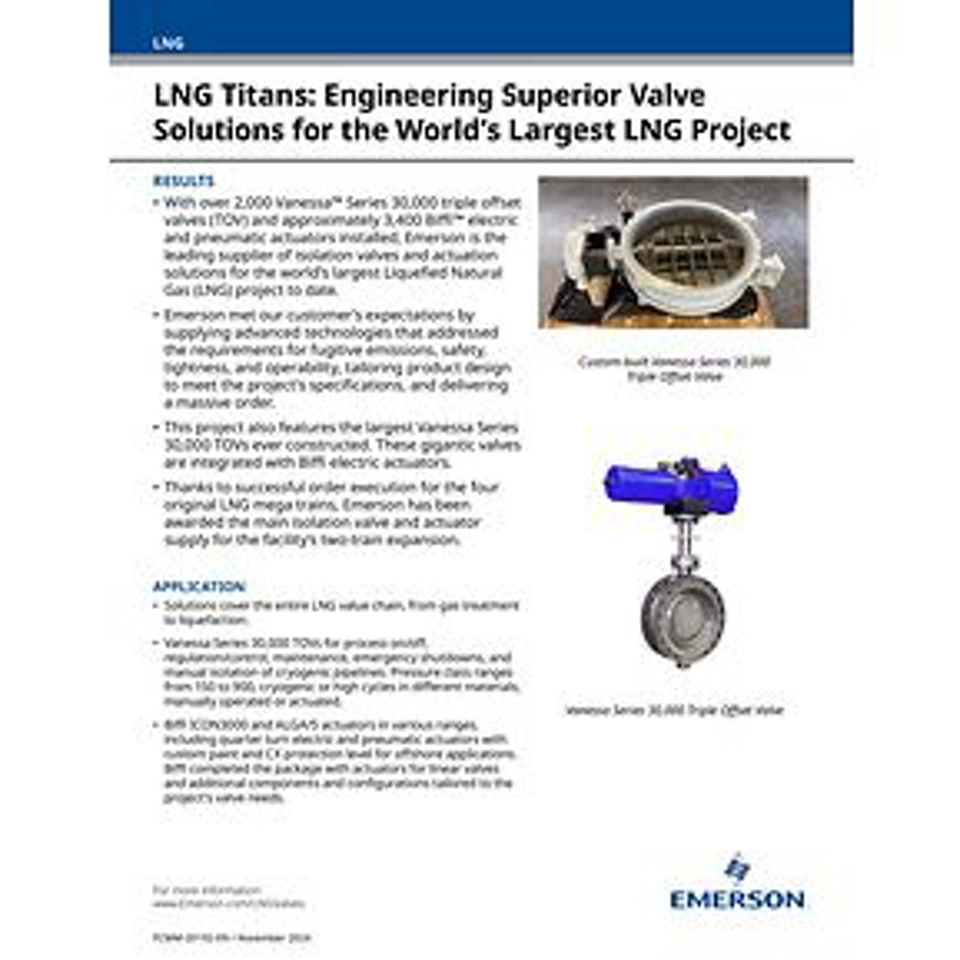
Vannes cryogéniques à triple excentration Vanessa™
Garantir que l’étanchéité, le fonctionnement et la demande de couple de serrage ne sont pas affectés par les conditions cryogéniques et les fortes fluctuations de température.
Vanne de température de GNL Fisher™
Contrôlez la température du GNL sortant de l’échangeur de chaleur principal.
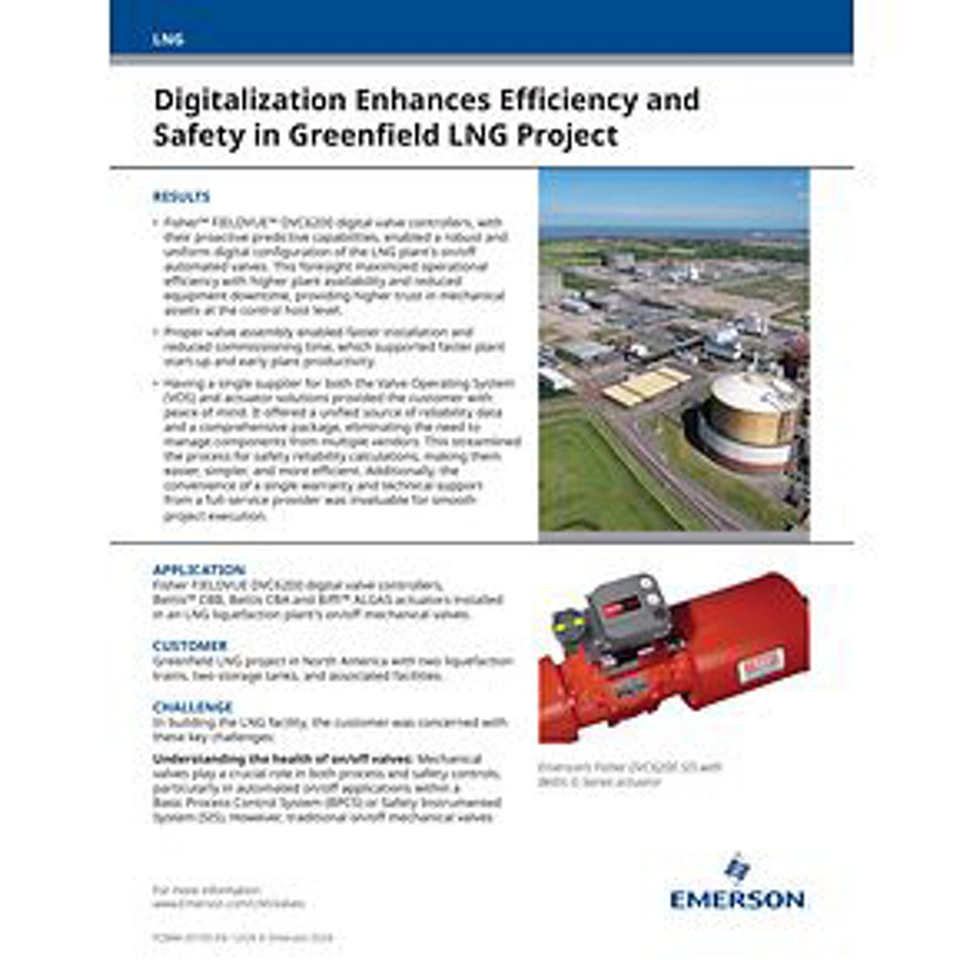
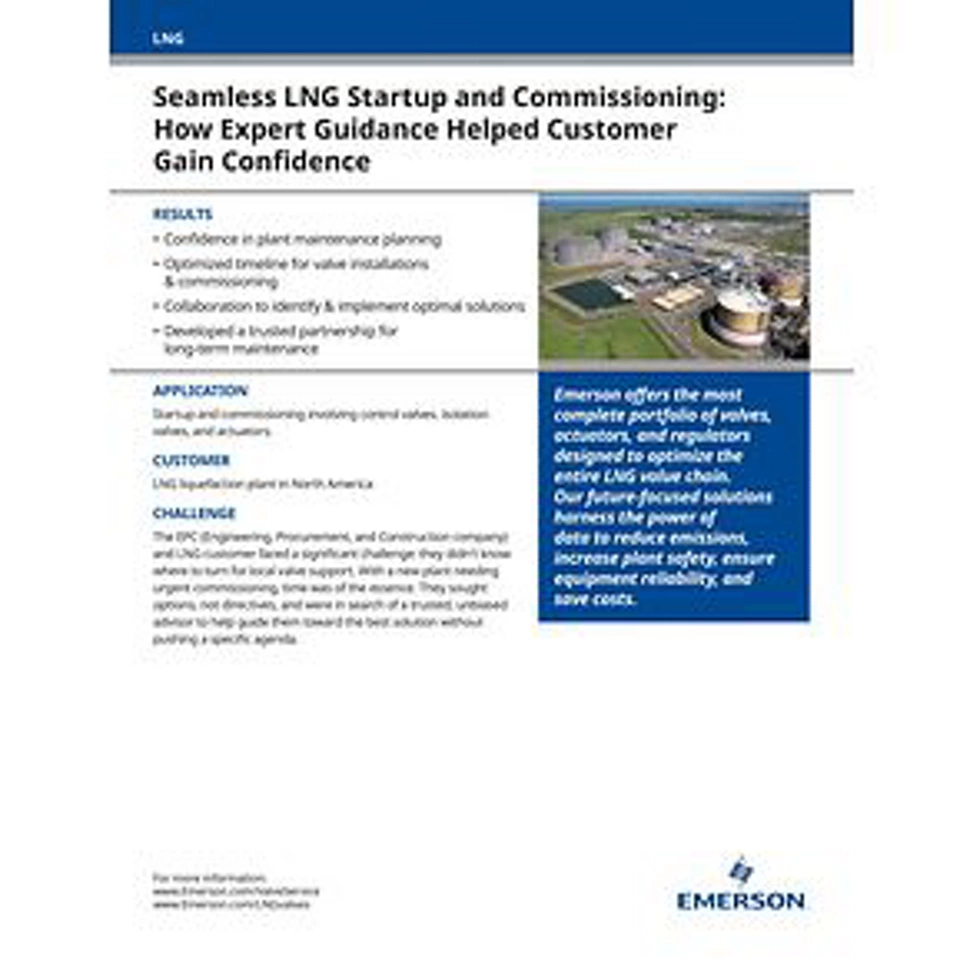
Exemples de réussites concrètes, dont les solutions de vannes pour GNL d’Emerson
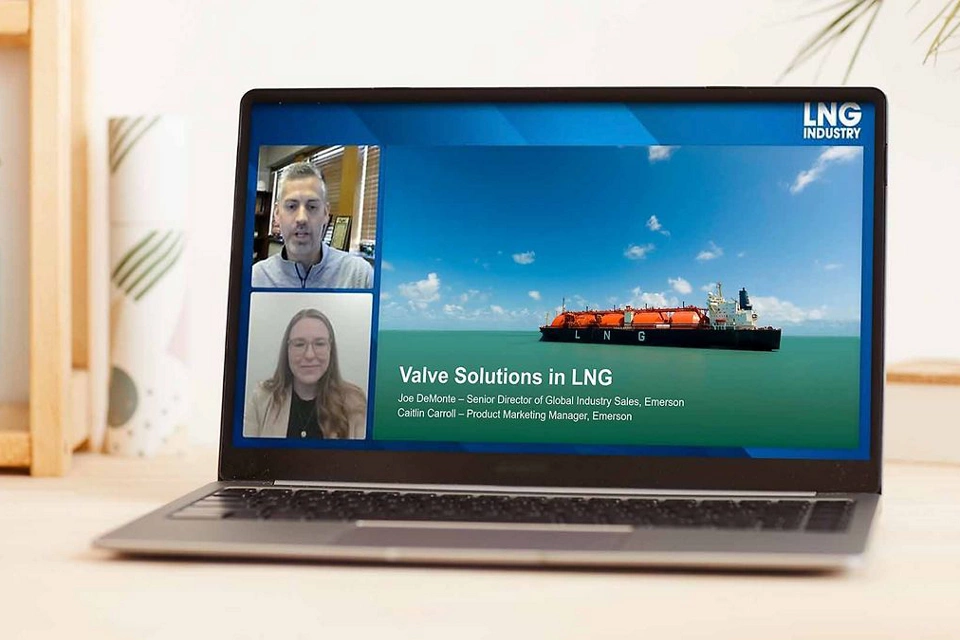
Webinaire

Podcasts

Découvrez nos solutions pour GNL
Foire aux questions sur les vannes GNL
Les vannes GNL sont essentielles pour le maintien de la sécurité dans les usines de GNL, car le gaz naturel liquéfié (méthane, éthane, propane ou butane) est hautement inflammable. Le bon fonctionnement des vannes est essentiel pour éviter les fuites, contrôler la pression, gérer les situations d’urgence et ainsi atténuer les risques de sécurité critiques.
Depuis l’introduction des usines de GNL dans les années 1930, les vannes GNL ont évolué pour traiter des trains de liquéfaction beaucoup plus grands. Les fabricants de vannes se concentrent désormais sur la production de vannes de grande taille, capables de s’adapter à des pressions élevées et de garantir la sécurité des opérations de régulation de la pression, d’isolement et d’urgence afin de répondre à la demande mondiale croissante en GNL.
L’un des principaux défis des fabricants de vannes GNL est le développement de vannes capables de gérer des grandes tailles et des pressions élevées. Ces vannes sont essentielles pour le contrôle du procédé, l’isolement, les opérations d’urgence et la protection des équipements majeurs dans les usines de GNL, où la sécurité est une préoccupation essentielle. Emerson possède une grande expérience dans la production de vannes qui soutiennent l’ensemble du secteur du GNL, y compris les installations de liquéfaction, les transporteurs et les terminaux de regazéification.
Les vannes jouent un rôle essentiel dans l’infrastructure GNL en facilitant l’isolement des équipements pour la maintenance, la mise en marche/l’arrêt des processus, la régulation, le contrôle et les arrêts d’urgence. Le choix et la configuration appropriés de la vanne sont essentiels pour garantir des opérations sûres, durables et rentables. Emerson propose une vaste gamme de vannes manuelles et actionnées pour le GNL, couvrant l’ensemble de la chaîne de production et de la distribution.
Les vannes GNL en configuration on/off peuvent être actionnées à l’aide de systèmes pneumatiques, électriques ou hydrauliques. Ces options d’actionnement permettent de contrôler automatiquement les vannes, garantissant que les procédés de GNL sont efficacement gérés et qu’elles peuvent répondre rapidement aux changements de conditions de fonctionnement.