

What Causes Compressor Surge?
Surge is defined as the operating point at which centrifugal compressor peak head capability and minimum flow limits are reached. When the plenum pressure behind the compressor is higher than the compressor outlet pressure, the fluid tends to reverse or even flow back in the compressor. As a consequence, the plenum pressure will decrease, inlet pressure will increase and the flow reverses again. As a result, the compressor loses the ability to maintain the peak head when a surge occurs and the entire system becomes unstable. Surging can also cause the compressor to overheat to the point at which the maximum allowable temperature of the unit is exceeded or cause damage to the thrust bearing due to the rotor shifting back and forth from the active to the inactive side.
Advantages of Anti-Surge Control Valves
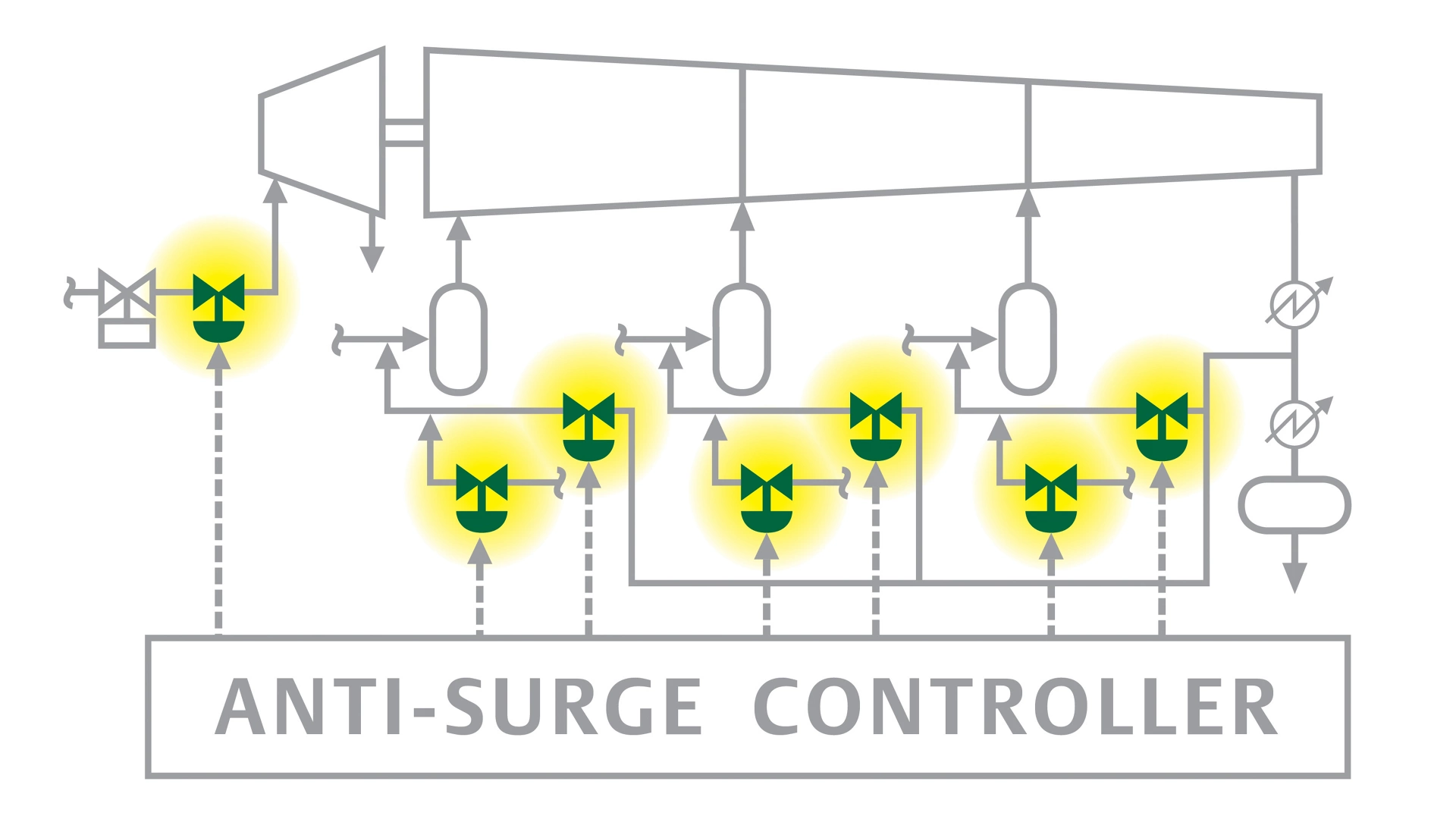
Overview
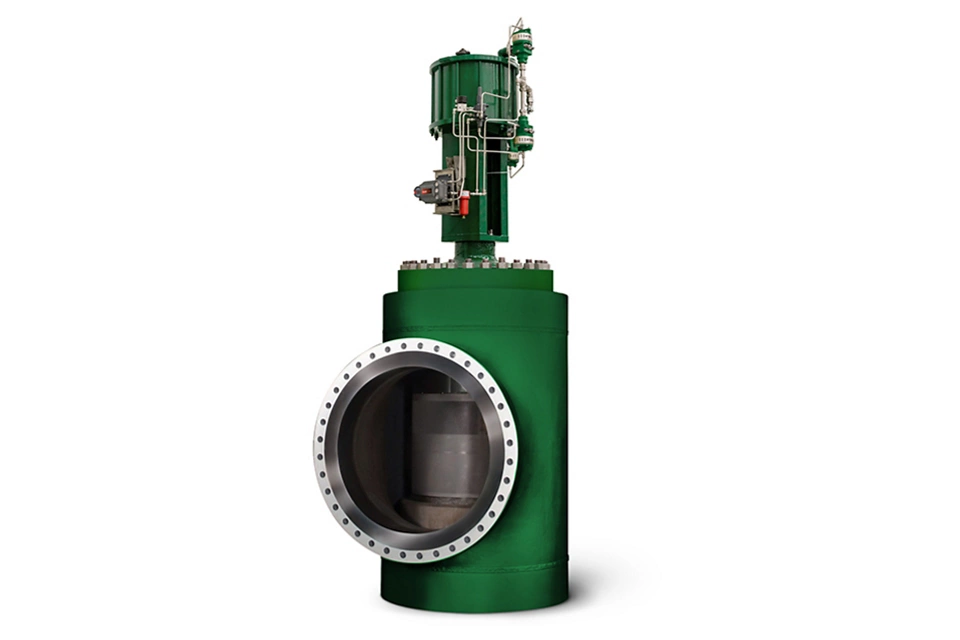
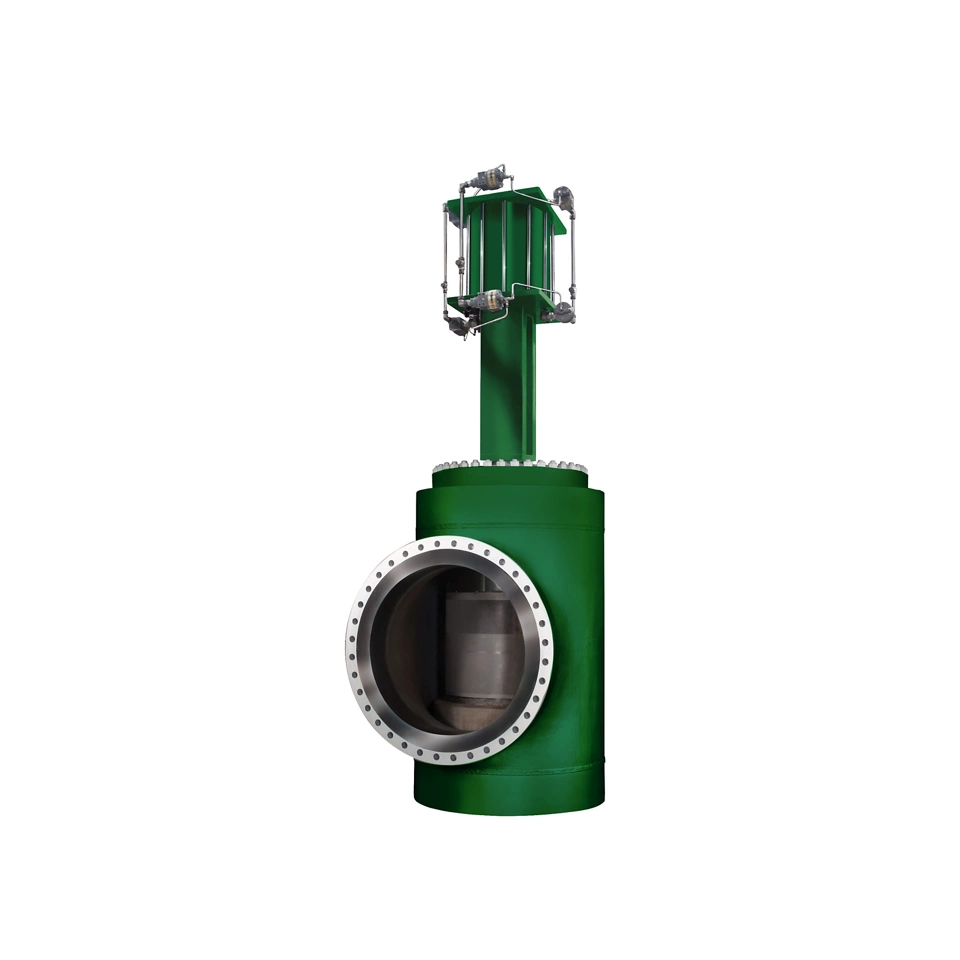
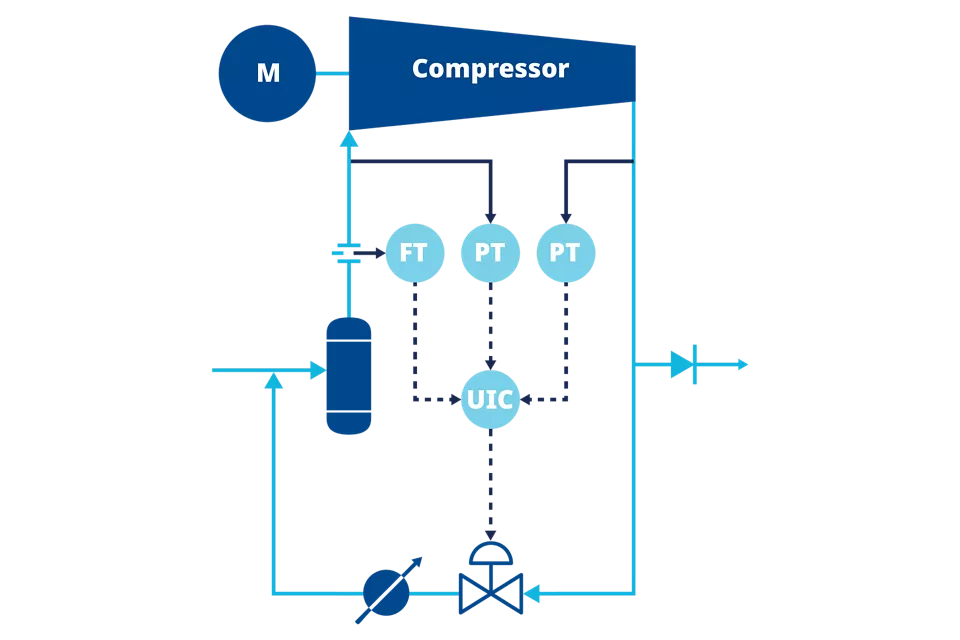
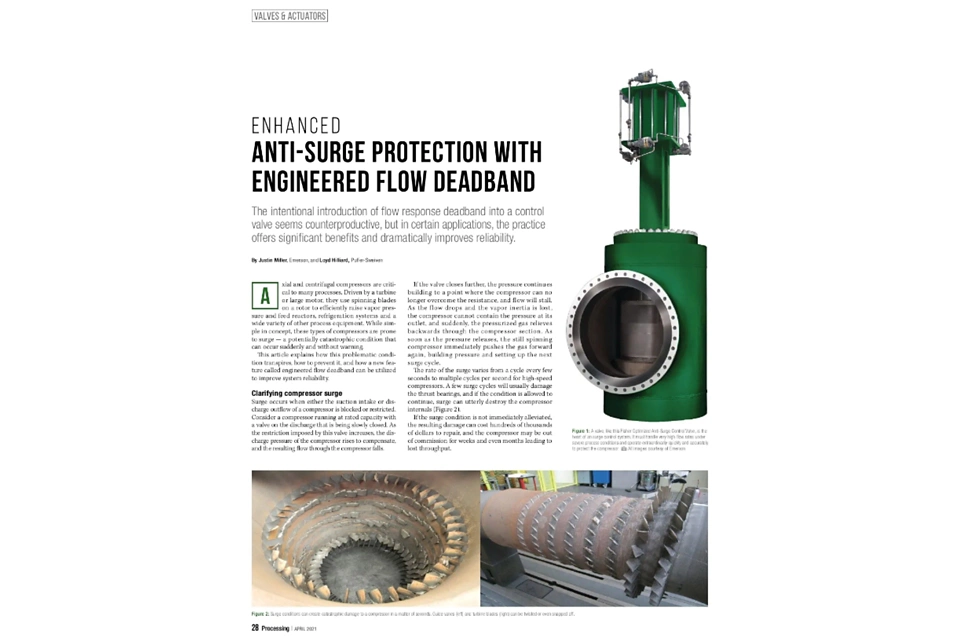
These valves detect when a process compression stage is approaching to surge and subsequently take action to reverse the movement of the operating point towards the surge line. This decreases the plenum pressure and increases the flow through the compressor, resulting in stable working conditions. It is normally achieved by opening a control valve in a recycle line, returning the discharge gas to the inlet of the compressor via a suction cooler. The resulting increase in compressor inlet volume flow moves the operating point away from surge.
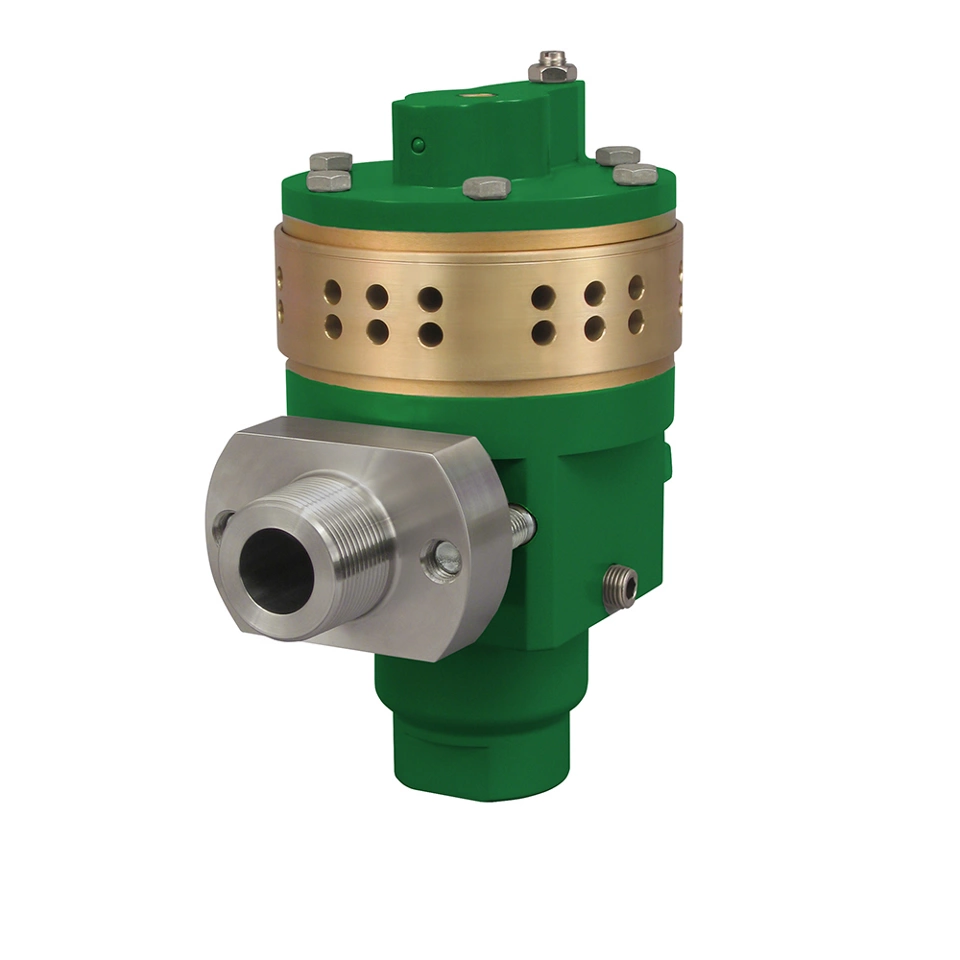
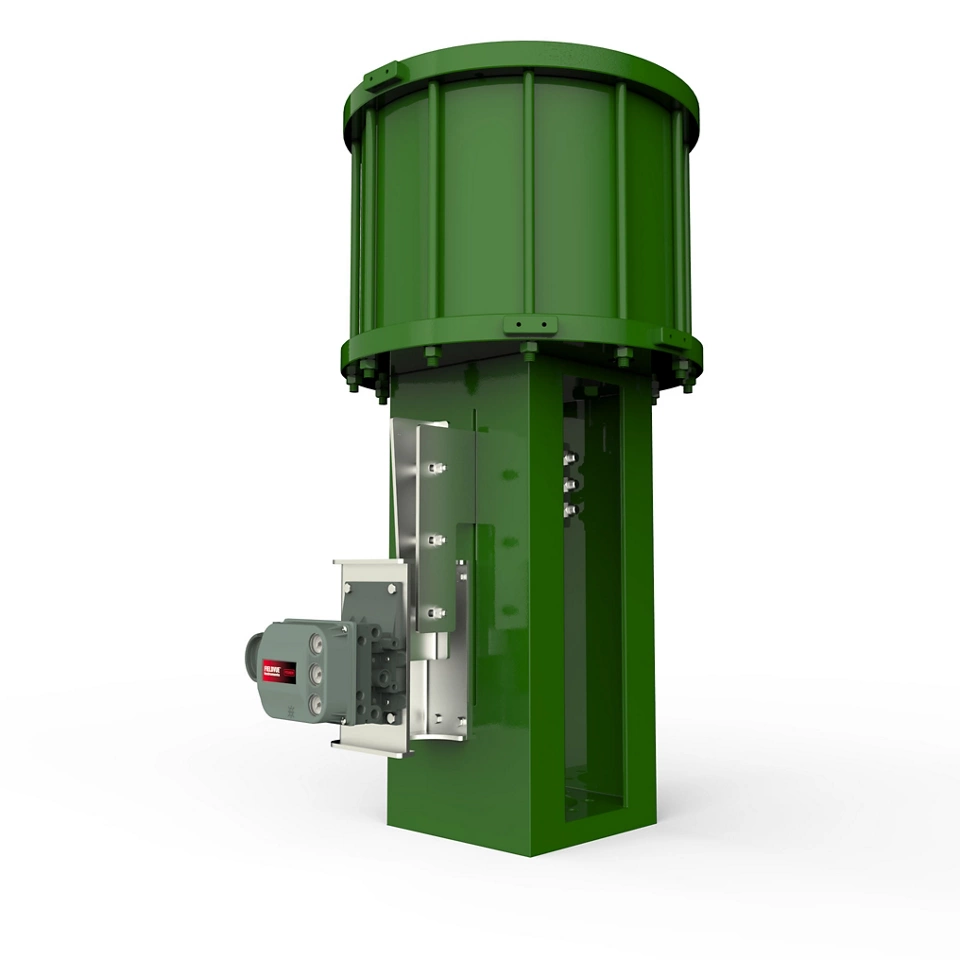
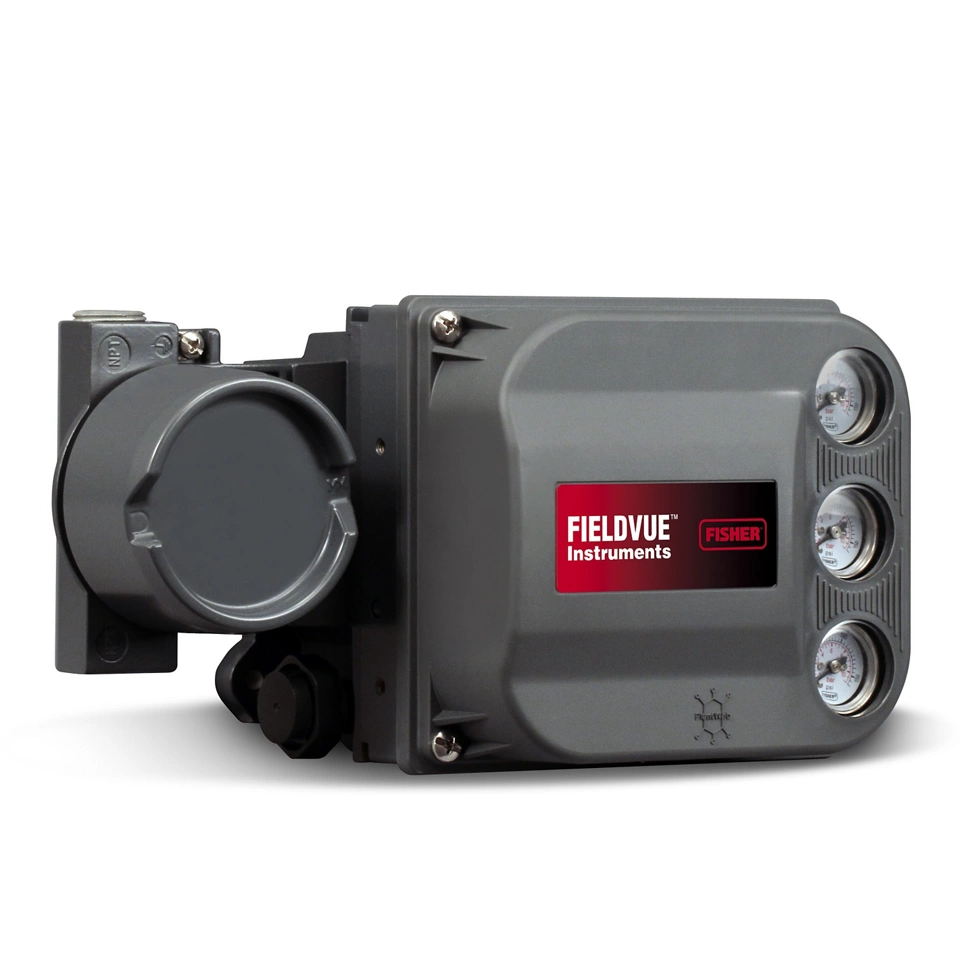
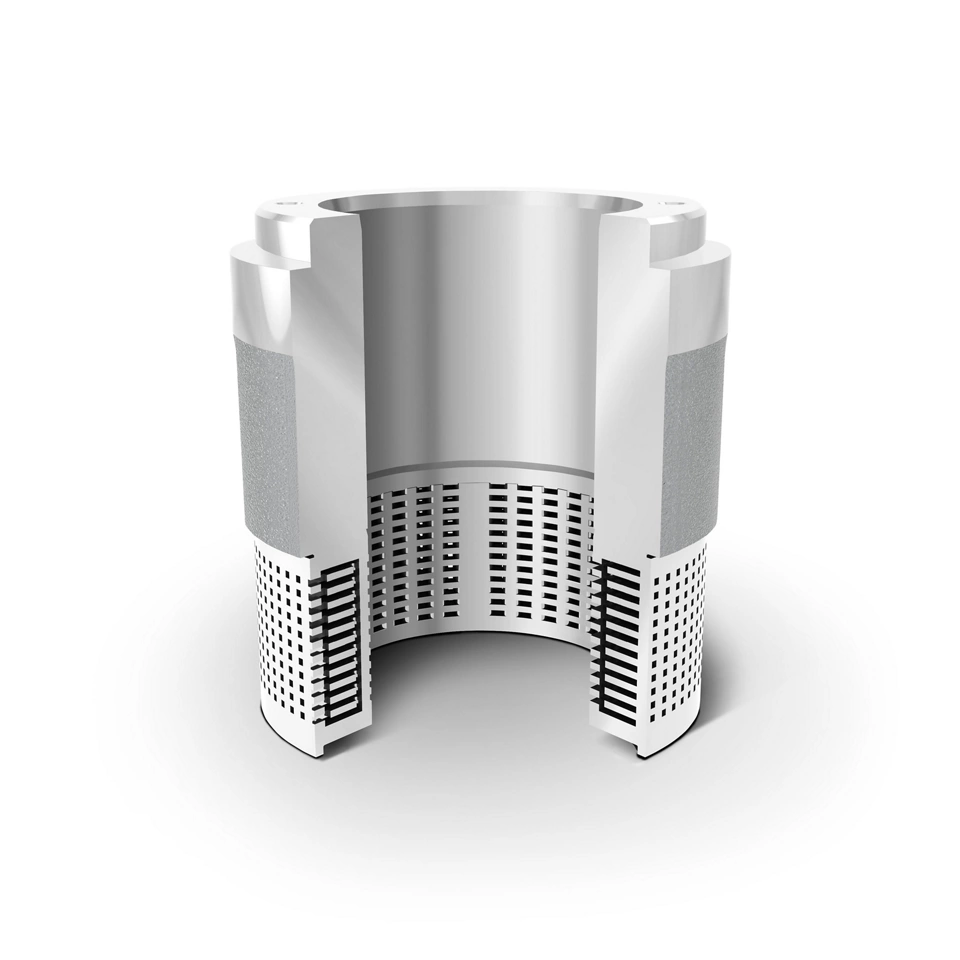
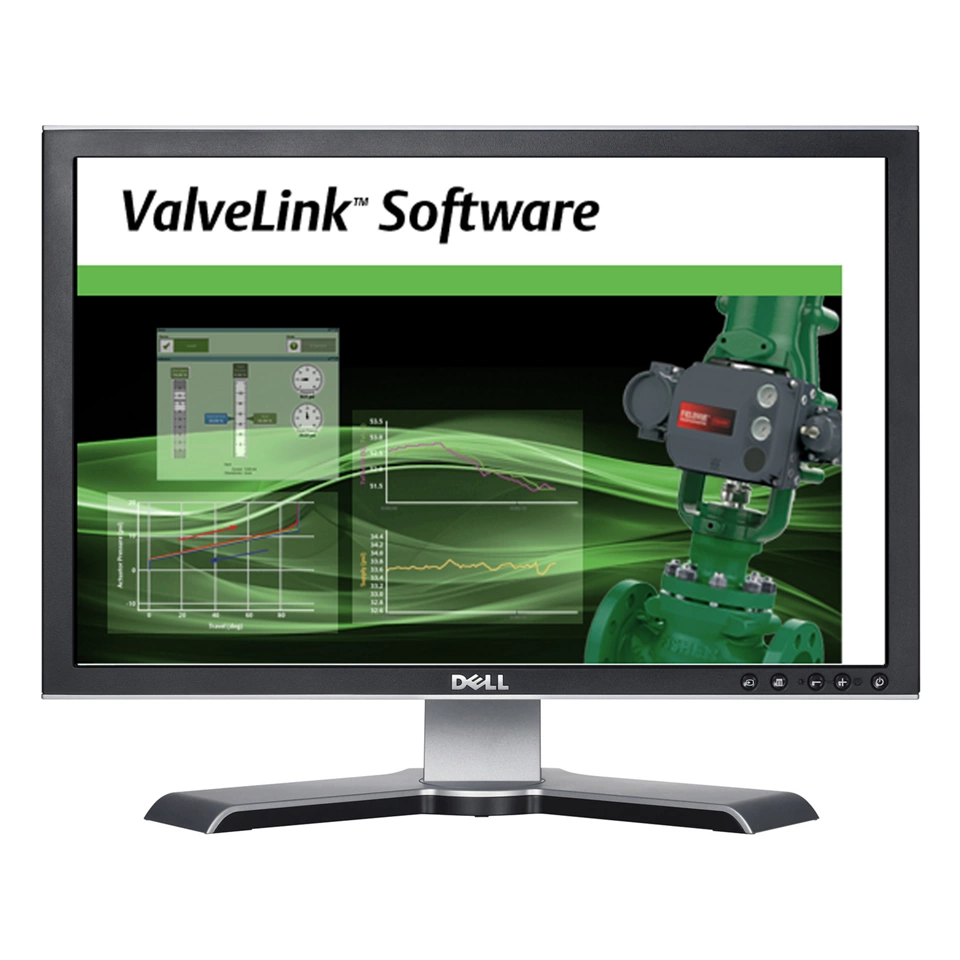
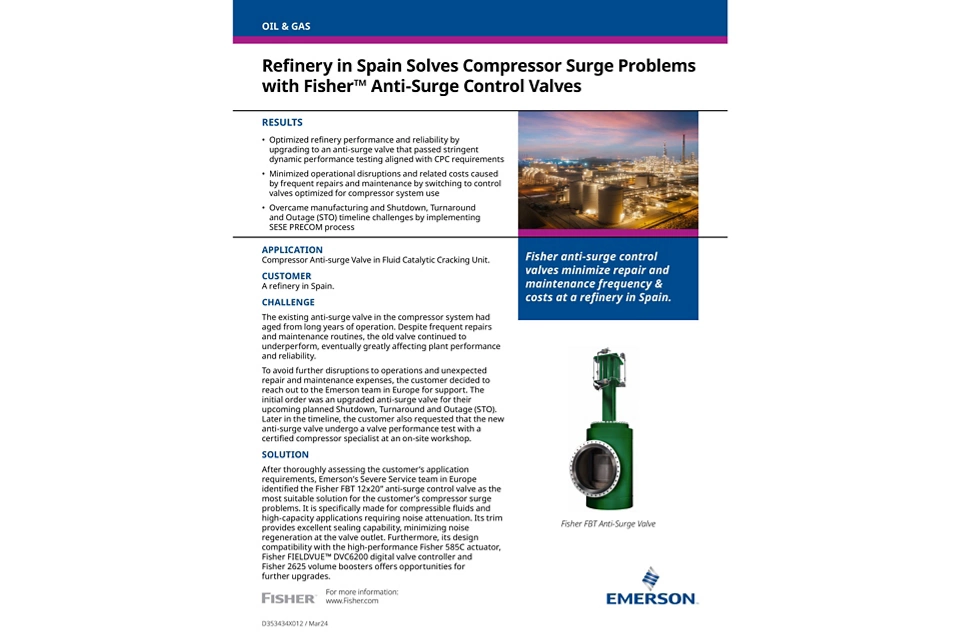
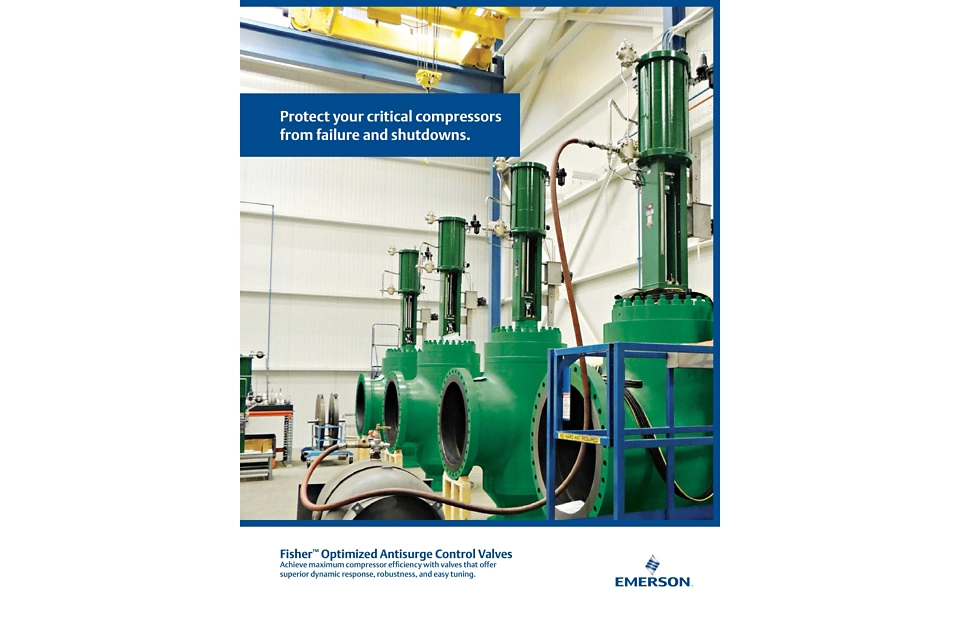
These assemblies are typically made up of a control valve, actuator, digital valve controller, and other accessories, like volume boosters.
Resources
Video

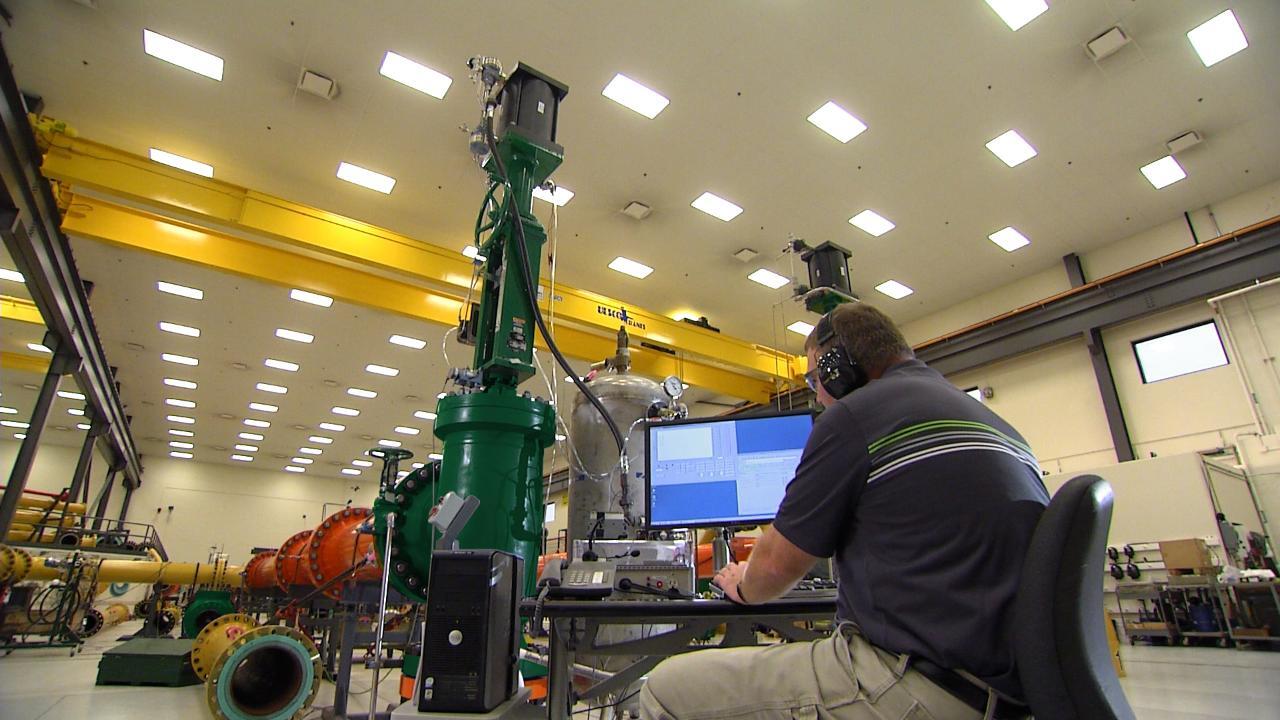
Fisher™ Anti-Surge Valve in Action: Operations & Testing
Fisher™ Anti-Surge Valve in Action: Operations & Testing
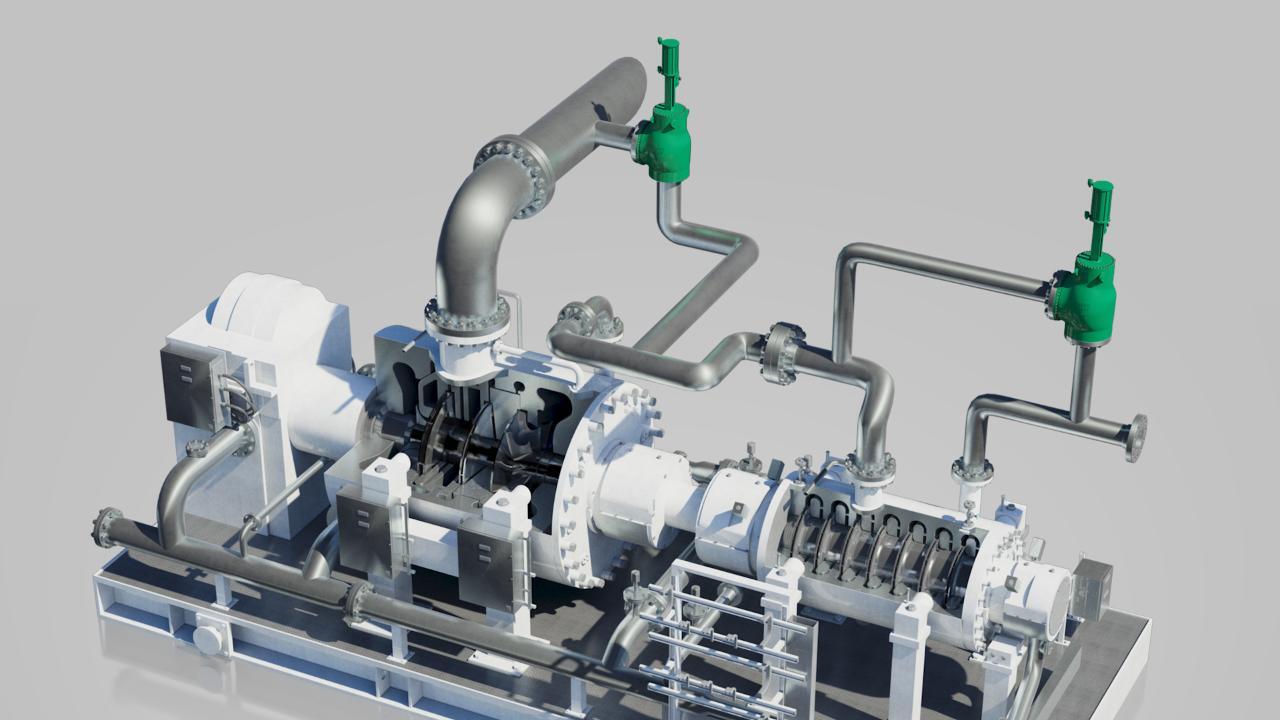
Components of a Fisher Compressor Anti-Surge Control Valve