


Was ist ein Severe Service-Regelventil?
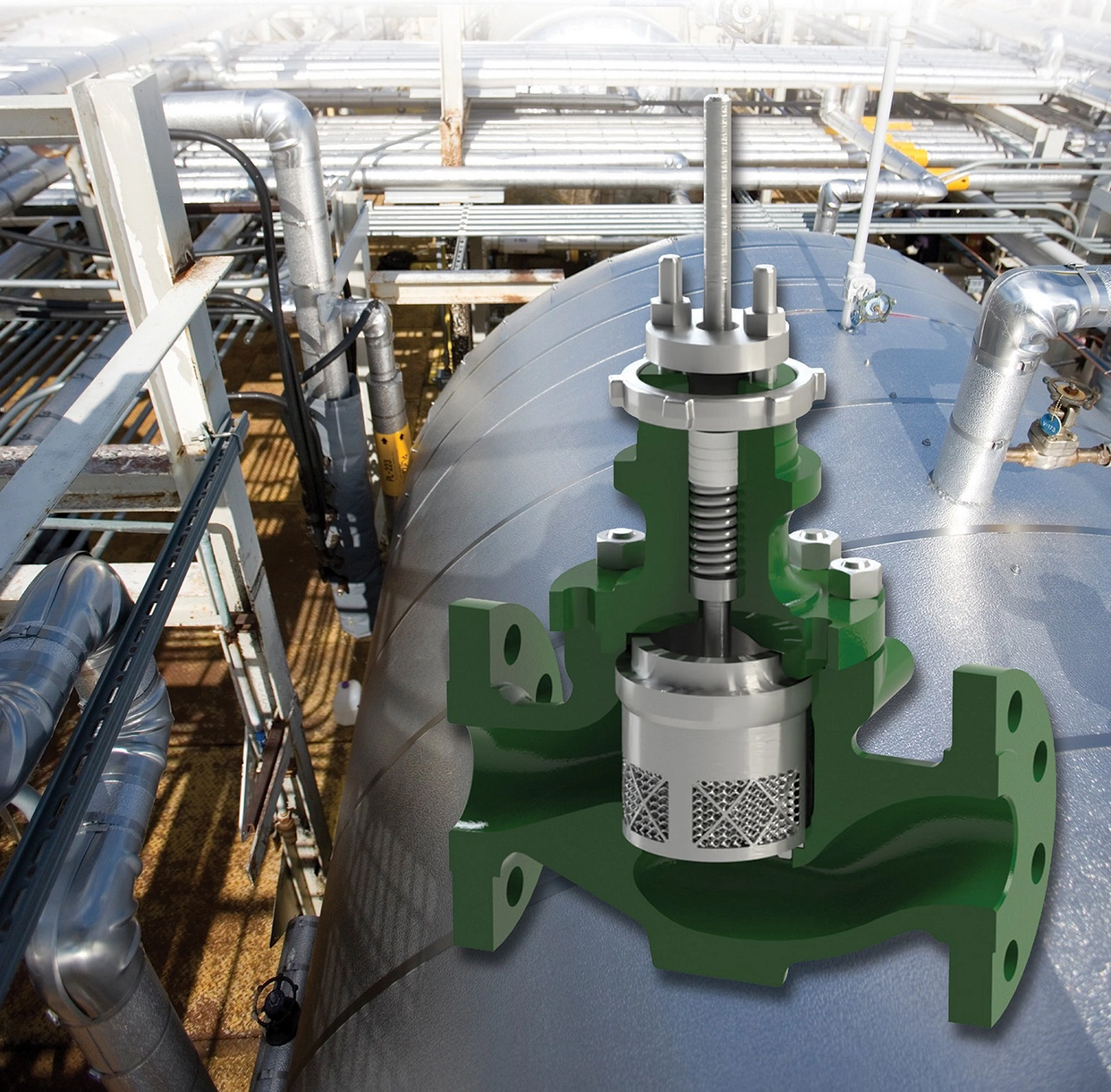
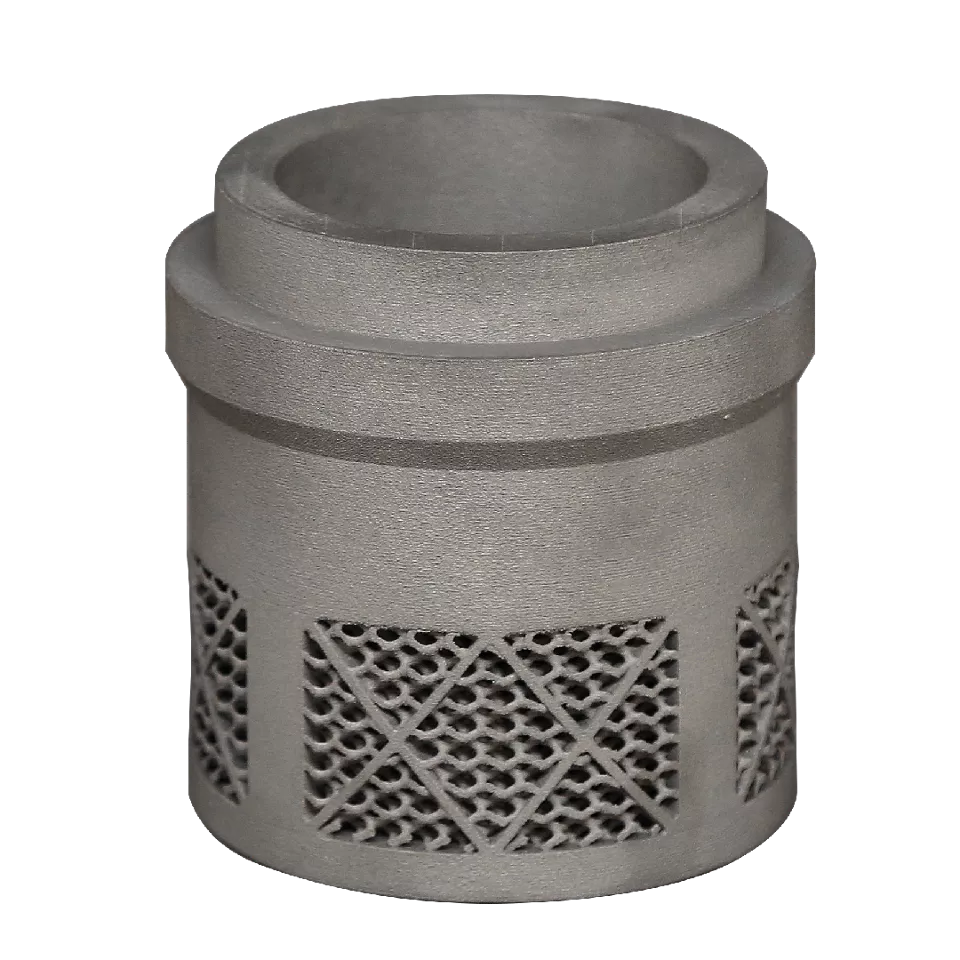
In den schwierigsten Bereichen innerhalb Ihrer Prozessanlage werden Regelventile für raue Umgebungen eingesetzt. Zu diesen Installationen gehören gewöhnlich kavitierende, erosive, korrosive oder geräuschintensive Medien mit hohem Druck, hoher Temperatur, hohem Druckgefälle oder hoher Geschwindigkeit. Um die Langlebigkeit unter diesen rauen Bedingungen zu maximieren, verwenden Severe Service-Regelventile gewöhnlich extrem harte Werkstoffe, Werkstoffe, die Temperatur- und Druckextremen widerstehen, Gehäuse mit speziellen Strömungspfaden, Gehäuse mit einer großen Kapazität und Käfige mit speziellen Durchflusskanälen. Ein Ventil für schwierige Einsatzbedingungen kann ein wichtiges, für den Betrieb der Anlage unerlässliches Ventil sein.

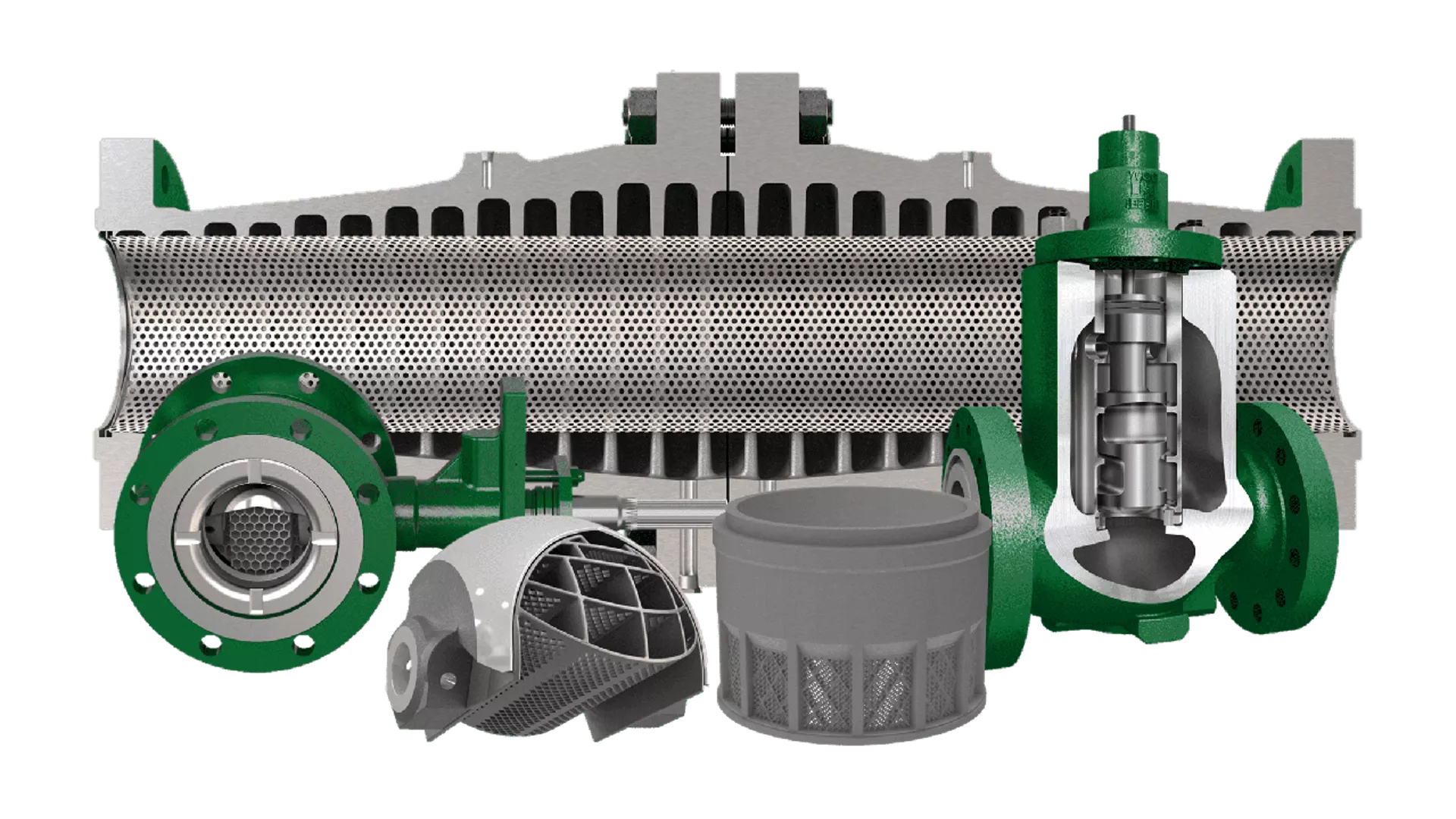
Bandbreite des Produktportfolios
Emerson bietet eine breite Palette an Regelventillösungen, die Ihren Bedarf an Ventilen für schwierige Einsatzbedingungen decken.

Gehen Sie zur Lösung. Go Boldly™
Ändern Sie die Art und Weise, wie Sie mit Ihrem Ventilbestand interagieren, indem Sie diese Produkte einsetzen, die Ihre schwierigsten Anwendungsherausforderungen lösen.
Informationsquellen
Videos zu Regelventilen für schwierige Einsatzbedingungen

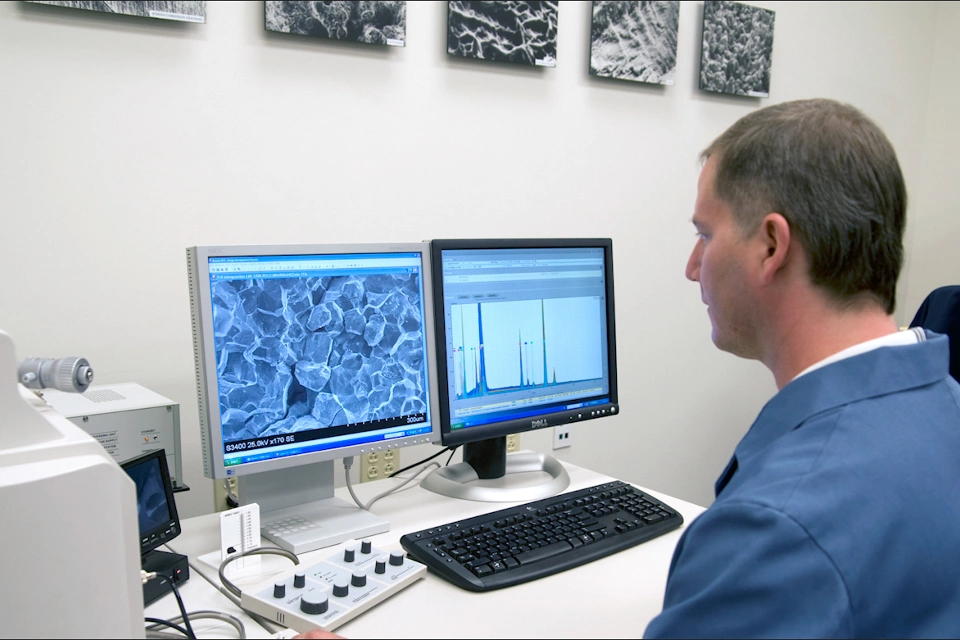

Eine neue Art und Weise der Interaktion von Ventilen mit der Welt
Emerson verfügt über eine Vielzahl neuer innovativer Lösungen, welche weltweit die Art und Weise der Interaktion von Endnutzern mit den Ventilen verändern, die in ihren industriellen Anwendungen installiert sind. Diese Lösungen gliedern sich in vier Hauptbereiche.




Schwierige Einsatzbedingungen
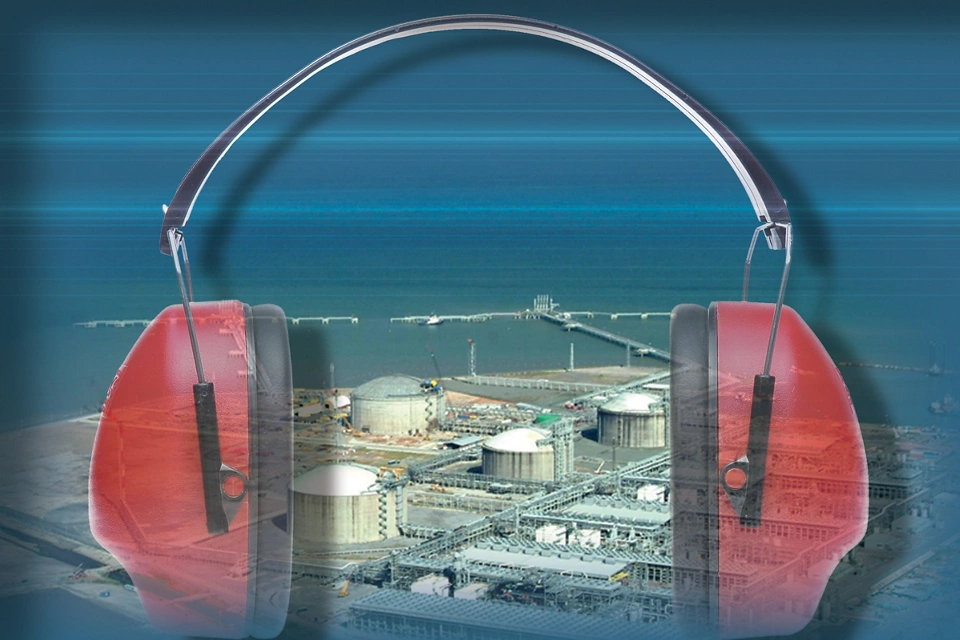
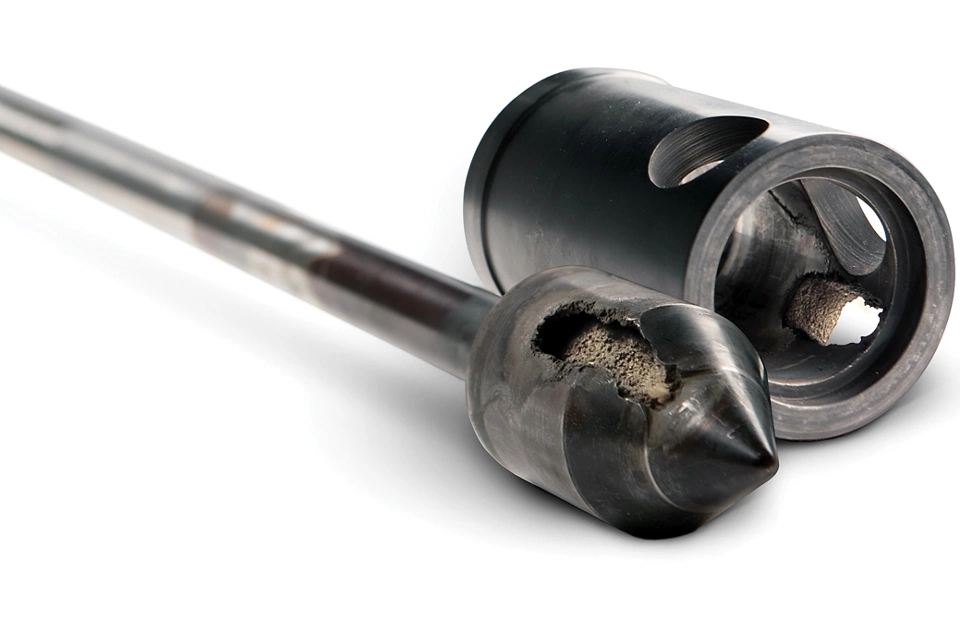
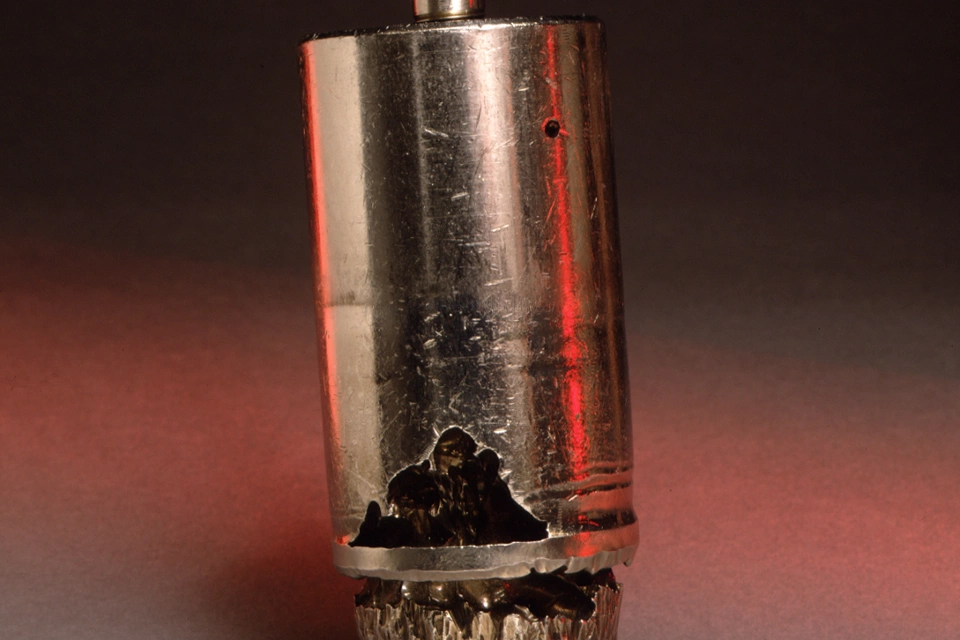

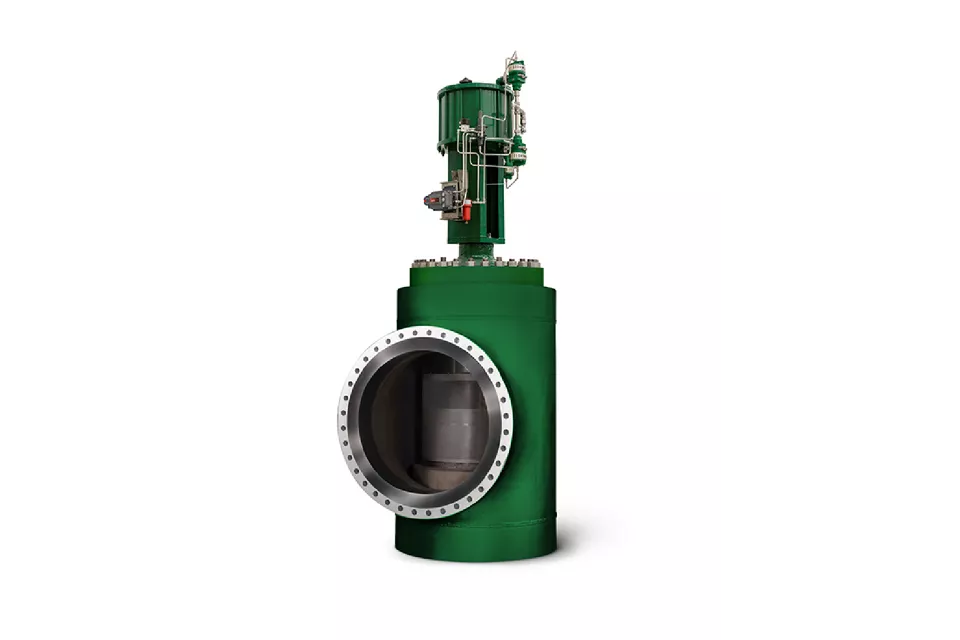
Schwierige Einsatzbedingungen
Industrielle Dampferzeugungs- und gewerbliche Elektrokessel müssen auf einen bestimmten Füllstand mit Wasser gefüllt werden, der dann während des Zündens oder Heizens des Kessels beibehalten werden muss, um Dampf zu erzeugen. Die Anforderungen für den Wasserdurchfluss vor der Dampferzeugung werden durch ein Anfahrventil geregelt. Die Kesselbefüllung, die Aufrechterhaltung des Wasserfüllstands während des Anlaufs und die Übertragung der Lastregelung auf den Kesselspeisewasser-Hauptregler sind Aufgaben des Anfahr-Regelventils. Die anfänglichen Bedingungen erfordern die Kavitations- und Feinstromregelung durch das Anfahrventil über einen großen Bereich von Durchfluss- und Druckbedingungen.
Kesselspeisepumpen geben eine hohe Energie in der Form von Durchfluss und Druck an das zum Kessel geleitete Wasser ab. Kreiselpumpen erfordern einen Mindestdurchfluss, um einen stabilen Betrieb aufrechtzuerhalten und interne Kavitation zu vermeiden. Wenn die Durchflussrate aufgrund der Systembedingungen unter das Minimum der Pumpe abfällt, ermöglicht ein Regelventil den Bypass-Durchfluss vom Pumpenausgang zurück zum System (in der Einlaufstrecke der Pumpe). So wird der Systemdurchfluss gewährleistet und der Pumpenzustand aufrechterhalten. Das Ventil selbst muss so gewählt werden, dass Differenzdrücke (Beispiel: 6 000 psid) geregelt und gleichzeitig Kavitation vermieden wird.
Die Wärmeübertragung im Kesselinneren wird durch auf den Kesseloberflächen abgelagerte Verbrennungsprodukte behindert. Rußbläser verwenden Systemdampf, um diese Materialien von den Oberflächen zu blasen und somit die Effizienz von Kesseln aufrechtzuerhalten. Diese Ventile nutzen Frischdampfquellen und reduzieren den Druck, während sie den Durchfluss regeln, um die primäre Aufgabe auszuführen, ohne schädliche Geräusche oder Schwingungen zu verursachen.
Während des Anfahrens, Abschaltens sowie in Notsituationen wird der normalerweise zu den Turbinen geleitete Dampf über diese Ventile zum Verflüssiger oder in die Atmosphäre um- bzw. abgeleitet. So kann die Leistungsabgabe der Turbinen eingeschränkt und der Dampf recycelt werden. Das Ventil muss Geräusche mindern, einen hohen Durchfluss sowie ein Druckgefälle und große Temperaturdifferenzen tolerieren.
Dieses Ventil recycelt bei Bedarf den Durchfluss durch die primäre Ethan-Pumpe, um Kavitation zu verhindern. Es wird am häufigsten bei der Inbetriebnahme und beim Anfahren eingesetzt, wenn die Einheit auf die volle Kapazität hochgefahren wird. Aufgrund der hohen Differenzdrücke über die Primärpumpe ist fast immer eine Antikavitations-Innengarnitur erforderlich. Um Anforderungen für geringen Durchfluss gerecht zu werden, können auch MicroFlow-Innengarnituren erforderlich sein.
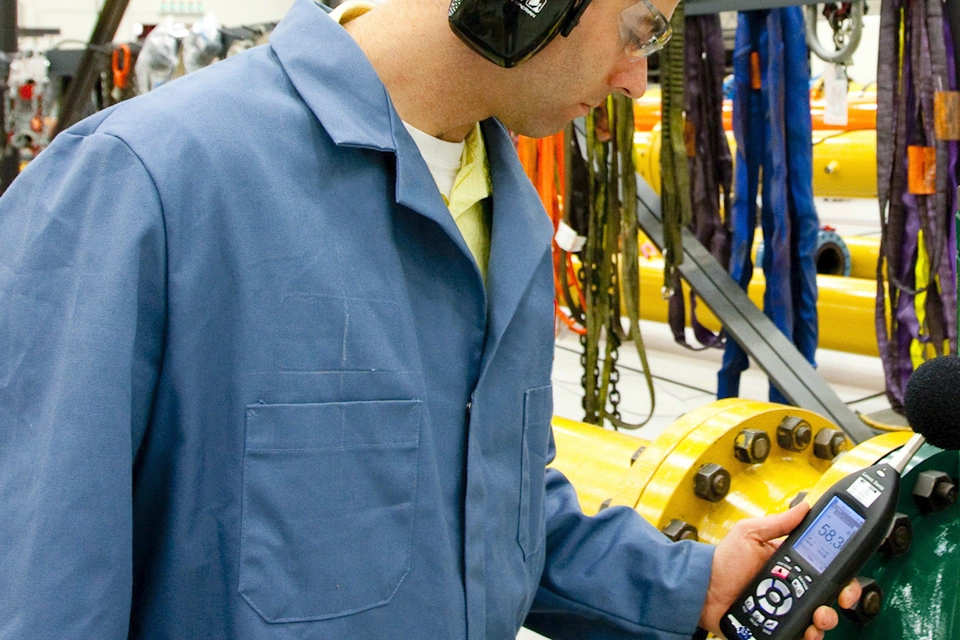
Dieses Ventil ist ein Hochdruck-Sammlerventil für die Entlüftung zur Fackel, das in Notsituationen betätigt wird. Wenn der Druck im Separator über den Sollwert ansteigt, wird er zum Schutz des Separators entlastet. Diese Ventile werden sehr hohen Differenzdrücken ausgesetzt, was hohe aerodynamische Geräuschpegel zur Folge hat. Durchgangsventile mit geräuschmindernden Innengarnituren sind gewöhnlich erforderlich, um Geräusche und potenzielle Schwingungen zu mindern.
Von unseren Experten und der Global User Community



Häufig gestellte Fragen
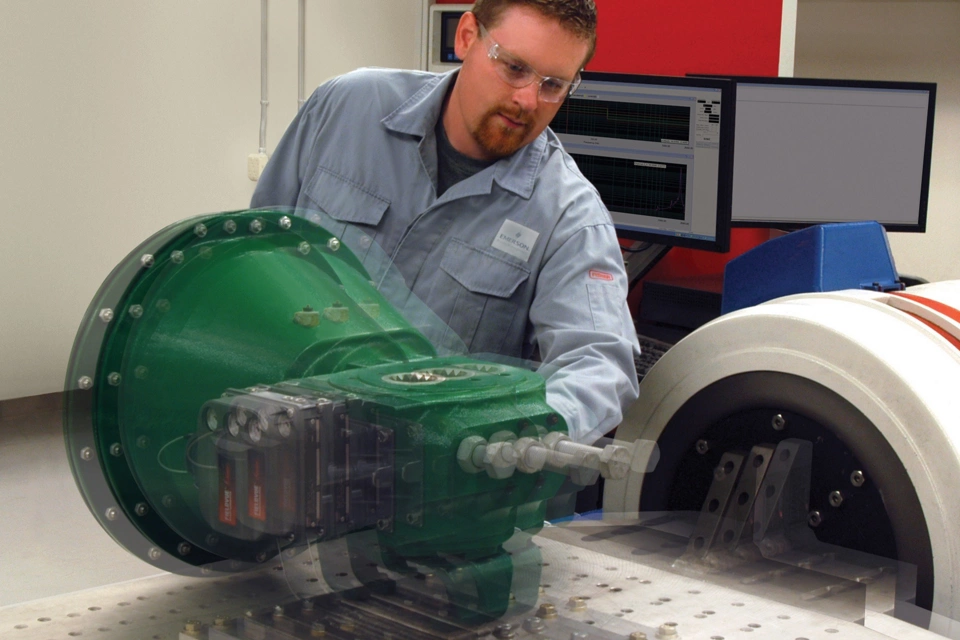
Emerson entwickelt Regelventile für schwierige Einsatzbedingungen anhand umfangreicher Durchflussmodelle, Belastungsberechnungen und Materialanalysen sowie Geräusch- und Zuverlässigkeitstests in seinem hochmodernen Labor für Durchflussmessung.
Ein Regelventil für schwierige Einsatzbedingungen ist für die rauesten Prozessbedingungen ausgelegt, um größere Prozessstörungen oder eine Verringerung der Anlageneffizienz zu vermeiden.